
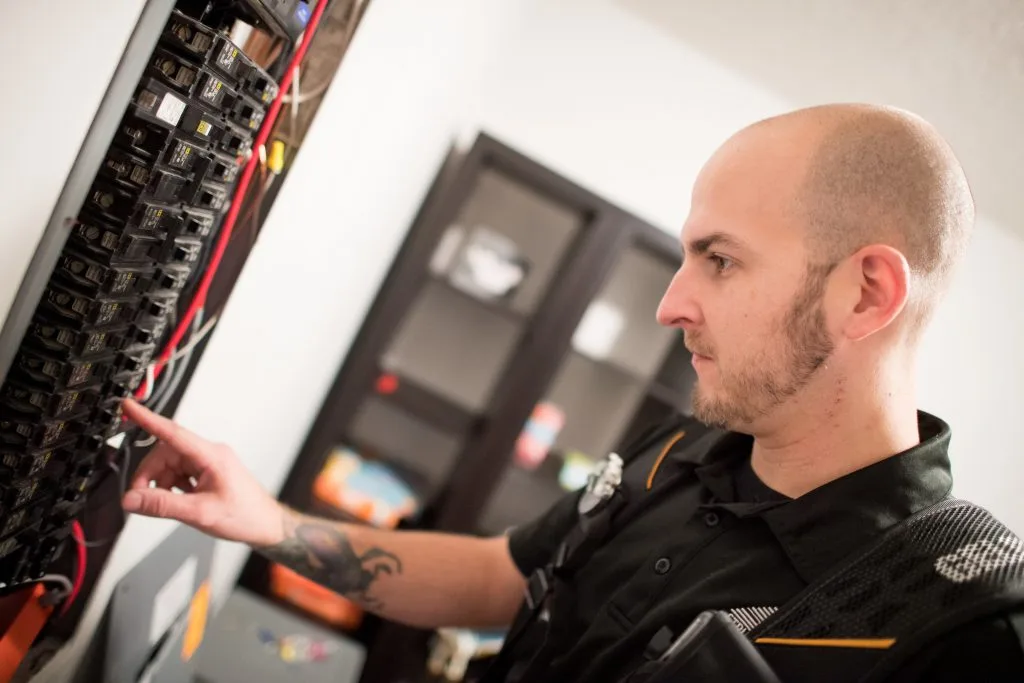
Many homebuyers and sellers believe thermal imaging is a magic tool that finds every hidden defect in a property. The reality is more nuanced. Thermal cameras detect temperature differences that indicate potential problems like moisture intrusion, missing insulation, and electrical hotspots. They cannot see through walls or identify structural damage directly. Understanding what thermal imaging actually reveals helps you make informed decisions during Chicago real estate transactions. This article explains how the technology works, what issues it uncovers, and how it benefits both buyers and sellers in the Chicago market.
Table of Contents
- How Thermal Imaging Works In Home Inspections
- Common Issues Identified Through Thermal Imaging In Chicago Homes
- Thermal Imaging Versus Traditional Visual Inspection: Strengths And Limits
- How Thermal Imaging Benefits Homebuyers And Sellers In Chicago
- Schedule A Thermal Imaging Inspection With Chicago Home Inspect LLC
- Frequently Asked Questions About Thermal Imaging In Home Inspections
Key takeaways
| Point | Details |
|---|---|
| Temperature detection | Thermal imaging identifies heat variations that signal hidden moisture, insulation gaps, and electrical issues |
| Complementary tool | It enhances but does not replace traditional visual inspections for structural assessment |
| Common discoveries | Typical findings include water leaks, missing insulation, overheating circuits, and HVAC inefficiencies |
| Transaction value | Buyers gain negotiation leverage while sellers can address problems before listing |
How thermal imaging works in home inspections
Thermal cameras detect infrared energy that all objects emit based on their temperature. When an inspector scans your home, the camera converts this invisible radiation into visual images where different colors represent temperature ranges. Warmer areas typically appear red or yellow, while cooler zones show as blue or purple. These thermal imaging creates temperature maps revealing hidden issues like moisture and insulation defects that remain invisible during standard walkthroughs.
The technology works because problems create temperature anomalies. Water leaking behind drywall cools the surface through evaporation. Missing insulation allows heat to escape, creating cold spots in winter. Overloaded electrical circuits generate excess heat. A trained inspector interprets these patterns to identify potential issues requiring further investigation.
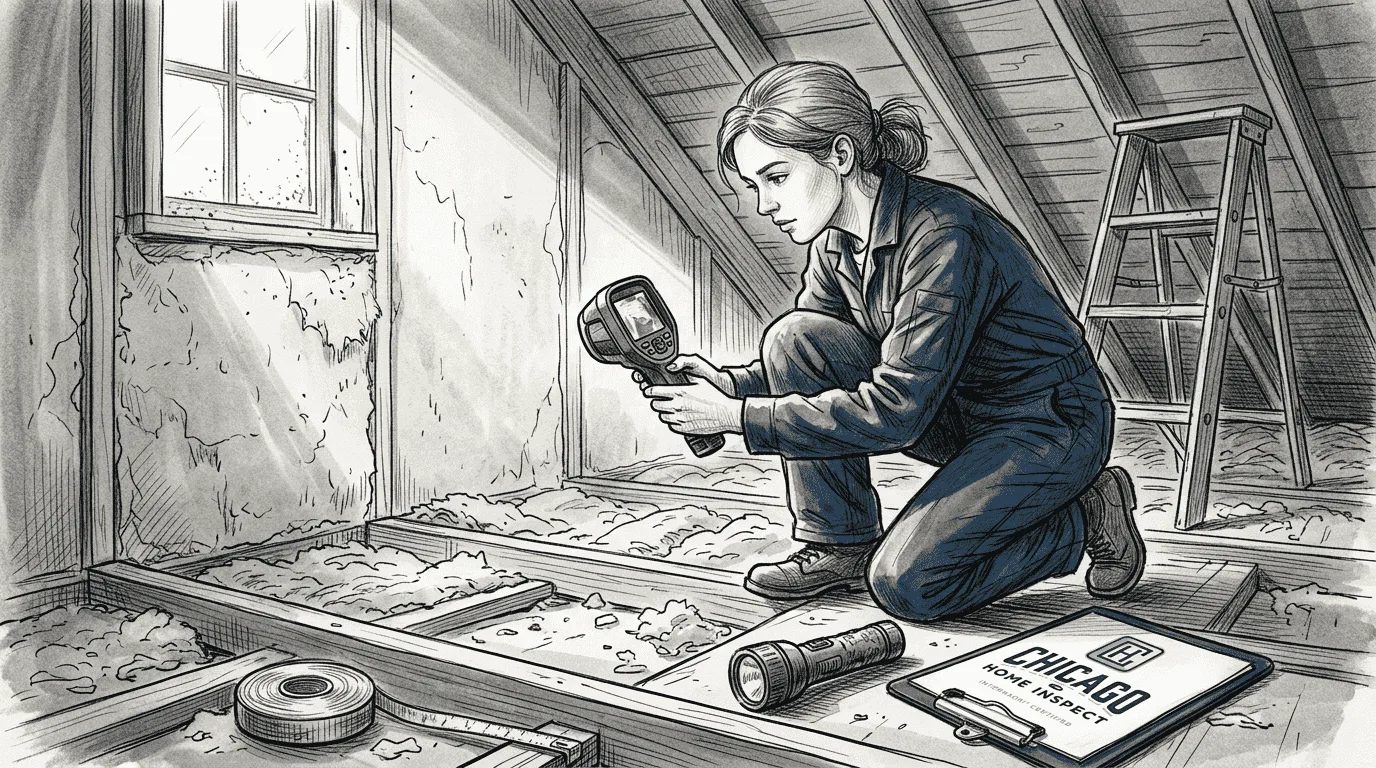
Thermal imaging is completely non-invasive. The inspector never needs to cut into walls or remove materials. They simply point the camera at surfaces and capture thermal data in real time. This approach reveals problems in areas that would otherwise require destructive testing or remain undetected until they cause visible damage.
The accuracy depends heavily on environmental conditions and inspector expertise. Temperature differences must exist for the camera to detect them. A leak that has dried completely may not show up. Similarly, problems hidden behind metal or thick concrete might not create enough surface temperature change to register. Proper interpretation prevents false positives where normal temperature variations get mistaken for defects.
Key capabilities of thermal imaging:
- Detects moisture intrusion from leaks or condensation
- Identifies missing, damaged, or improperly installed insulation
- Reveals overheating electrical components and faulty connections
- Locates air leaks around windows, doors, and building envelope
- Finds HVAC duct leaks and inefficient heating or cooling patterns
Pro Tip: Schedule thermal imaging inspections during temperature extremes when heating or cooling systems run actively. The greater the temperature difference between inside and outside, the easier it becomes to spot insulation gaps and air leaks.
Common issues identified through thermal imaging in Chicago homes
Chicago’s harsh winters and humid summers create conditions where thermal imaging proves especially valuable. The technology excels at finding problems that develop in the region’s older housing stock and newer constructions alike.
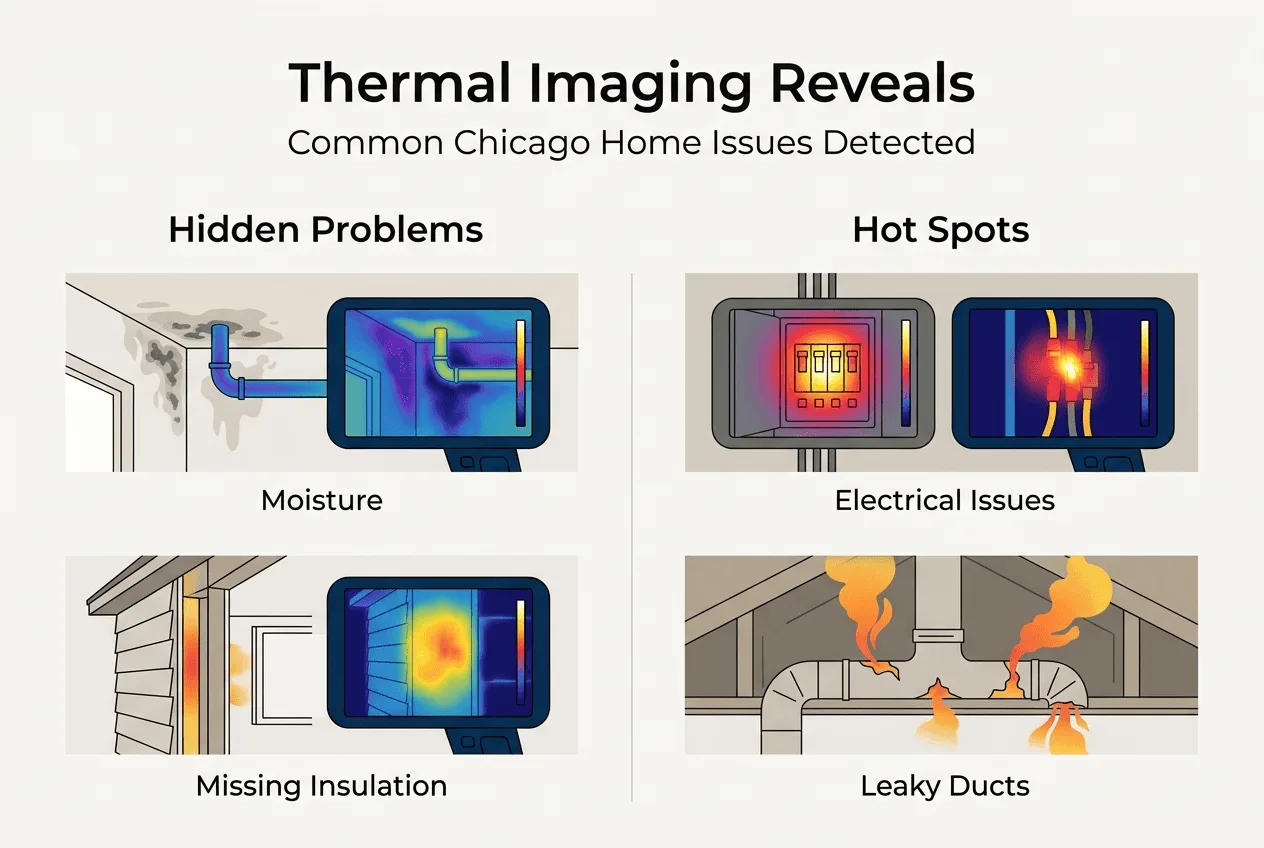
Moisture intrusion appears as cool spots because evaporating water absorbs heat from surrounding materials. Inspectors commonly find moisture intrusion, missing insulation, and electrical faults in Chicago properties. A bathroom leak behind tile or a roof leak inside an exterior wall creates distinct cooling patterns. These discoveries prevent mold growth and structural rot that would cost thousands to remediate if left unaddressed.
Insulation problems show up clearly in thermal scans. Missing batts in exterior walls, compressed insulation that has lost effectiveness, or gaps around electrical boxes all create temperature variations. In Chicago winters, these defects lead to uncomfortable rooms and high heating bills. Thermal imaging pinpoints exactly where insulation needs attention rather than requiring guesswork.
Electrical hazards present as hot spots that signal dangerous conditions. Overheating circuits and electrical hazards appear when connections loosen, circuits overload, or components fail. An inspector scanning a breaker panel might find one circuit running significantly hotter than others, indicating a problem that could cause a fire. Outlets with poor connections also generate detectable heat.
HVAC systems reveal their efficiency through thermal patterns. Ductwork leaking conditioned air into attics or crawl spaces shows temperature changes along the duct path. Supply registers that barely heat or cool rooms point to blockages or disconnected ducts. Return air leaks pulling unconditioned air into the system reduce efficiency and comfort. These HVAC thermal inspection findings help prioritize repairs that improve energy performance.
Common thermal imaging discoveries:
| Issue Type | Thermal Signature | Typical Solution |
|---|---|---|
| Moisture intrusion | Cool spots from evaporation | Locate and repair leak source, dry affected areas |
| Missing insulation | Temperature variations matching wall studs | Add or replace insulation in affected cavities |
| Electrical problems | Hot spots at connections or panels | Tighten connections, upgrade circuits, or replace components |
| HVAC inefficiency | Temperature changes along ducts | Seal leaks, insulate ducts, balance airflow |
| Air leaks | Temperature differences at building envelope | Seal gaps with caulk or weatherstripping |
Pro Tip: Request thermal images in your inspection report. These visual records document conditions at purchase time and help contractors understand exactly where problems exist when you schedule repairs.
Thermal imaging versus traditional visual inspection: strengths and limits
Thermal imaging and visual inspection serve different but complementary purposes. Understanding where each method excels helps you appreciate why professional inspectors use both approaches together.
Visual inspection remains the foundation of home assessment. Inspectors examine physical conditions like cracked foundations, damaged roofing, deteriorated siding, and faulty mechanical systems. They test components, measure clearances, and verify installations meet code requirements. Thermal imaging supplements but cannot replace thorough visual inspections for structural integrity because it only detects temperature differences.
Thermal cameras cannot see through solid materials. They detect surface temperatures influenced by conditions behind those surfaces. A wet wall cavity shows up because moisture affects the drywall temperature. But thermal imaging cannot determine if framing lumber is rotted or if foundation walls have cracks. These structural issues require direct visual examination or invasive testing.
Certain materials and conditions limit thermal imaging effectiveness. Metal reflects infrared energy rather than emitting it based on temperature, creating false readings. Very thick walls or multiple layers of material may not show temperature changes at the surface even when problems exist deeper in the assembly. Sunny days can heat exterior walls unevenly, masking defects with solar gain patterns.
Comparison of inspection methods:
| Aspect | Thermal Imaging | Visual Inspection |
|---|---|---|
| Detection method | Temperature differences | Physical observation |
| Best for finding | Hidden moisture, insulation gaps, electrical heat | Structural damage, visible defects, code violations |
| Limitations | Cannot see through metal or thick barriers | Cannot detect hidden conditions |
| Coverage | Non-invasive surface scanning | Accessible areas only |
The combination delivers comprehensive assessment. Visual inspection identifies obvious problems and verifies proper installation. Thermal imaging reveals hidden issues that would otherwise go unnoticed until they cause visible damage. Together, they provide the complete picture you need for confident real estate decisions.
“Thermal imaging technology has revolutionized how we inspect homes by revealing problems invisible to the naked eye. However, it works best when integrated with traditional inspection methods that assess structural integrity and visible conditions. The most thorough inspections use both approaches to protect buyers and sellers.”
Pro Tip: Ask your inspector to explain any thermal anomalies they find. Not every temperature variation indicates a problem. Experienced inspectors distinguish between normal conditions and genuine defects requiring attention.
How thermal imaging benefits homebuyers and sellers in Chicago
Both sides of real estate transactions gain advantages when thermal imaging is part of the inspection process. The technology provides objective data that supports informed decision making and transparent negotiations.
Homebuyers benefit from early detection of hidden problems. Discovering moisture damage or electrical hazards before closing prevents unexpected repair costs after purchase. Thermal imaging enhances buyer confidence and can be leveraged during negotiation to address hidden defects. You can request repairs, negotiate price reductions, or walk away from properties with serious undisclosed issues.
The detailed documentation helps you budget accurately for homeownership. Knowing you need to add insulation or repair HVAC ductwork allows you to plan expenses rather than facing surprises. Some buyers use thermal imaging findings to negotiate seller concessions that cover repair costs. Others factor the expenses into their offer price.
Sellers gain opportunities to address problems proactively. A pre-listing thermal inspection identifies issues you can fix before listing, presenting your property in the best condition. This approach prevents buyer inspection surprises that derail negotiations or reduce offers. Properties with documented thermal inspections showing no major issues often command premium prices because buyers feel more confident.
Transparency builds trust during transactions. Providing thermal imaging reports upfront demonstrates you have nothing to hide. Buyers appreciate sellers who invest in thorough inspections and make necessary repairs. This good faith effort can differentiate your property in competitive markets.
Steps to maximize thermal imaging benefits:
- Schedule inspections during temperature extremes for clearest results
- Hire InterNACHI certified inspectors trained in thermal imaging interpretation
- Review thermal images with your inspector to understand findings
- Obtain repair estimates for identified issues to inform negotiations
- Use thermal documentation to support inspection objection responses
- Keep thermal imaging reports for future reference and warranty claims
Practical applications by transaction role:
- Buyers should request thermal imaging for older homes or properties with moisture history
- Sellers benefit from pre-listing thermal scans to find and fix problems early
- Both parties can use thermal data to establish fair repair responsibilities
- Thermal reports provide baseline documentation for future maintenance planning
Pro Tip: Choose inspectors who include thermal imaging as a standard service rather than an expensive add-on. Many qualified Chicago inspectors now offer thermal scanning at competitive rates because the technology has become more accessible and clients expect comprehensive assessments.
Schedule a thermal imaging inspection with Chicago Home Inspect LLC
Chicago Home Inspect LLC provides expert thermal imaging as part of comprehensive home inspections throughout Chicago and surrounding suburbs. Our InterNACHI certified inspectors use professional-grade thermal cameras to detect hidden moisture, insulation defects, and electrical hazards that standard inspections might miss. Every inspection includes detailed interior home inspection photos and HVAC home inspection photos with thermal imaging documentation when needed. We deliver easy-to-understand reports that help you make confident decisions about your property. Whether you are buying, selling, or maintaining your Chicago area home, our licensed and insured team provides weekend availability and thorough assessments. View our home inspection sample report to see how we document findings and explain their significance.
Frequently asked questions about thermal imaging in home inspections
What types of problems can thermal imaging detect during a home inspection?
Thermal imaging identifies temperature variations that indicate moisture intrusion, missing or damaged insulation, overheating electrical components, air leaks, and HVAC inefficiencies. It reveals these hidden issues by detecting the temperature differences they create on surface materials. The technology works best for problems that generate heat or cooling patterns distinguishable from normal conditions.
Does thermal imaging replace the need for a full visual home inspection?
No, thermal imaging complements but does not replace visual inspection. Visual assessment remains essential for identifying structural damage, code violations, and physical defects that do not create temperature anomalies. The most thorough inspections combine both methods to provide comprehensive property evaluation covering visible conditions and hidden issues.
How accurate is thermal imaging in finding hidden moisture or electrical issues?
Thermal imaging accuracy depends on environmental conditions, equipment quality, and inspector expertise. Active moisture creating evaporative cooling shows clearly, but dried leaks may not register. Electrical problems generating heat are readily detected. Proper interpretation by trained inspectors prevents false positives and ensures genuine issues receive appropriate attention.
Should I expect extra costs for thermal imaging during my home inspection?
Many Chicago inspectors now include basic thermal scanning as a standard service without additional fees. Some charge modest supplements for extensive thermal imaging or detailed thermal reports. Ask about pricing when scheduling to understand what your inspection includes. The investment typically pays for itself by revealing problems that would cost far more to repair if discovered later.
How do I choose a qualified inspector to perform thermal imaging?
Select certified home inspectors with InterNACHI credentials and specific thermal imaging training. Ask about their experience using thermal cameras and request sample reports showing thermal documentation. Qualified inspectors explain findings clearly, distinguish between normal variations and genuine defects, and provide actionable recommendations based on thermal imaging discoveries.