
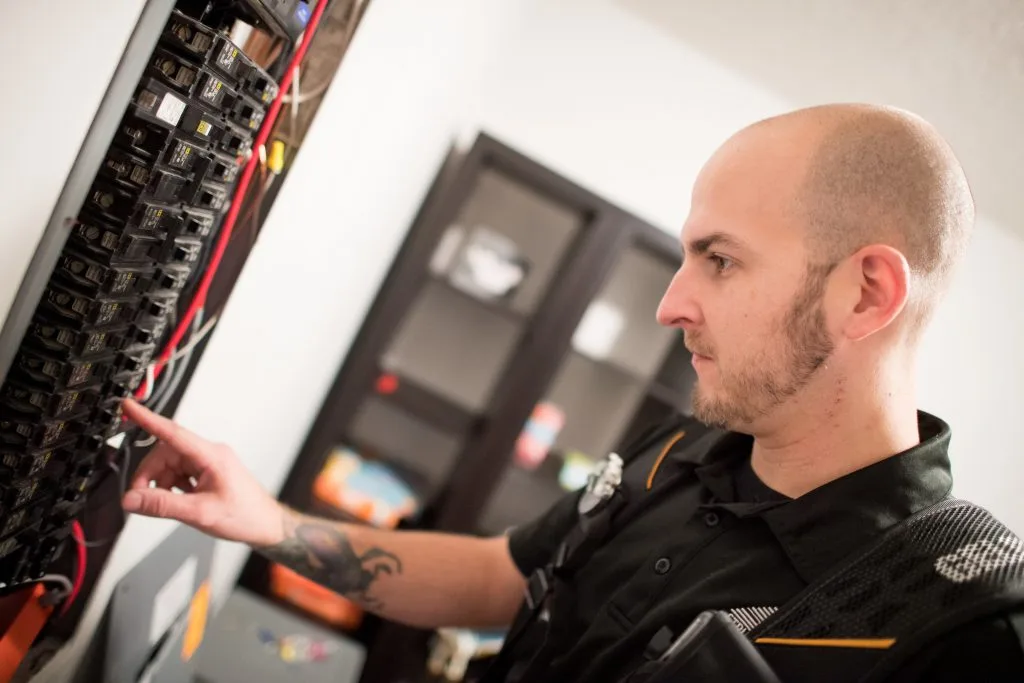
If you’re buying a home in Chicago—whether it’s your first or your fifth—there’s one question nearly every buyer asks: What exactly does a home inspector check? It’s a fair question, especially when you’re making one of the biggest investments of your life.
In this post, we’ll break down what home inspectors actually look for, how the process works, and why it matters—especially in a city like Chicago where weather and age can take a toll on properties.
The Goal of a Home Inspection
A home inspection is a visual, non-invasive assessment of a property’s condition. The goal is to identify safety concerns, material defects, or systems nearing the end of their lifespan. A good home inspection helps you understand what you’re getting into before you close the deal.
Home inspectors do not pass or fail a house. Instead, they document findings in a detailed report—often with photos—and explain what may need repair, monitoring, or further evaluation.
What Areas Are Inspected?
Professional Chicago home inspectors typically evaluate the following areas:
1. Roof
- Condition of shingles or flat roof material
- Flashing, gutters, and downspouts
- Chimney and roof penetrations
2. Exterior
- Siding, windows, and doors
- Grading and drainage
- Walkways, porches, decks, and stairs
3. Foundation & Structure
- Visible cracks or settlement
- Support beams and floor joists
- Signs of moisture or shifting
4. Interior
- Walls, ceilings, and floors
- Doors and windows (operation and sealing)
- Stairs and railings
5. Plumbing
- Water supply and drainage
- Water heater condition
- Visible leaks or corrosion
6. Electrical
- Service panel and breakers
- Outlet testing and GFCI function
- Exposed or outdated wiring
7. HVAC
- Furnace and AC functionality
- Filter condition and maintenance
- Age and estimated lifespan
8. Attic & Insulation
- Ventilation and moisture control
- Insulation coverage
- Roof framing integrity
9. Basement or Crawl Space
- Signs of water intrusion
- Structural supports
- Sump pump (if present)
What’s Not Included?
There are limits to what inspectors can access or evaluate. Home inspectors typically don’t:
- Move furniture or stored items
- Open walls or ceilings
- Test for mold, asbestos, or radon (unless specifically requested)
- Guarantee future performance of any system
That said, many inspectors offer add-on services like radon testing, sewer scope inspections, or thermal imaging (which we provide at Chicago Home Inspect LLC).
Why This Matters for Chicago Buyers
Chicago homes range from historic greystones to brand-new condos, each with their own quirks. Climate factors like freeze-thaw cycles, heavy rains, and lake-effect snow can speed up wear and tear. That’s why working with experienced local home inspectors in Chicago matters—they know what to look for in this unique housing market.
A solid inspection gives you clarity: What’s normal wear, what’s a red flag, and what can be negotiated before closing.
Final Thoughts
A home inspection isn’t just a box to check—it’s a crucial step in protecting your investment. Understanding what inspectors actually look for can help you prepare for what’s next, avoid unexpected costs, and move forward with confidence.
Looking for trusted inspection services in Chicago? We’ve got your back. Schedule your inspection today with Chicago Home Inspect LLC.