
Sewer line repairs in Chicago can easily exceed $10,000, yet many homebuyers skip sewer scope inspections during their purchase process. This oversight often leads to devastating financial surprises within months of closing. The confusion stems from uncertainty about when these inspections truly justify their cost versus when they’re unnecessary. This guide clarifies exactly when sewer scope inspections deliver genuine value for Chicago homeowners and buyers.
Table of Contents
- Understanding Sewer Scope Inspections And Their Value In Chicago
- When Is A Sewer Scope Inspection Worth It For Chicago Homeowners And Buyers?
- Common Sewer Issues Found In Chicago Homes And How Inspections Detect Them
- Practical Advice For Chicago Homeowners: Applying Sewer Scope Inspections For Maintenance And Buying Decisions
- Choose Chicago Home Inspect LLC For Expert Sewer Scope Inspections
- Should You Get A Sewer Scope In Chicago? When Is It Worth It? – Frequently Asked Questions
Key takeaways
| Point | Details |
|---|---|
| Early detection saves money | Sewer scope inspections identify underground sewage problems before they escalate into expensive emergencies |
| Chicago costs amplify risks | Higher labor and material expenses in Chicago make undetected sewer issues more financially devastating |
| Age matters most | Homes built over 20 years ago benefit significantly from sewer inspections due to aging infrastructure |
| Camera technology reveals all | Sewer cameras accurately diagnose root intrusion, blockages, cracks, corrosion, and structural defects |
| Smart buying decisions | Inspection results inform negotiations and prevent costly post-purchase surprises for homebuyers |
Understanding sewer scope inspections and their value in Chicago
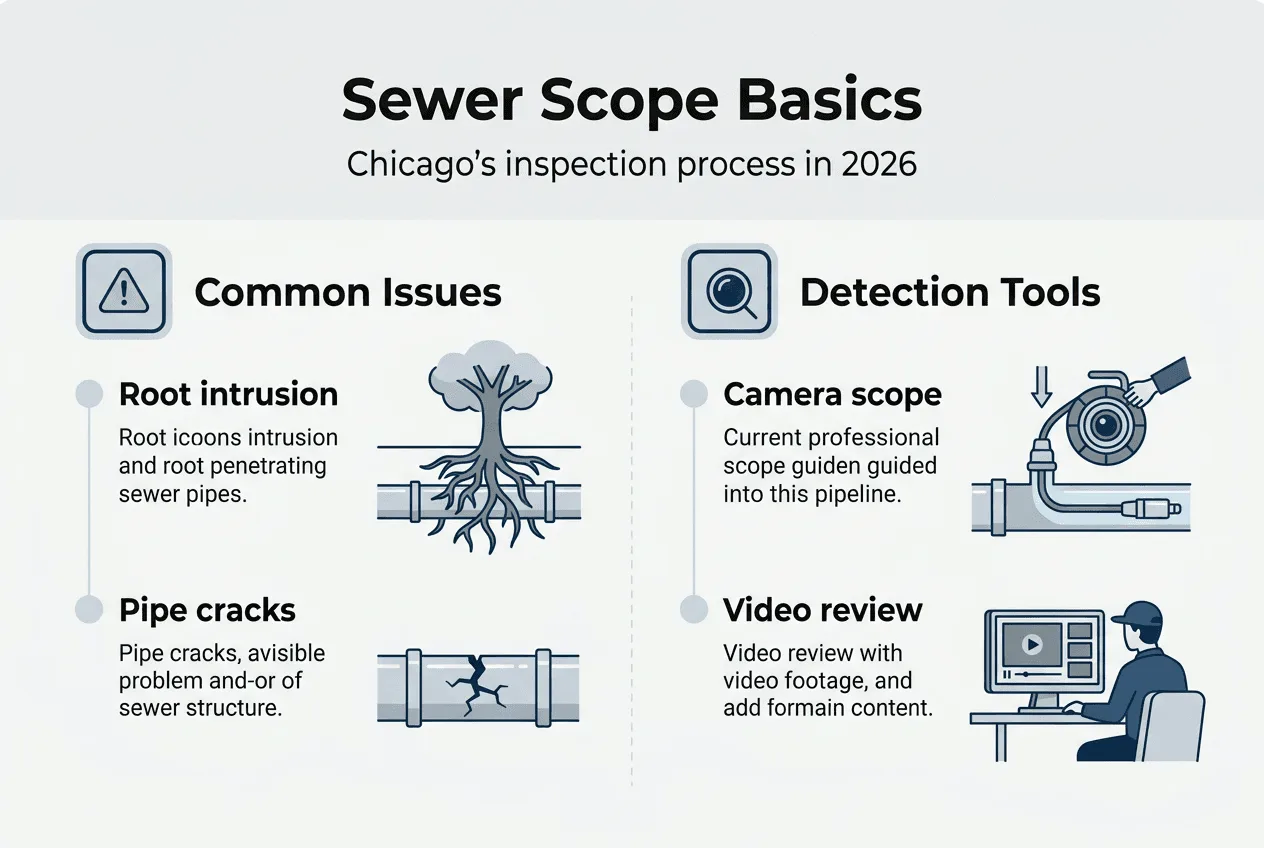
A sewer scope inspection uses specialized waterproof cameras to examine the interior condition of your home’s main sewer line from cleanout access points to the street connection. Sewer camera inspections provide real-time, high-resolution views that reveal problems invisible from above ground. These inspections detect tree root intrusion, blockages from debris buildup, cracked or broken pipes, corrosion eating through older materials, bellied sections where pipes sag, and separated joints where sections disconnect.
The inspection process follows a systematic approach. First, technicians locate the sewer cleanout, typically a capped pipe in your basement, crawlspace, or yard. They insert a flexible camera attached to a cable, then navigate through the entire sewer line while recording video footage. As the camera travels, inspectors identify problem areas and mark their precise locations using the cable’s distance measurements. You receive a detailed report with video evidence showing exactly what’s happening inside your pipes.
This visual evidence proves invaluable for Chicago homeowners facing higher repair costs. Understanding sewer scopes helps you make informed decisions about property maintenance and purchases. The technology eliminates guesswork by showing actual pipe conditions rather than relying on assumptions or surface symptoms.
Chicago’s specific challenges make these inspections particularly relevant. The city’s aging infrastructure, freeze-thaw cycles that crack pipes, and mature trees with aggressive root systems create unique sewer line vulnerabilities. Without inspection, you’re gambling with potentially catastrophic repair bills.
Pro Tip: Always request the actual video files and images from your sewer scope inspection, not just a written summary. Visual documentation lets you see problems firsthand and provides powerful evidence when negotiating repairs with sellers or contractors.
The inspection typically takes 45 to 90 minutes depending on line length and accessibility. Technicians can navigate bends, connections, and vertical sections to examine the entire system. This comprehensive view reveals problems that might not cause obvious symptoms for months or years, giving you time to plan repairs strategically rather than responding to emergencies.
When is a sewer scope inspection worth it for Chicago homeowners and buyers?
Sewer scope inspections become essential investments in specific scenarios that dramatically increase your risk of expensive surprises. Homes built over 20 years ago should always receive sewer inspections because aging materials deteriorate predictably. Clay pipes crack, cast iron corrodes, and even older PVC can fail at joints.
Pre-purchase inspections represent the most critical timing for sewer scopes. Buyers who skip this step often discover $15,000 to $30,000 repair needs after closing, with no recourse against sellers. The $200 to $400 inspection cost pales compared to replacement expenses. Chicago’s higher labor and material costs amplify this financial risk significantly.
Certain property characteristics demand immediate inspection:
- Homes with mature trees within 30 feet of the sewer line face root intrusion risks
- Properties with previous plumbing repairs or known sewer work need verification
- Homes showing signs of slow drains, gurgling toilets, or sewage odors require diagnosis
- Buildings with basement flooding history may have sewer backup issues
- Properties with foundation cracks potentially caused by sewer leaks
Pro Tip: Prioritize sewer inspections when buying homes with large oak, willow, or maple trees near the property line. These species have aggressive root systems that seek water and nutrients in sewer lines, causing blockages and pipe damage.
Inspection timing also matters for current homeowners. Schedule inspections every three to five years for proactive maintenance, especially in older Chicago homes. If you’re planning major landscaping or additions that could affect sewer access, inspect beforehand to avoid complications.
Homes in neighborhoods with known sewer problems benefit from inspections even without obvious symptoms. Chicago’s combined sewer system in certain areas creates additional stress on residential lines during heavy rainfall. Understanding why inspect sewer lines helps homeowners protect their investment proactively.
The inspection becomes less critical for brand new construction with documented sewer installations using modern materials and proper installation methods. However, even new homes benefit from baseline inspections to verify contractor work quality and establish condition records.
Common sewer issues found in Chicago homes and how inspections detect them
Chicago’s residential properties face predictable sewer problems that camera inspections detect reliably. Tree root intrusion tops the list, with roots penetrating joints and cracks to access water and nutrients. These roots expand inside pipes, creating complete blockages that cause backups into basements.
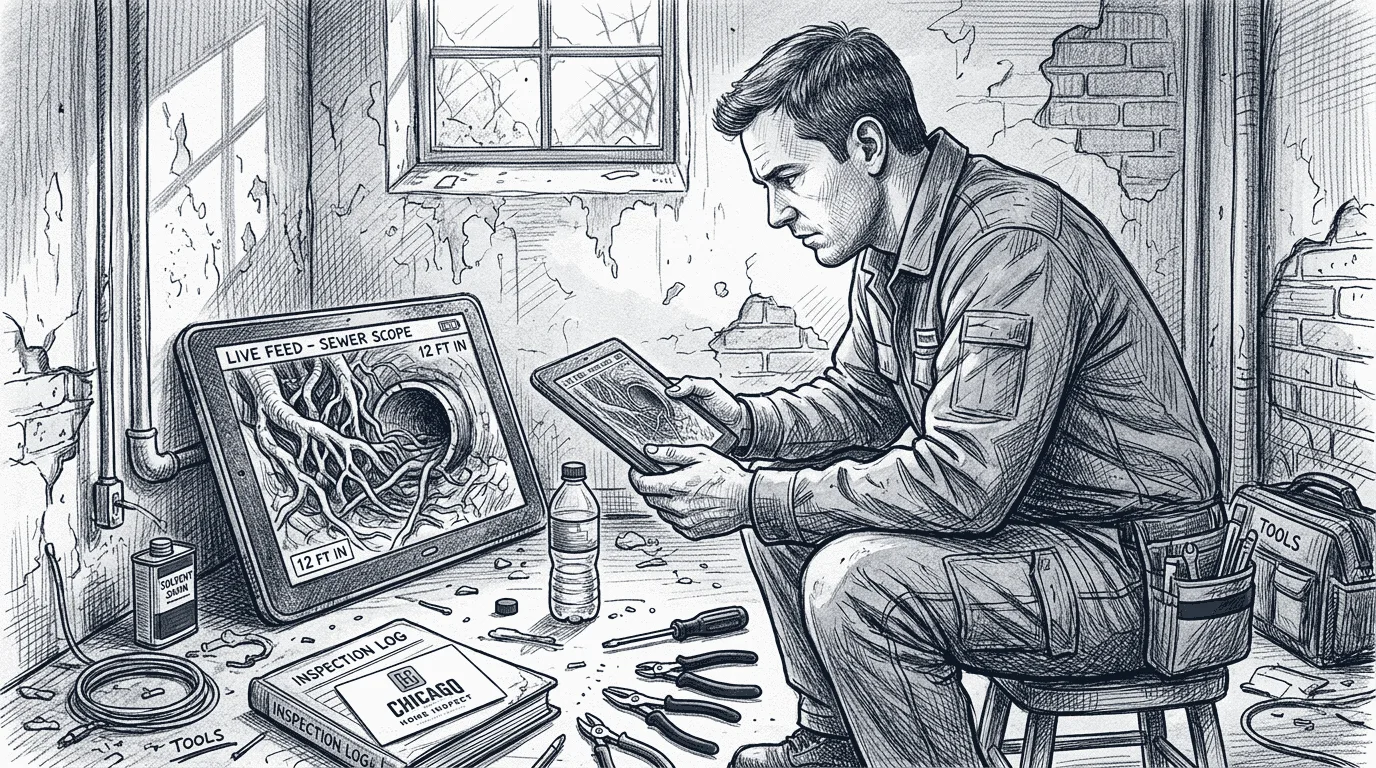
Blockages from accumulated debris, grease, and foreign objects create slow drains and eventual backups. Cameras reveal the blockage location and composition, guiding effective clearing methods. Cracked or broken pipes from ground settling, freeze-thaw damage, or age show clearly on camera footage, indicating replacement needs.
Corrosion affects older cast iron and galvanized steel pipes, with cameras showing rust buildup and weakened pipe walls. Bellied pipes sag due to soil settling, creating low spots where waste accumulates and eventually blocks flow. Separated joints occur when pipe sections disconnect, allowing soil infiltration and sewage leakage.
These issues create cascading problems if ignored. Root intrusion leads to complete blockages requiring emergency plumbing calls. Cracked pipes leak sewage into soil, contaminating yards and potentially affecting foundations. Corrosion eventually causes pipe failure and flooding.
The technology excels at identifying structural problems, blockages, and material deterioration. Inspectors can measure crack sizes, estimate remaining pipe life, and prioritize repair urgency.
Chicago homes face unique challenges from freeze-thaw cycles that expand and contract soil, stressing pipe connections. Undetected sewer issues escalate quickly. A small crack becomes a complete break within months. Minor root intrusion transforms into total blockage requiring excavation. Foundation damage from sewer leaks costs tens of thousands to repair. Mold growth from moisture creates health hazards and remediation expenses.
Practical advice for Chicago homeowners: applying sewer scope inspections for maintenance and buying decisions
Scheduling your sewer scope inspection requires minimal preparation but delivers maximum insight. Contact licensed inspectors who use high-resolution cameras and provide detailed video documentation. Clear access to your sewer cleanout beforehand, removing stored items or landscaping that blocks entry points.
Follow this inspection preparation process:
- Research qualified inspectors with sewer scope experience and proper equipment
- Schedule inspections during home buying due diligence periods or before major renovations
- Ensure cleanout access is clear and accessible for camera insertion
- Request comprehensive reports including video files, still images, and written findings
- Review footage with inspectors to understand problem severity and repair urgency
- Obtain repair estimates from multiple contractors using inspection documentation
- Use findings to negotiate purchase prices or plan maintenance budgets
Inspection frequency depends on your home’s age and condition. Properties over 50 years old benefit from inspections every three years. Homes with previous sewer work need verification inspections within five years of repairs. New homeowners should establish baseline inspections within the first year.
Chicago provides resources for sewer maintenance through its Operations and Maintenance Plan, which includes inspection and cleaning protocols. Understanding city requirements helps homeowners maintain compliance and prevent problems.
Immediate inspection becomes necessary when you notice these warning signs:
- Multiple drains backing up simultaneously
- Sewage odors inside or outside your home
- Unusually lush grass patches over the sewer line path
- Foundation cracks appearing near plumbing fixtures
- Persistent pest problems possibly entering through damaged pipes
Pro Tip: Request full inspection reports with videos and photos for complete transparency. This documentation proves invaluable when negotiating with sellers during home purchases or discussing repair options with contractors. Visual evidence eliminates disputes about problem severity.
Inspection results guide strategic decisions. Minor root intrusion might warrant chemical treatments and monitoring. Significant cracks require pipe replacement planning. Blockages need professional clearing with follow-up inspections to verify success. Use findings to prioritize repairs based on urgency and budget.
For homebuyers, inspection results become powerful negotiation tools. Documented sewer problems justify price reductions or seller-paid repairs. Many buyers request $5,000 to $20,000 credits for sewer line replacement needs discovered during inspections. Without documentation, negotiations lack factual basis.
Integrate sewer inspections into your annual home maintenance routine alongside other critical systems. This proactive approach prevents emergencies and extends your sewer system’s lifespan. Scheduled maintenance costs far less than emergency repairs.
Pre-purchase inspections should always include sewer scopes for Chicago properties over 20 years old. This investment protects buyers from assuming unknown liabilities and ensures informed purchase decisions.
Choose Chicago Home Inspect LLC for expert sewer scope inspections
Protecting your Chicago home investment starts with professional sewer scope inspections from experienced, certified inspectors who understand local challenges. Chicago Home Inspect LLC provides comprehensive sewer camera inspections as part of thorough pre-purchase inspections that reveal hidden problems before you commit to buying. Our InterNACHI certified inspectors use high-resolution camera equipment to document every inch of your sewer line, providing detailed video evidence and written reports that guide your decisions.
We serve Chicago and surrounding suburbs with flexible weekend scheduling to accommodate your timeline. Our detailed reports include visual documentation, problem explanations, and repair recommendations prioritized by urgency. Review our sample reports to see the comprehensive information you’ll receive. Whether you’re buying a home, maintaining your current property, or investigating drainage problems, our inspections deliver the clarity you need. Schedule your inspection today to protect your investment with professional expertise you can trust.
Should you get a sewer scope in Chicago? When is it worth it? – Frequently asked questions
What does a sewer scope inspection cost in Chicago?
Sewer scope inspections in Chicago typically cost $200 to $400 depending on property size and line length. This investment proves minimal compared to repair costs ranging from $3,000 for minor fixes to $30,000 for complete line replacement. Many home inspectors offer sewer scopes as add-on services to standard inspections at discounted rates.
Can a sewer scope detect all sewer problems?
However, very small pinhole leaks in early stages may not show clearly on camera. Inspections excel at identifying significant problems requiring immediate attention or future planning.
How often should I get a sewer scope inspection?
Inspect sewer lines every three to five years for homes over 20 years old, or immediately when experiencing drainage problems. New homeowners should establish baseline inspections within the first year. Properties with previous sewer repairs need follow-up inspections within five years to verify repair longevity.
Is a sewer scope inspection necessary for new construction homes?
New construction typically requires less urgent sewer inspection since modern materials and installation methods reduce immediate failure risks. However, baseline inspections verify contractor work quality and document initial conditions. This documentation proves valuable if problems develop within warranty periods or for future sale transparency.
Will a sewer scope help in negotiating home purchase terms?
Sewer scope findings provide powerful negotiation leverage during home purchases. Documented problems justify price reductions, seller-paid repairs, or repair credits at closing. Buyers commonly negotiate $5,000 to $20,000 adjustments based on sewer line replacement needs discovered through inspections, making the $200 to $400 inspection cost highly worthwhile.
What happens if my sewer scope reveals major problems?
Major sewer problems identified during inspections give you options before committing to purchase. Request seller repairs, negotiate significant price reductions, or walk away from problematic properties. For current homeowners, findings allow strategic repair planning rather than facing emergency situations. Always obtain multiple contractor estimates using inspection documentation to ensure fair pricing.