
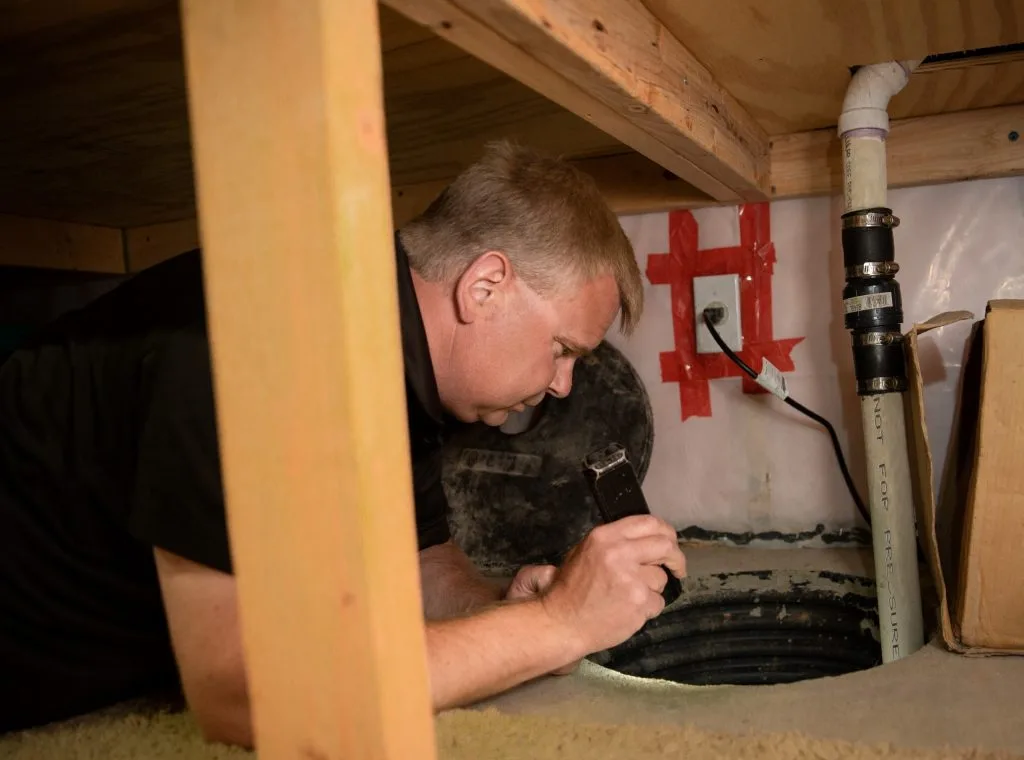
What’s in this library
The following photos document plumbing conditions during a home inspection. These images highlight safety concerns, maintenance issues, and areas where repairs or further evaluation are recommended. They are provided for your reference and to help illustrate the findings noted in the inspection report.
Free Use for Educational & Media Purposes
We believe in sharing knowledge. Students, content creators, bloggers, educators, journalists, and other media professionals are welcome to use these images for free — as long as proper credit is given.
How to Give Credit:
When using our images, please include:
- A visible credit line near the image or in your content footer
- A link back to our website
Example citation format:
Photo courtesy of Chicago Home Inspect LLC
Step-by-step:
- Download the image you’d like to use
- Add it to your content (blog, article, video, presentation, etc.)
- Place the credit line exactly as shown above, linking to our site
- If using on social media, tag @chicagohomeinspect in the caption
We appreciate your support in helping more people learn about home maintenance and inspection issues.
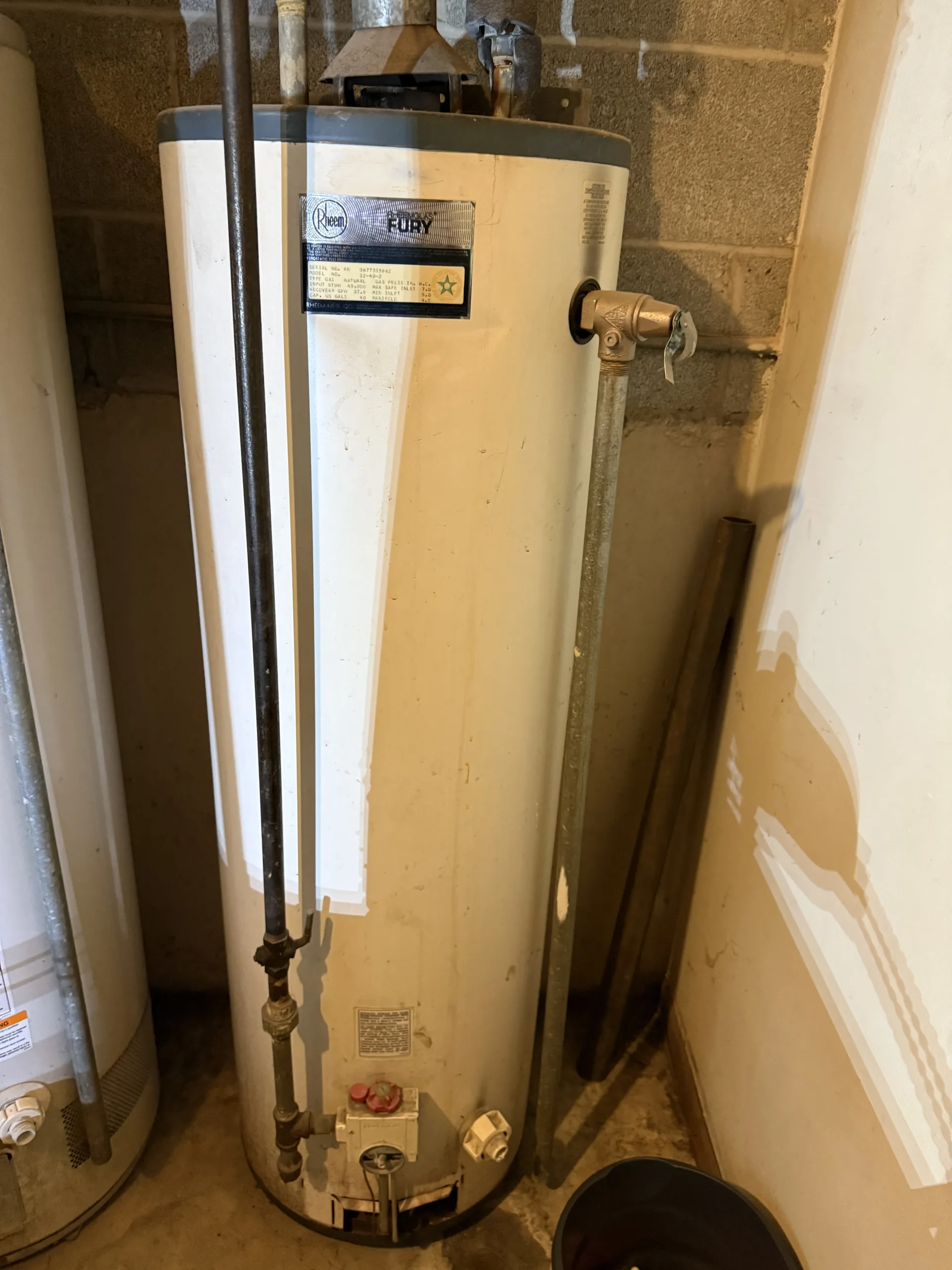
Water Heater – Beyond Service Life
The Rheem Fury water heater observed has a serial number indicating it was manufactured in June 1977. This places the unit at approximately 48 years old, which is well beyond the typical service life expectancy of 8–12 years. Due to advanced age, the water heater is considered at the end of its useful life and presents an increased risk of failure, leakage, and inefficiency.
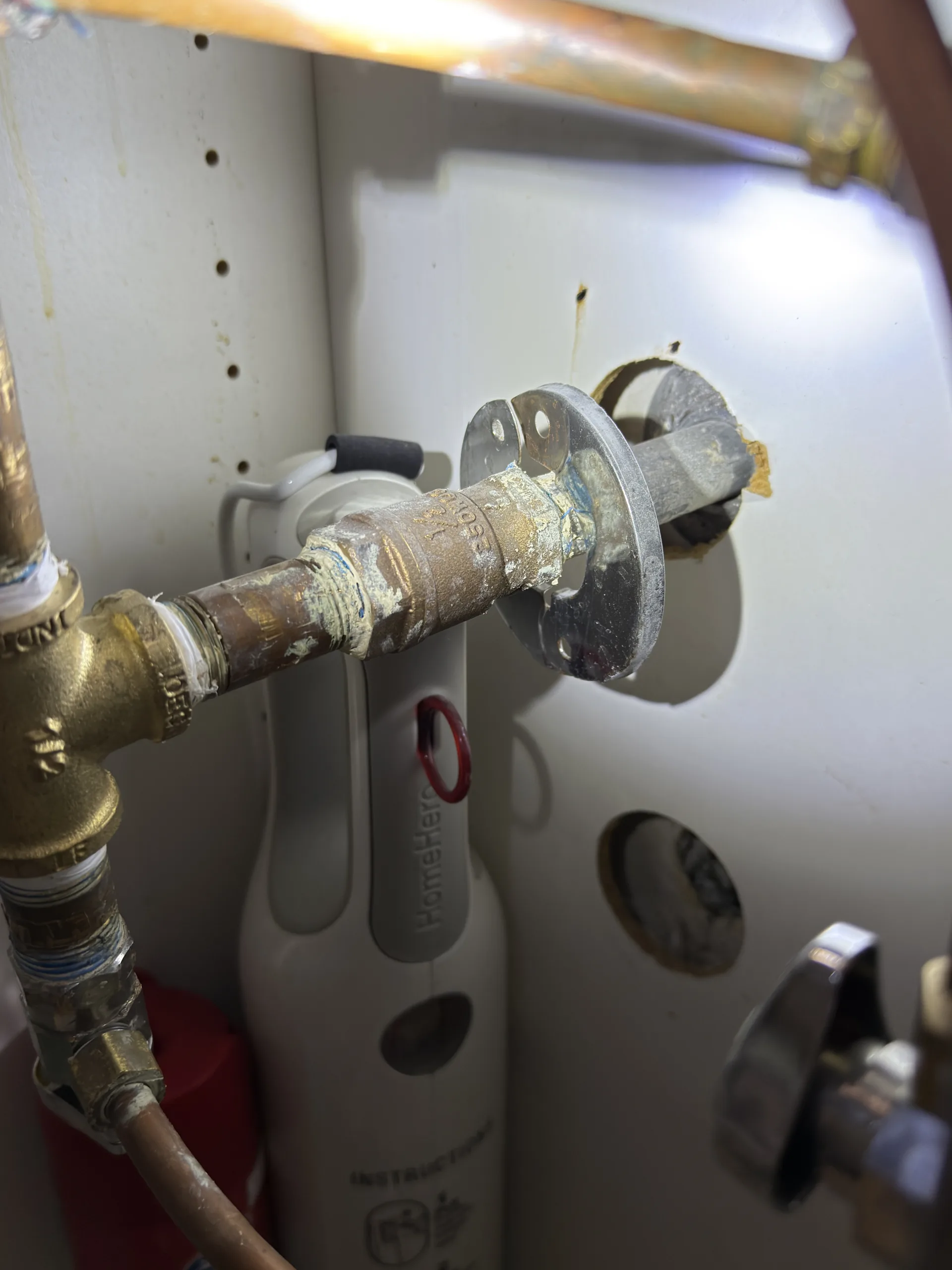
Copper to Galvanized – No Dielectric Fitting
The copper water line is directly connected to galvanized steel pipe without a dielectric fitting. This creates a condition for galvanic corrosion, which can cause leaks and pipe failure over time.
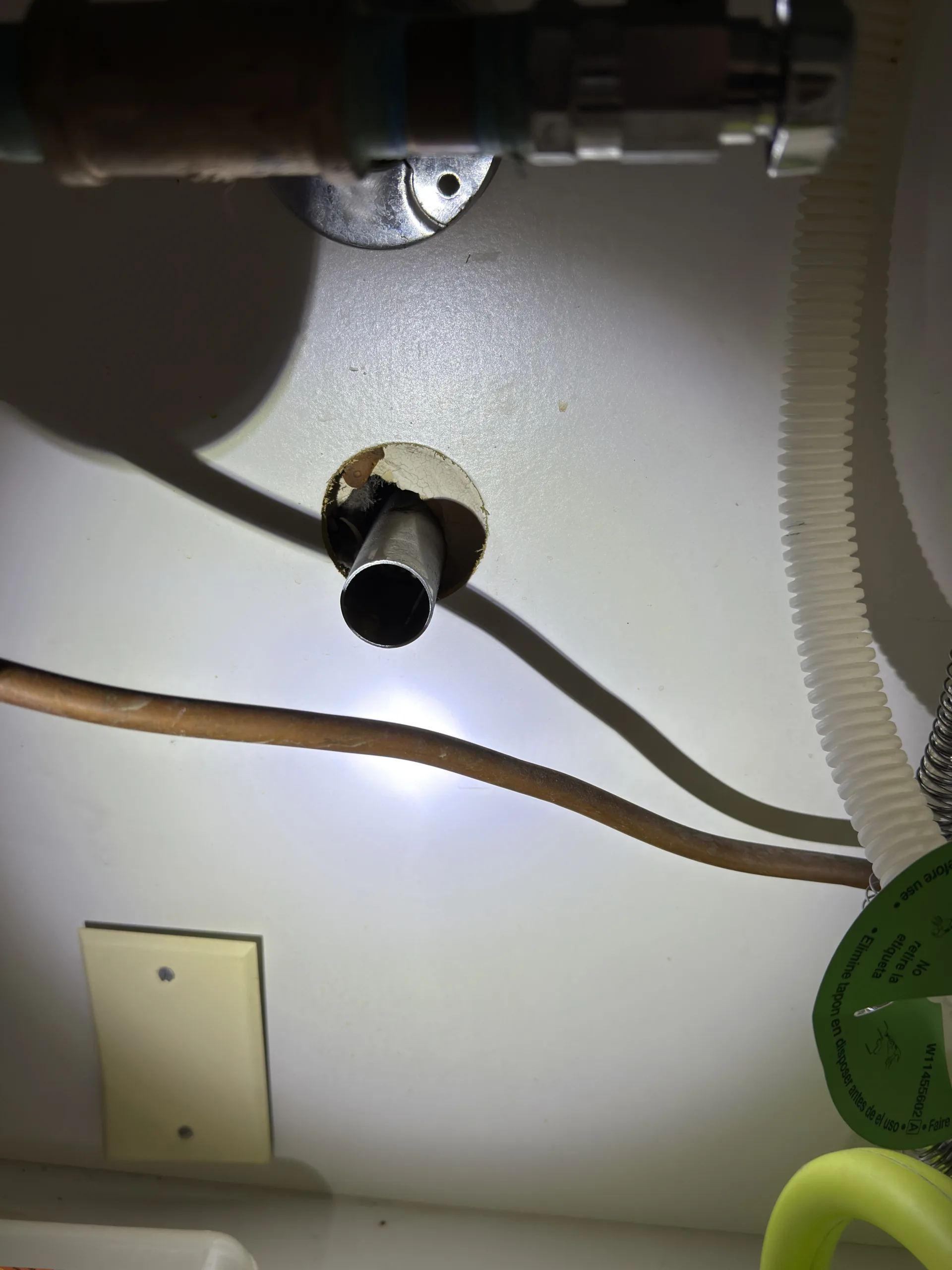
Drain Pipe – Open and Unsealed at the Wall
An open drain pipe is visible under a sink cabinet. It is unfinished and not sealed at the wall penetration. This is a code violation and can allow sewer gases, odors, and pests into the living space.
Sump Pump – Not Plugged In
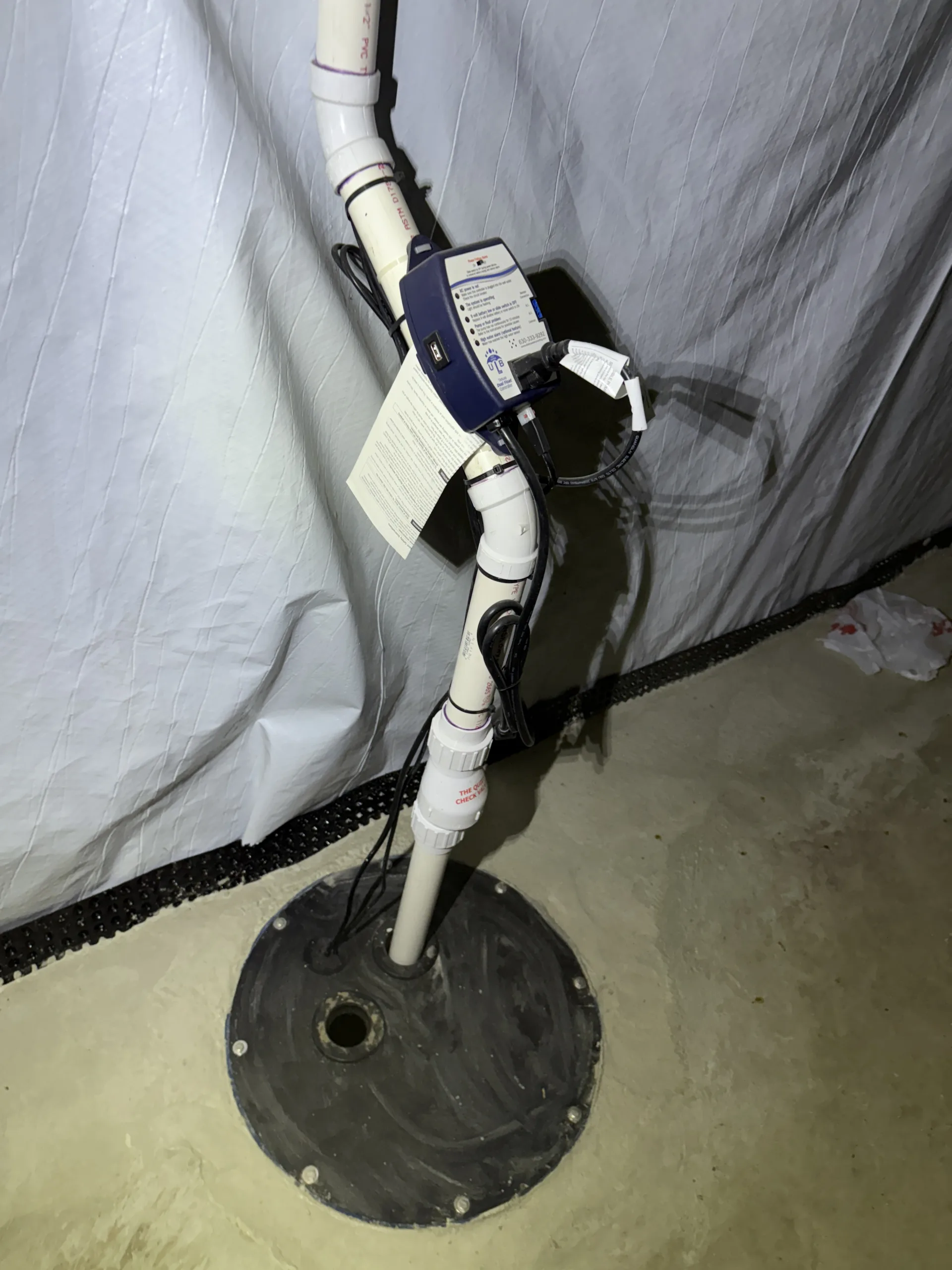
The sump pump is not plugged in, meaning it will not operate in the event of water intrusion. This leaves the basement vulnerable to flooding or water damage during heavy rains or groundwater rise.
Dishwasher Drain – No Air Gap or High Loop
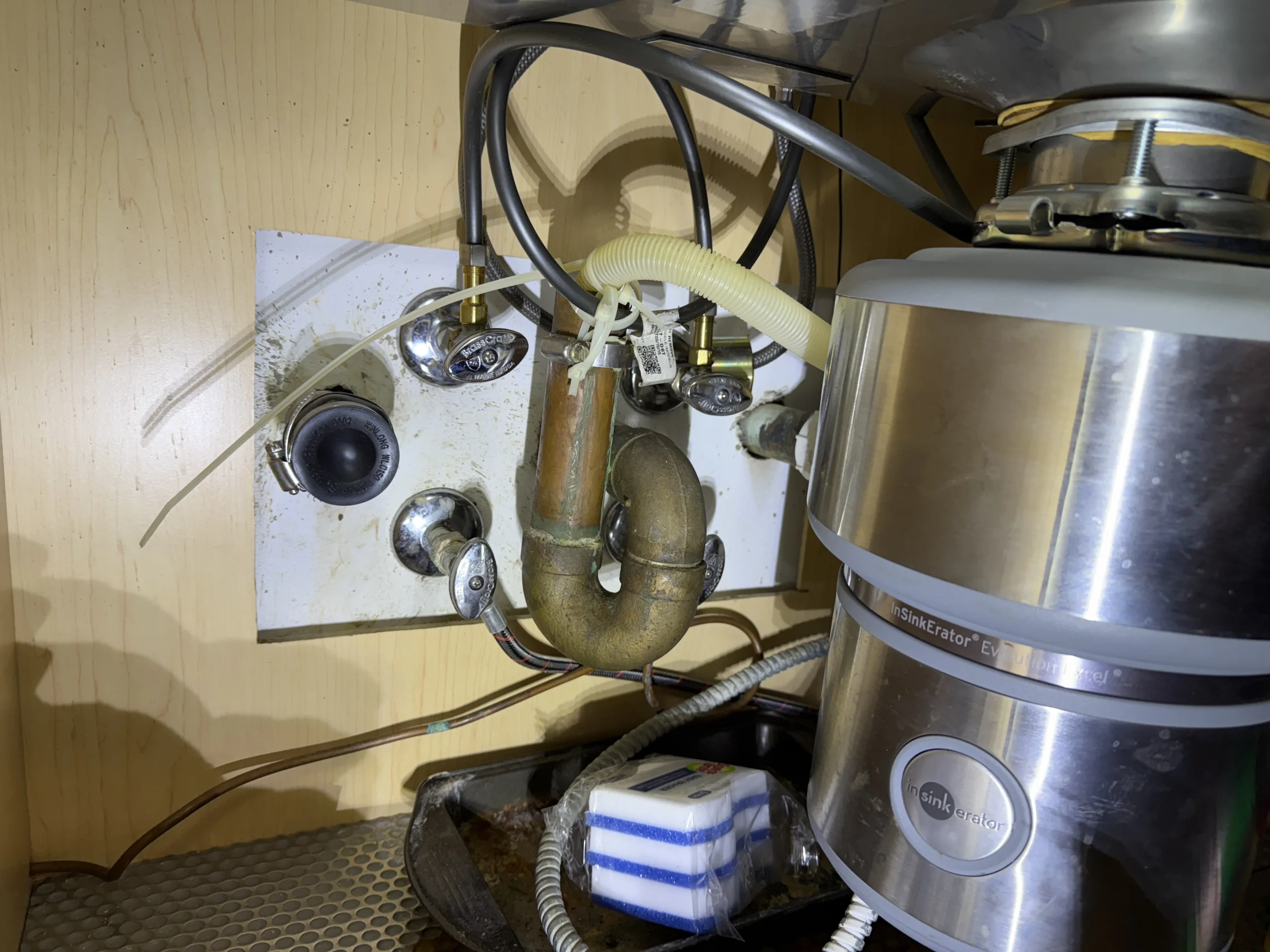
The dishwasher drain hose is terminating directly into an open pipe under the sink instead of being properly connected with an air gap or a high loop into the disposal or drain system. This setup can allow sewer gases or pests to enter and poses a sanitation risk.
Toilet – Loose at the Floor
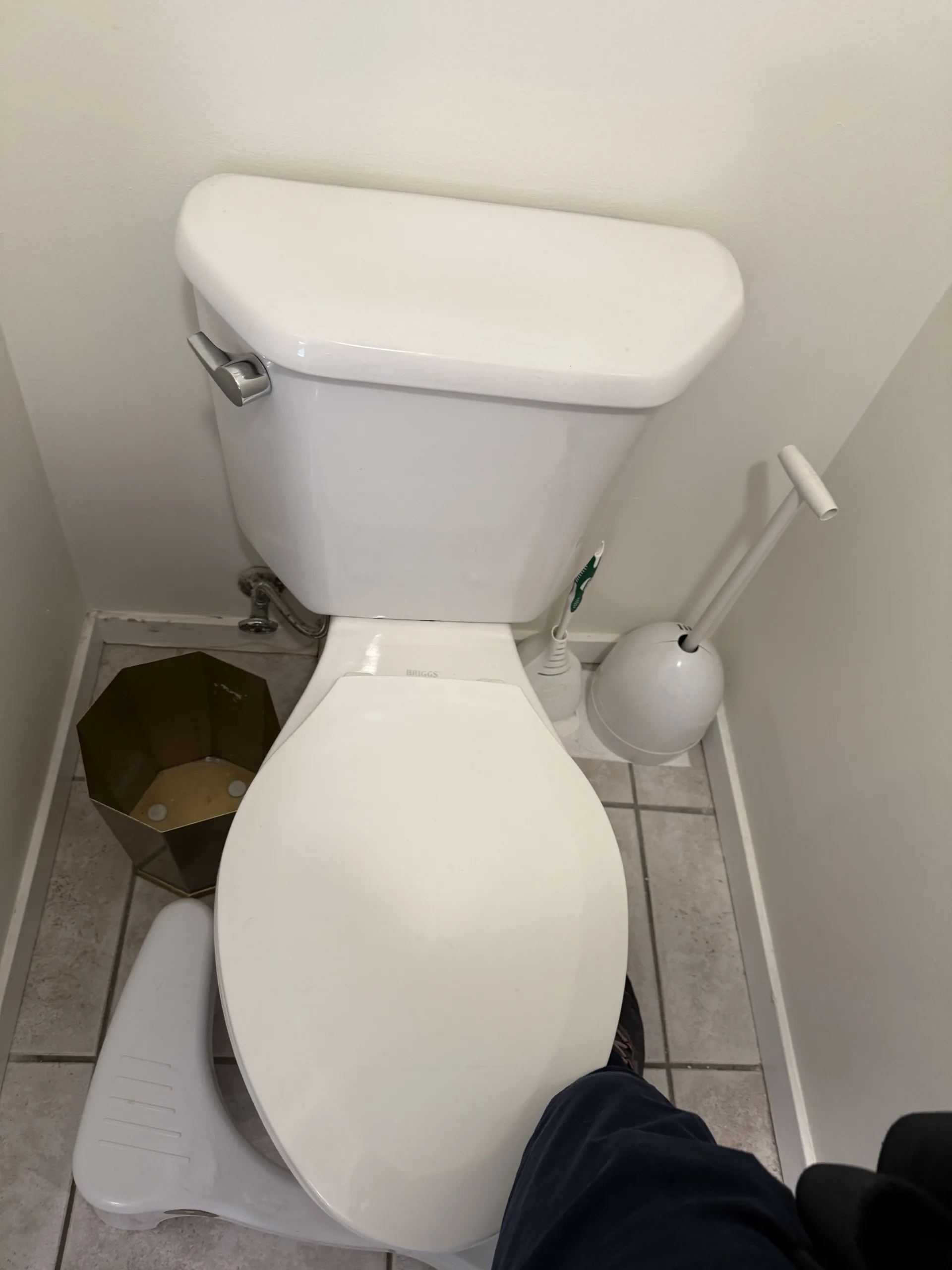
The toilet appears to be unsecured and shifting from its base. A toilet should be firmly anchored to the floor with closet bolts and a proper wax seal. Movement can compromise the wax ring, causing leaks, odors, or water damage to the subfloor.
Water Heater Vent – Joint Held with Foil Tape
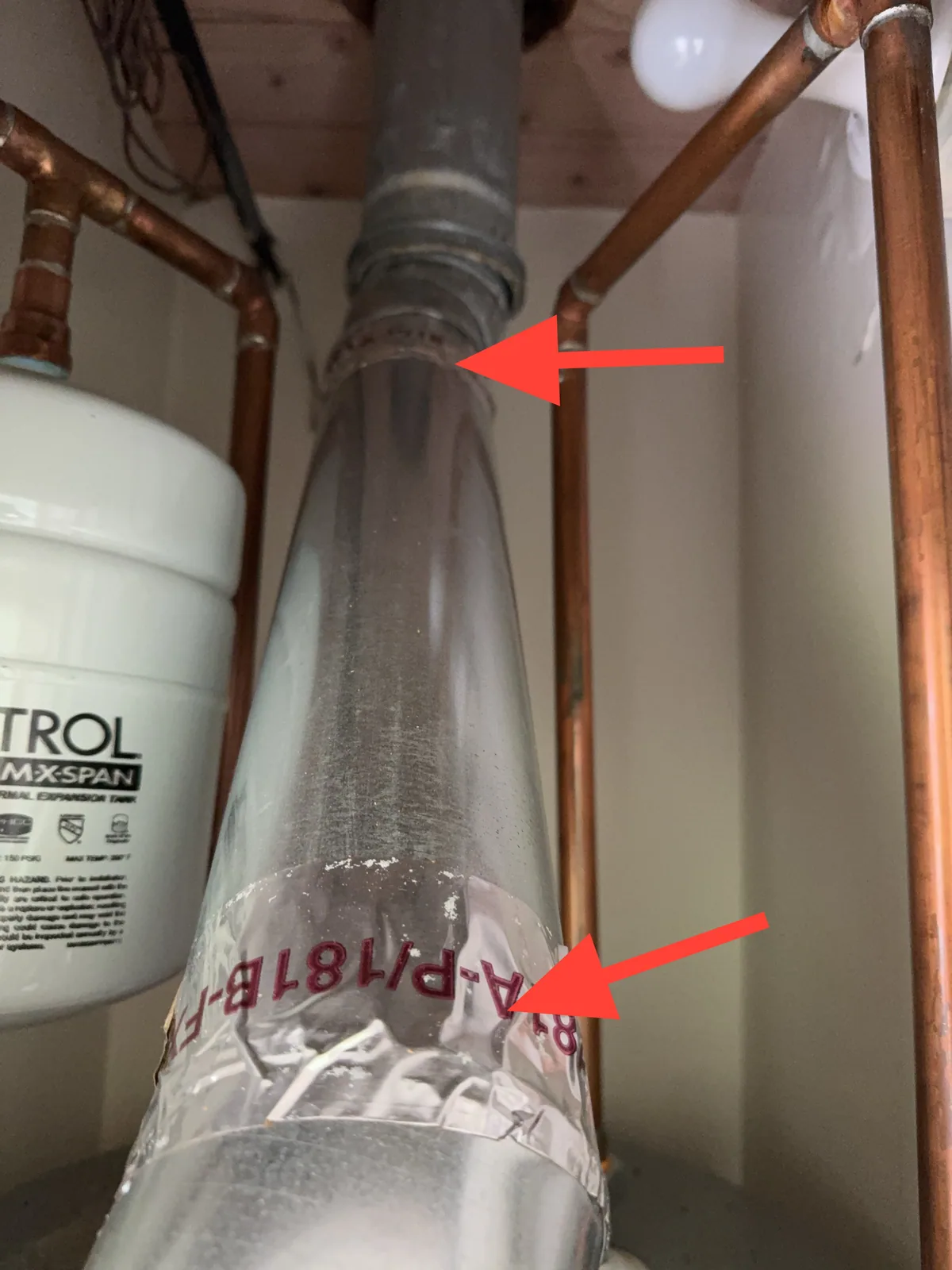
A joint in the water heater vent connector is held together with foil tape instead of proper mechanical fasteners. A taped joint can loosen or pull apart, and a vent connector that separates spills combustion gases, including carbon monoxide, into the living space. A qualified plumber or HVAC technician should refasten the connector correctly.
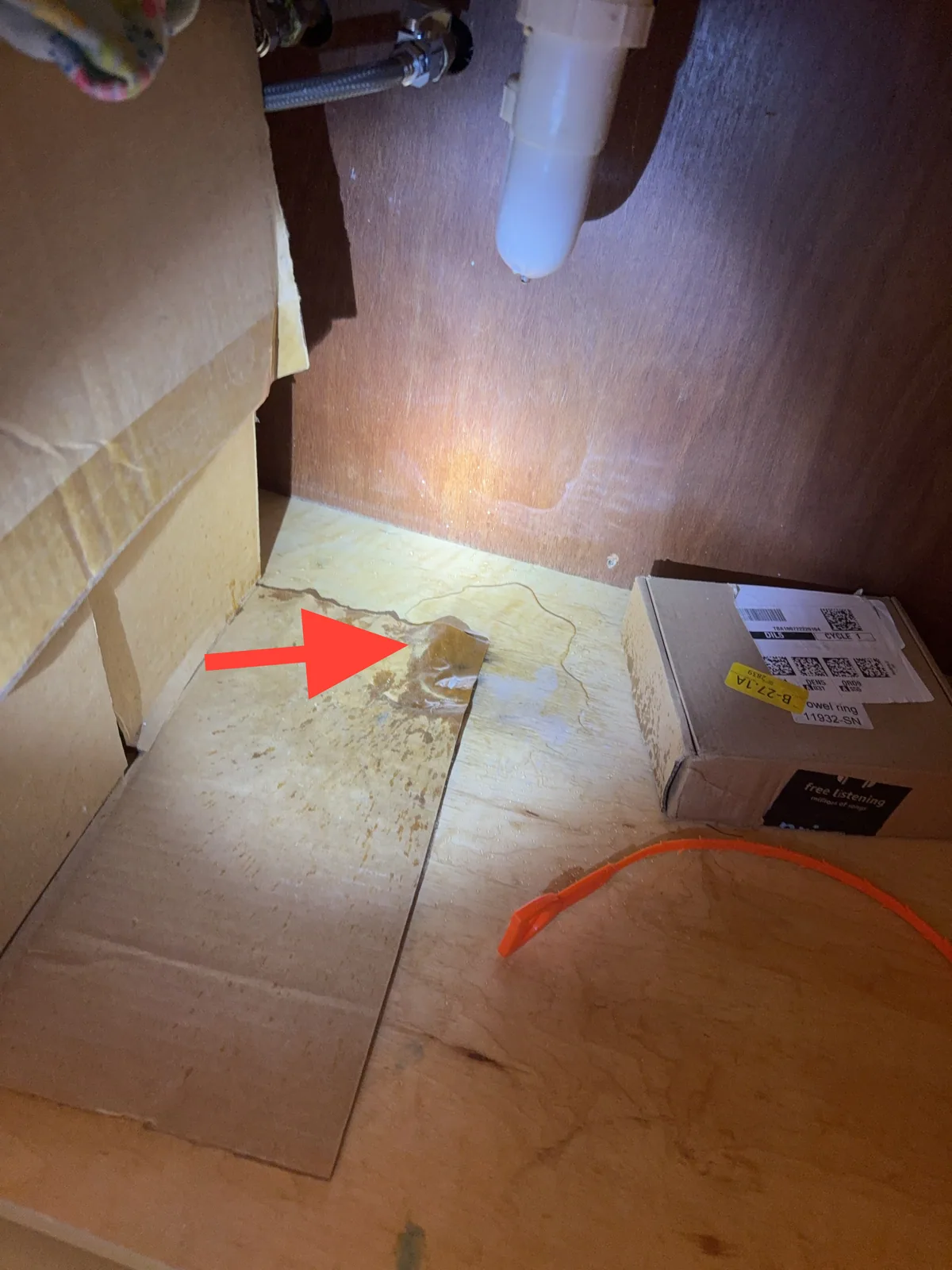
Sink Drain – Active Leak Beneath the Cabinet
Active leakage was observed under the sink. Water inside a cabinet damages the surrounding materials and creates conditions for biological growth. The source should be traced and repaired, and the area watched for further leakage.
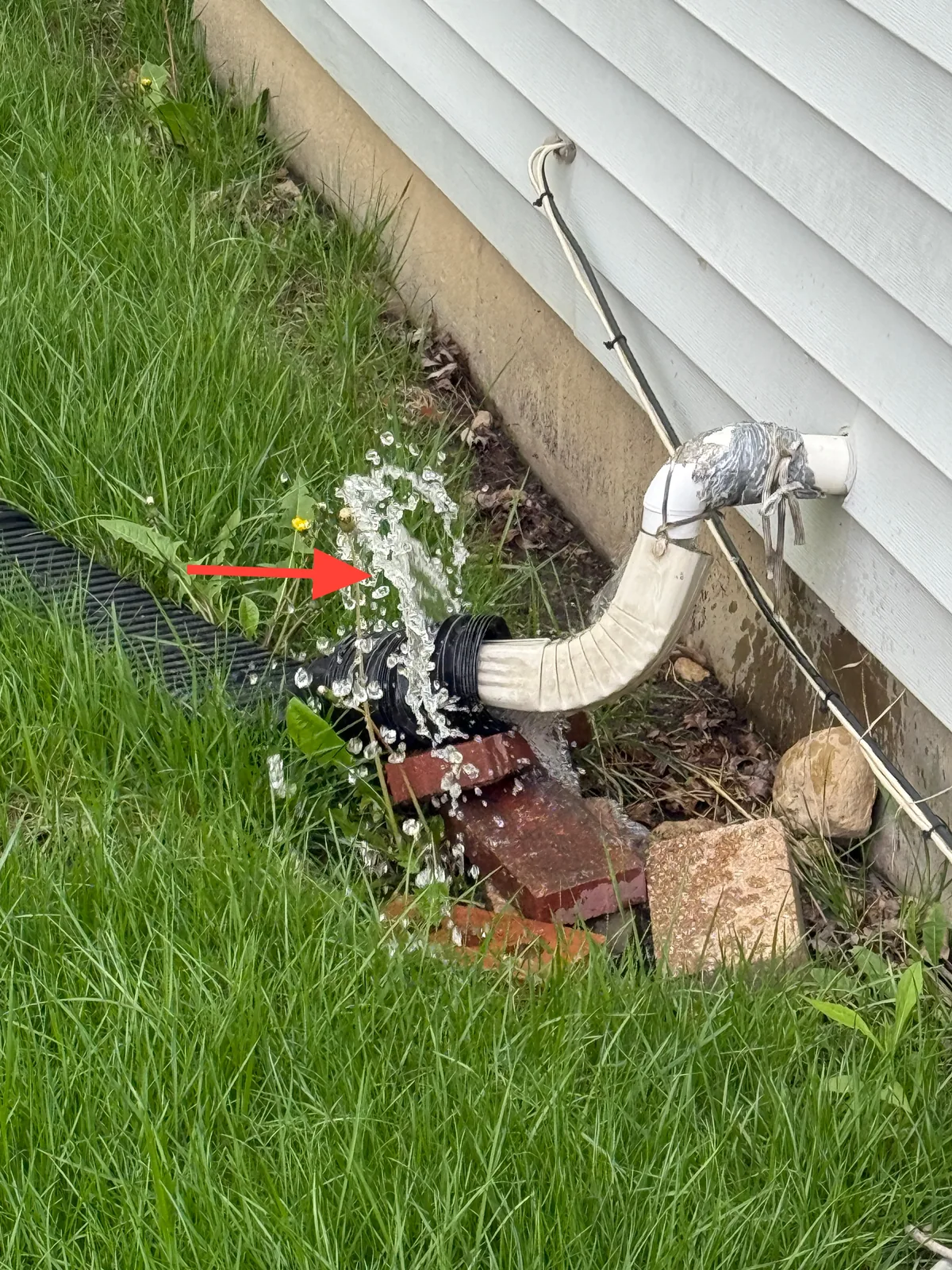
Sump Discharge – Leaking at the Connection
The sump pump discharge line is improperly assembled and leaks where rigid PVC meets the flexible extension, spraying water at the joint while the pump runs instead of carrying it away. Water released at the foundation is exactly what the pump is meant to prevent. The connection should be repaired and the line extended 6 to 10 feet away from the foundation.
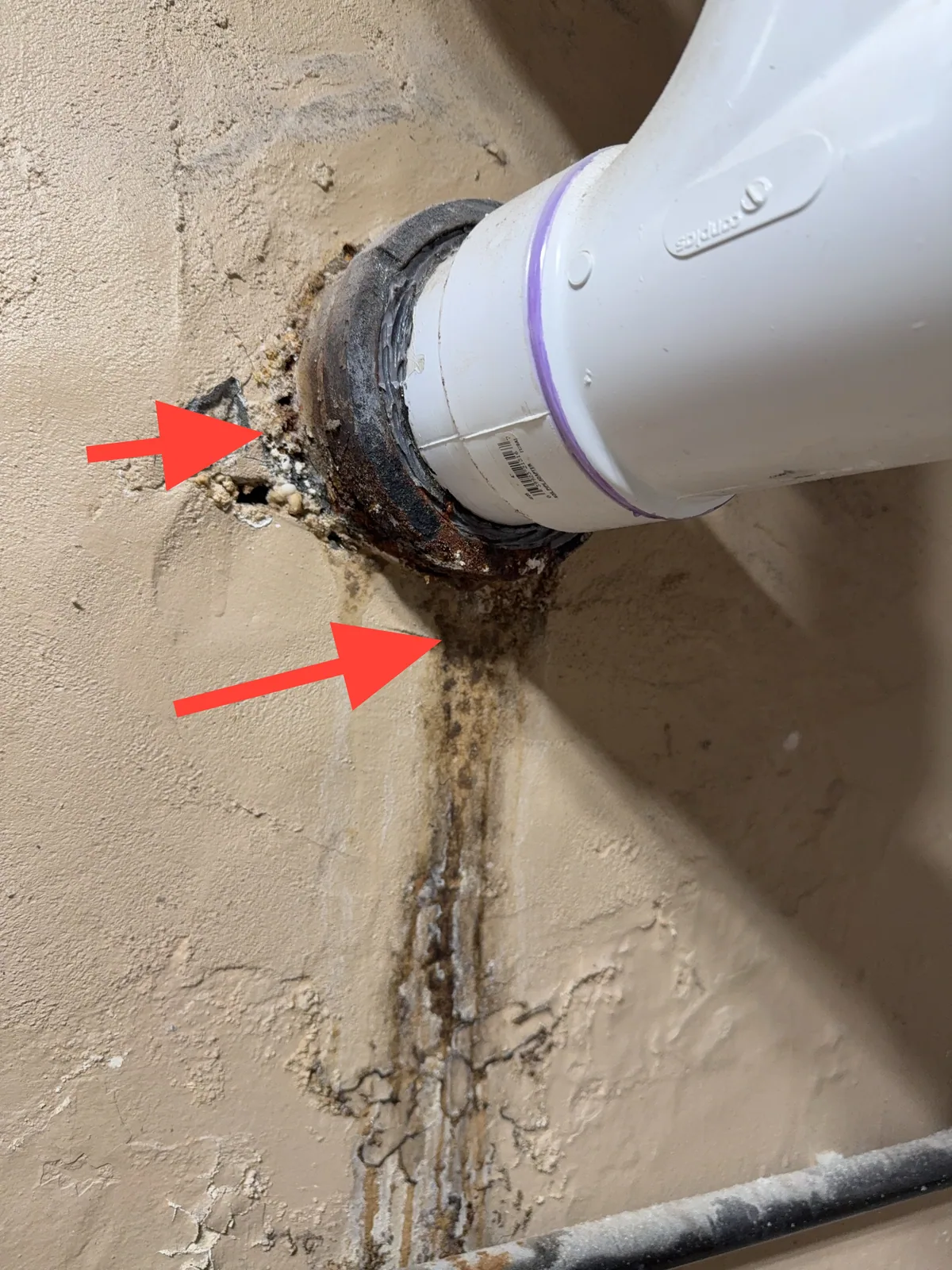
Main Sewer Line – Seepage at the Wall Penetration
Staining and apparent seepage were observed where the main sewer line passes through the basement wall, with corrosion visible at the cast-iron-to-plastic transition. A leaking drain line releases sewage and gases, damages surrounding materials, and is a sanitation concern. A qualified plumber should repair or replace the affected section.
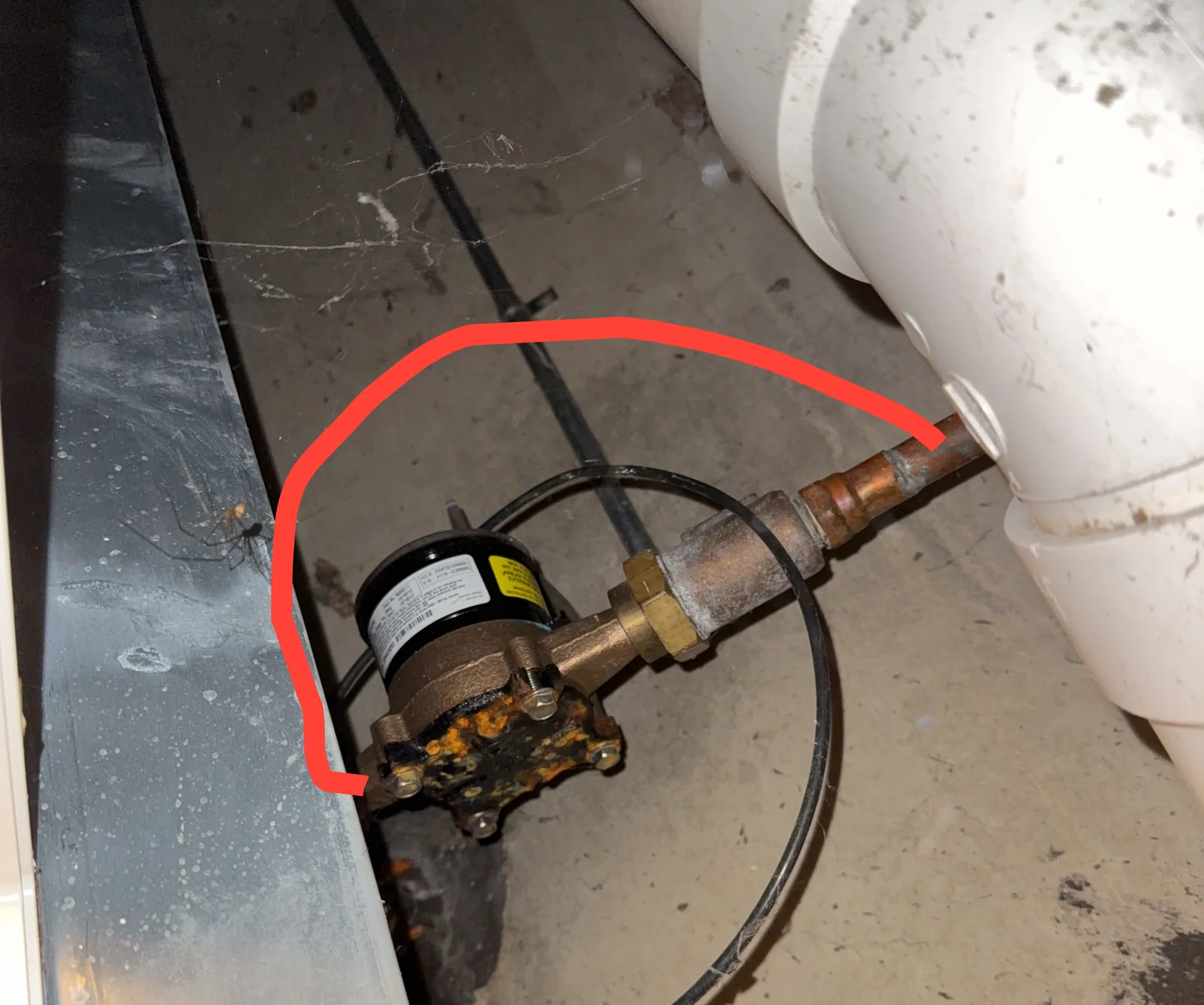
Water Meter – No Bonding Jumper Installed
No bonding jumper was observed across the water meter. The meter body can interrupt the electrical continuity of the metal piping that the bonding system relies on, leaving a section of pipe unbonded. A qualified electrician should install a properly sized jumper across the meter.
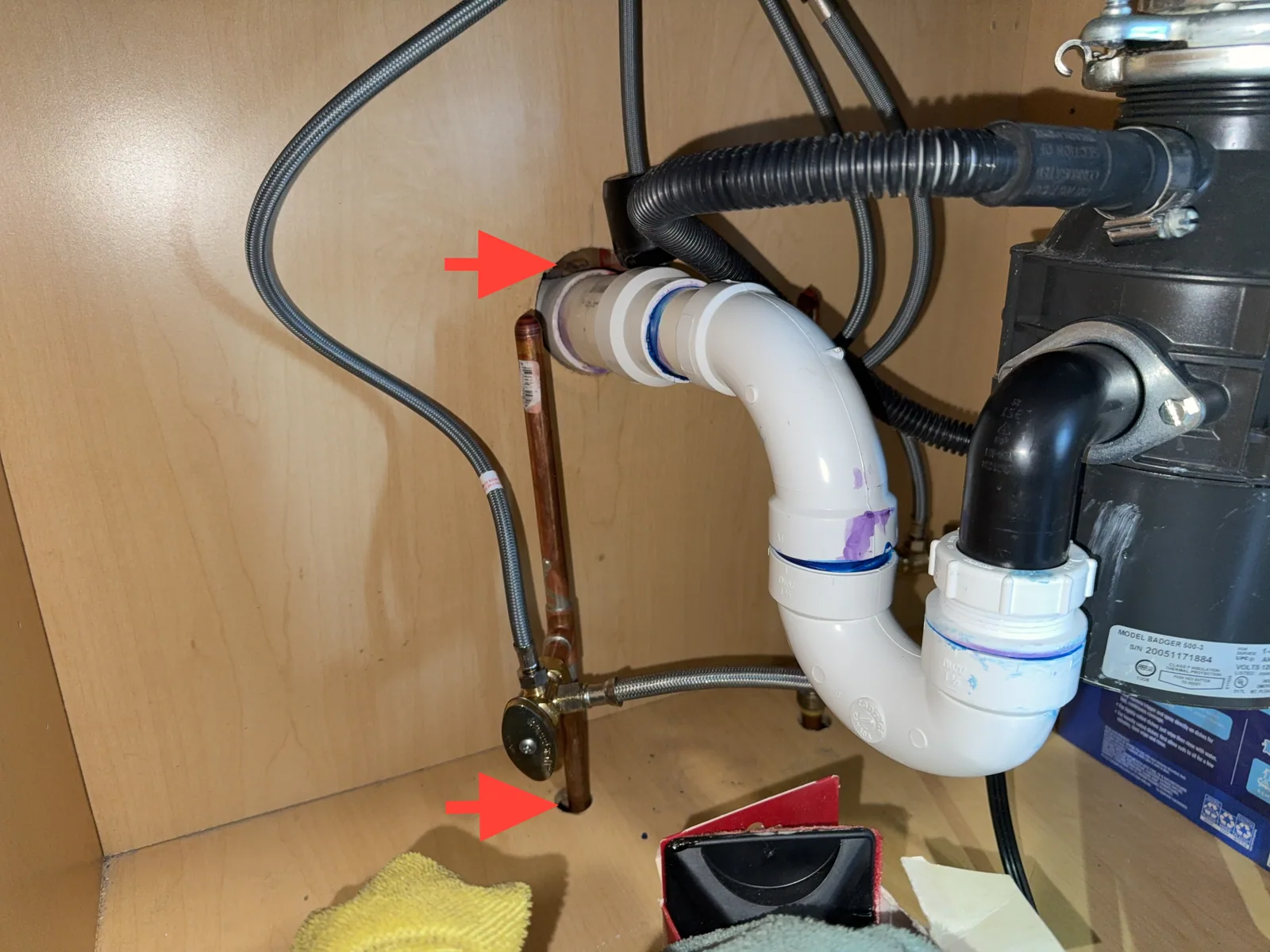
Under-Sink Pipe Penetrations – Left Unsealed
Openings were observed around the pipe penetrations beneath the sink. Gaps at the wall let pests through and allow moisture to move into the cavity behind the cabinet. Sealing the openings closes off both routes.
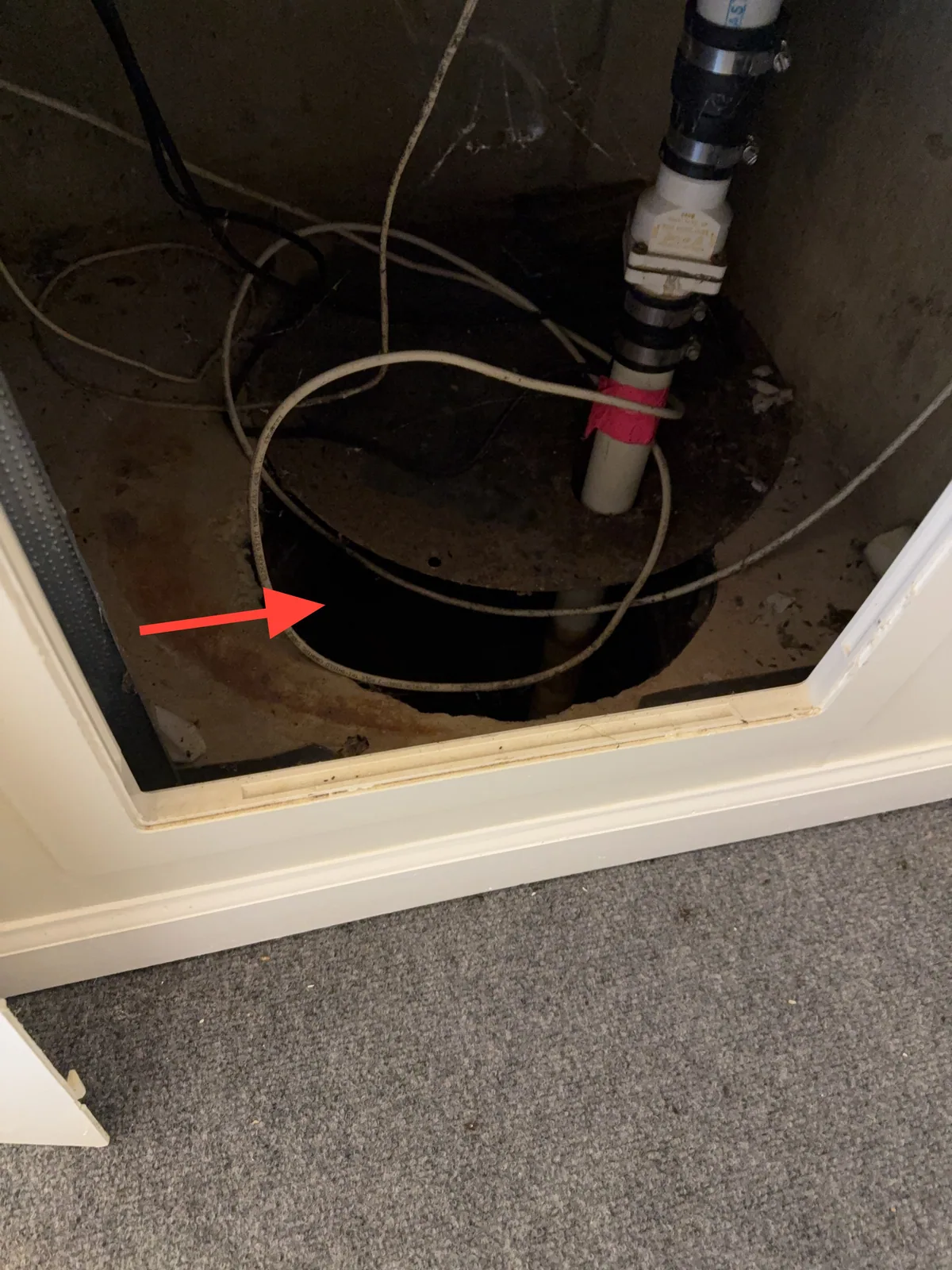
Sump Enclosure – Openings Not Sealed
The sump pump enclosure has openings and a lid that does not seal tightly. An open pit lets moisture, odours, and soil gases move from the pit into the basement air. Sealing the cover and its openings helps keep them out.
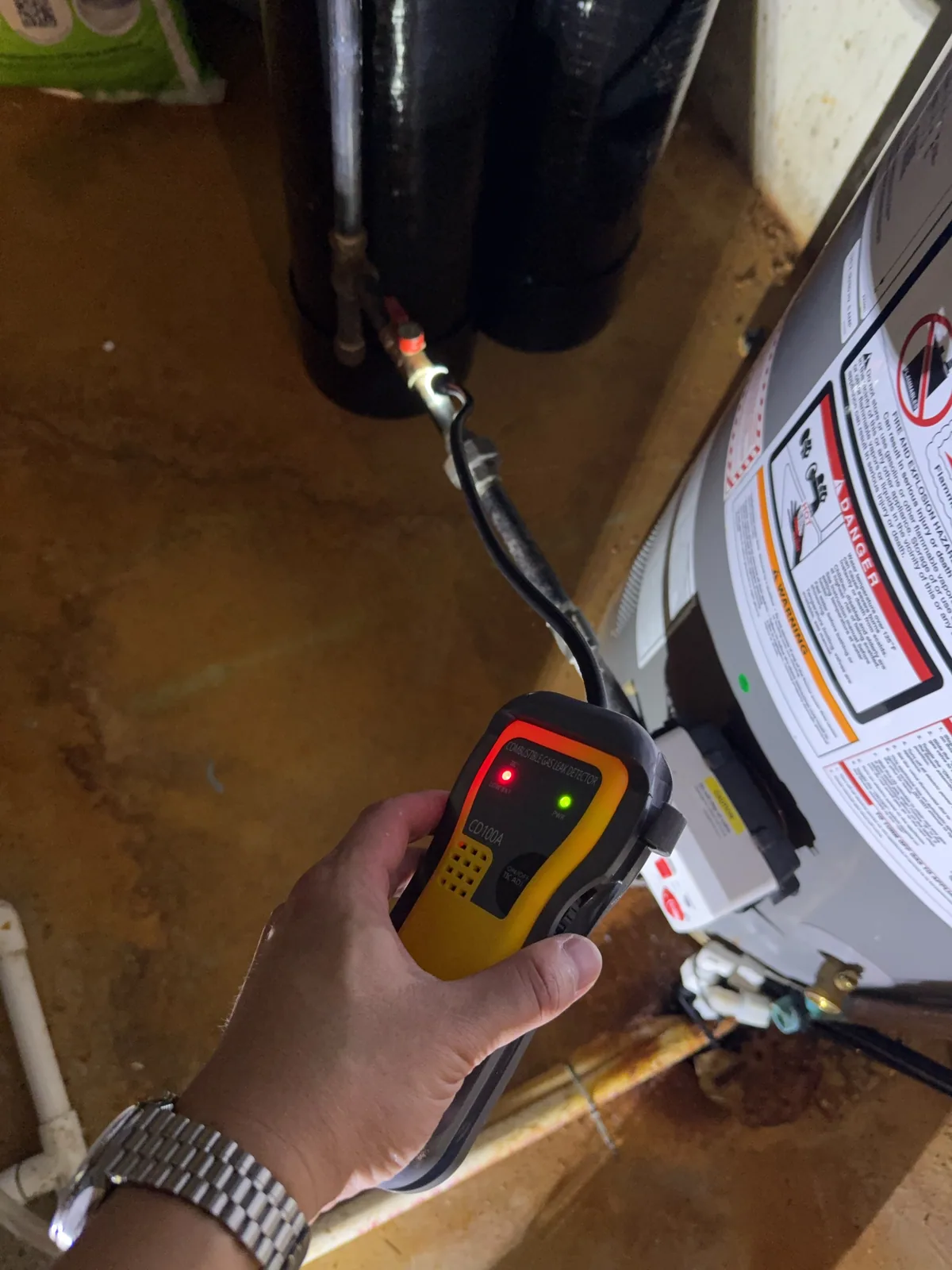
Water Heater – Gas Detected at the Piping Connection
A combustible gas detector responded at the gas piping connection serving the water heater, consistent with a leak. Escaping fuel gas can accumulate in an enclosed space and presents a fire and explosion hazard. A qualified plumber should evaluate and repair this promptly.
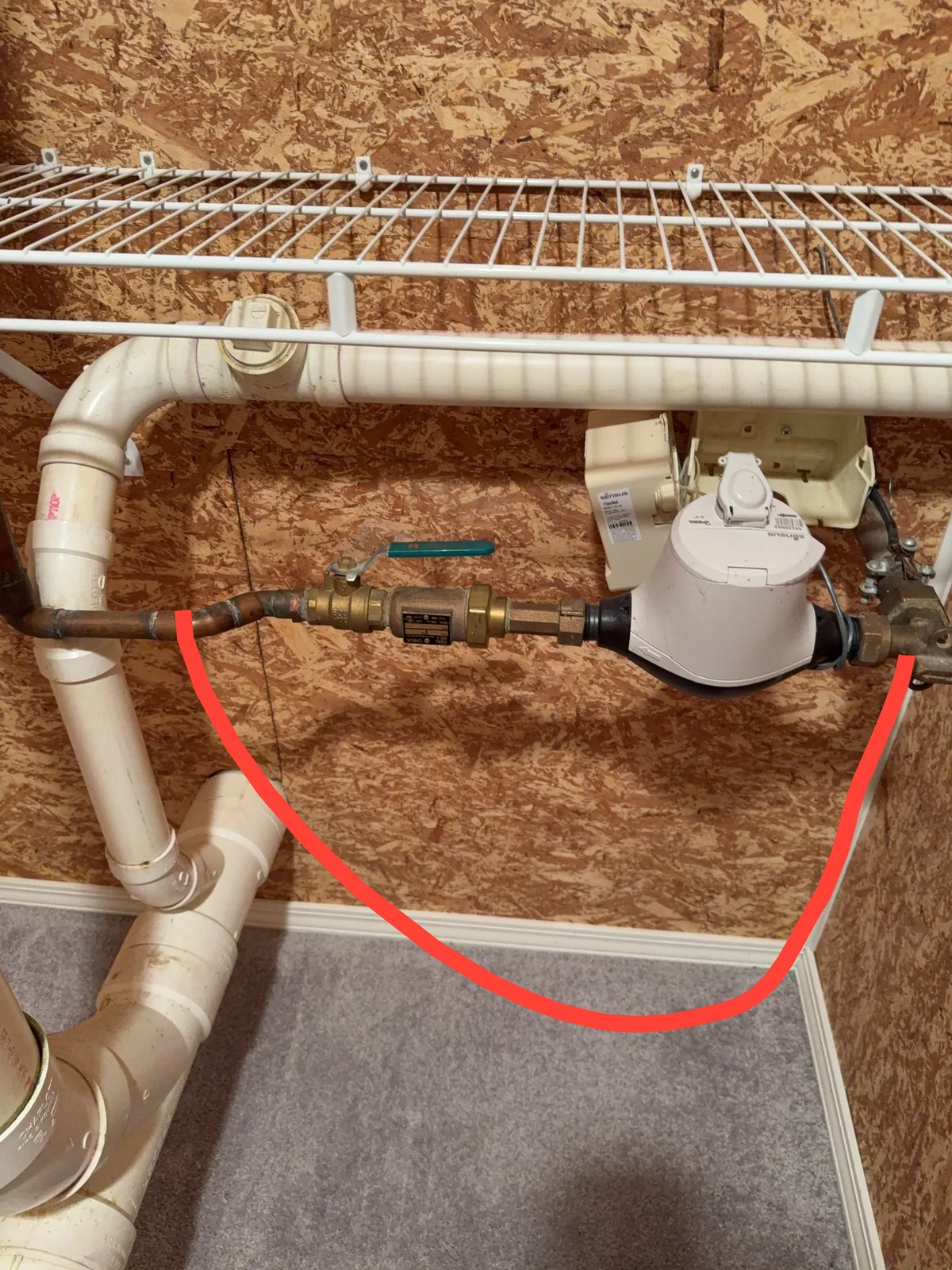
Water Meter – Bonding Continuity Interrupted
The water distribution piping is part of the bonding system, but no jumper was installed across the water meter. The meter can break the electrical continuity the bonding depends on, so the pipe beyond it may not be reliably bonded. A qualified electrical contractor should install a jumper across the meter.
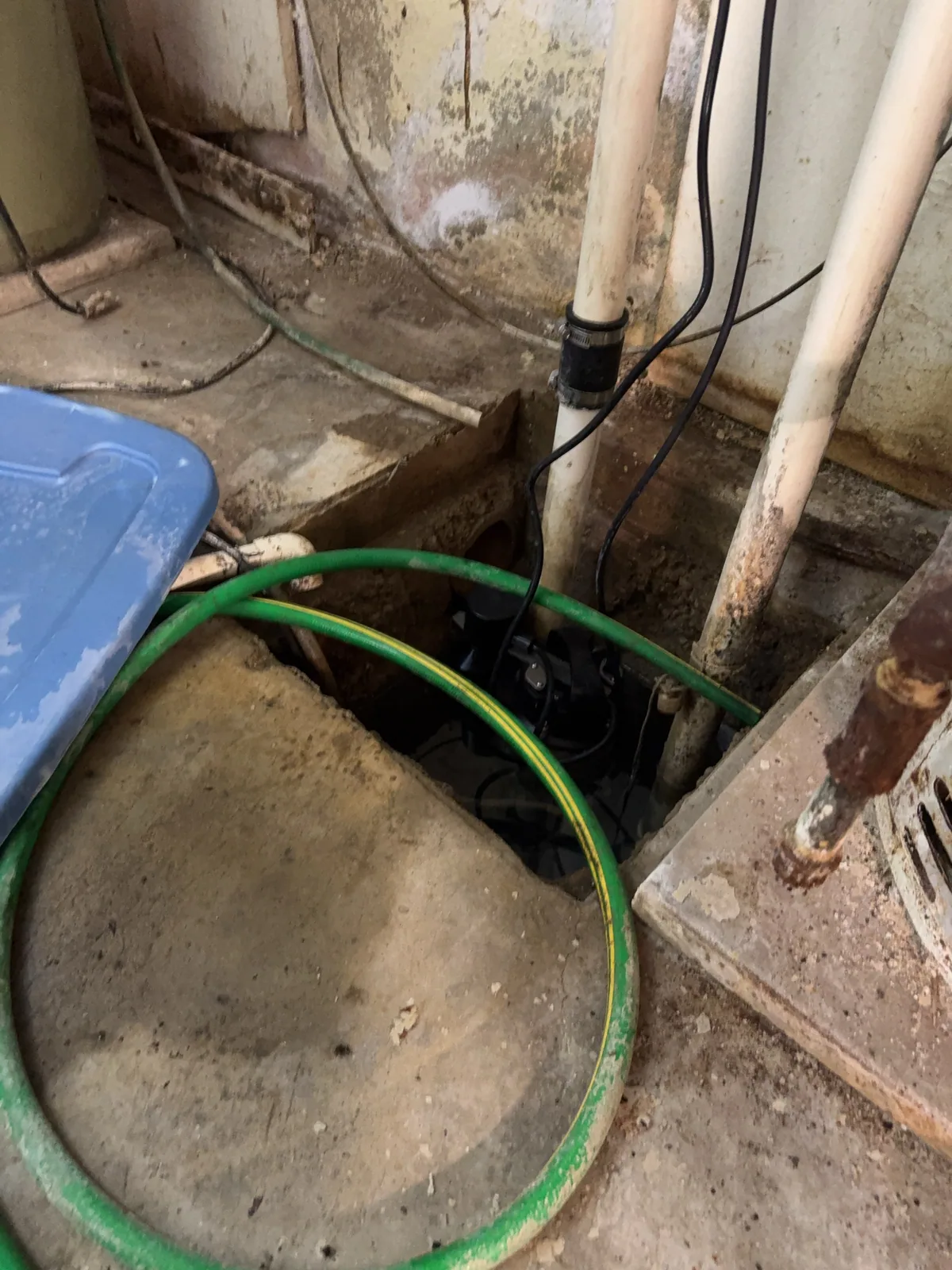
Sump Pit Cover – Openings Left Open
Openings were observed at the sump pit cover. A tightly sealed cover limits moisture, odours, and soil gases such as radon from entering the living space, and an open pit is a direct path for all three. Sealing the cover is worth discussing with a qualified contractor for indoor air quality.
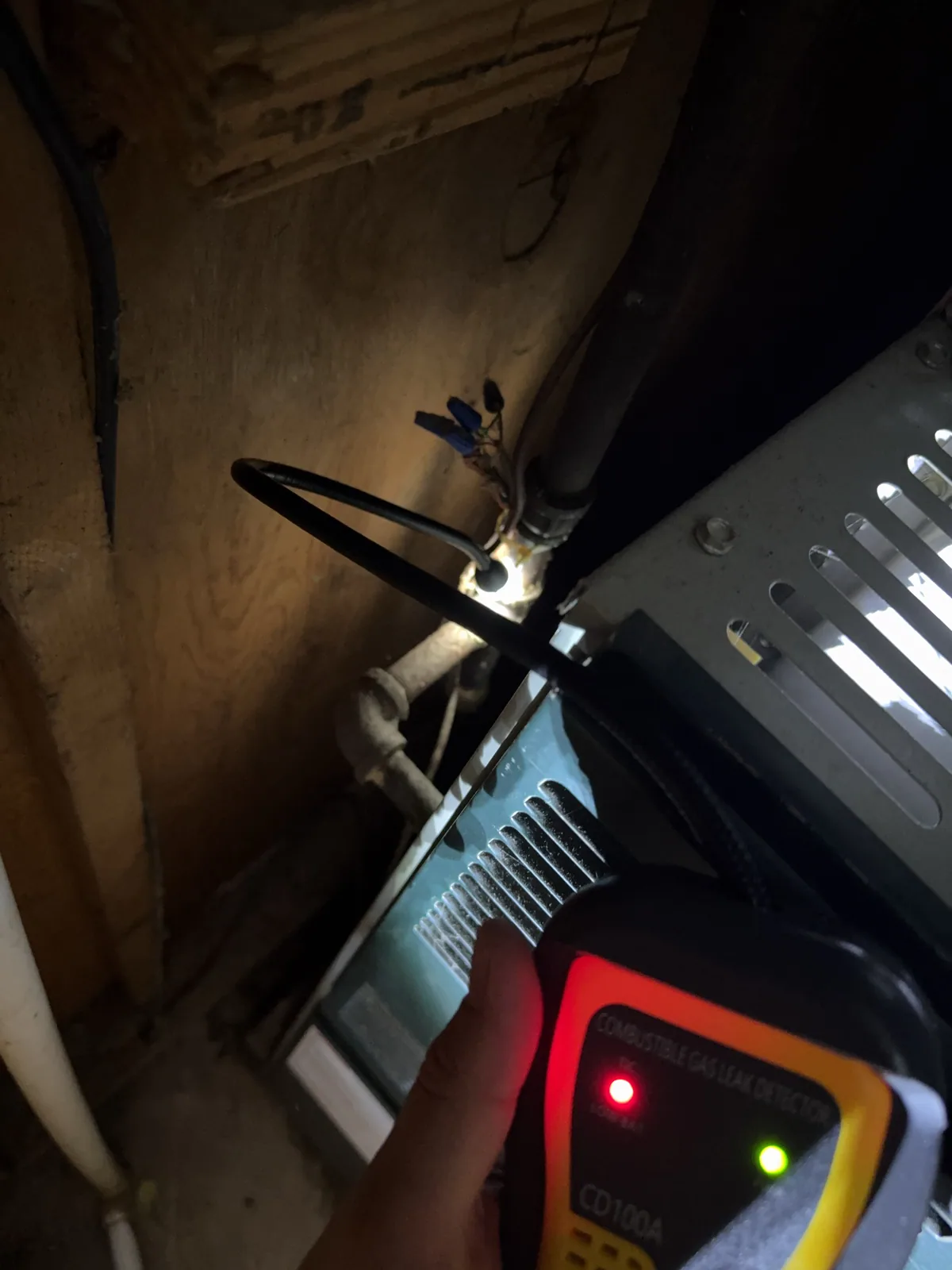
Gas Piping – Leak Detected at a Connection
A combustible gas detector responded at a gas piping connection, consistent with a leak at that joint. Escaping fuel gas is a fire hazard. The gas utility or a qualified plumber should evaluate and repair this promptly.
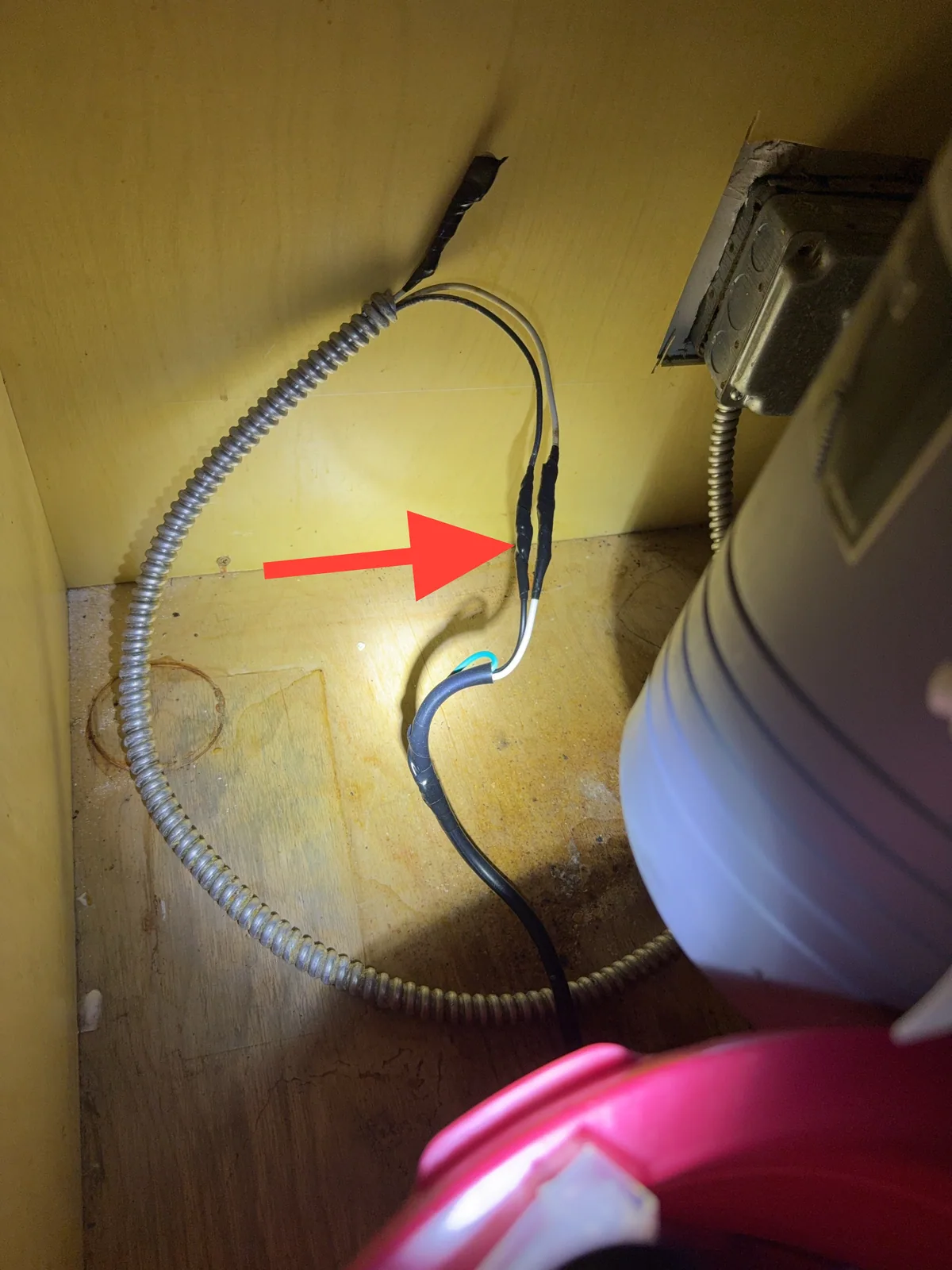
Food Waste Disposal – Wiring Spliced Outside a Box
The wiring serving the food waste disposal appears to be spliced outside a covered junction box beneath the sink. Unenclosed splices leave energized conductors exposed to contact and to the damp environment under a sink, which is a shock and fire hazard. A licensed electrician should enclose or replace the connection.