
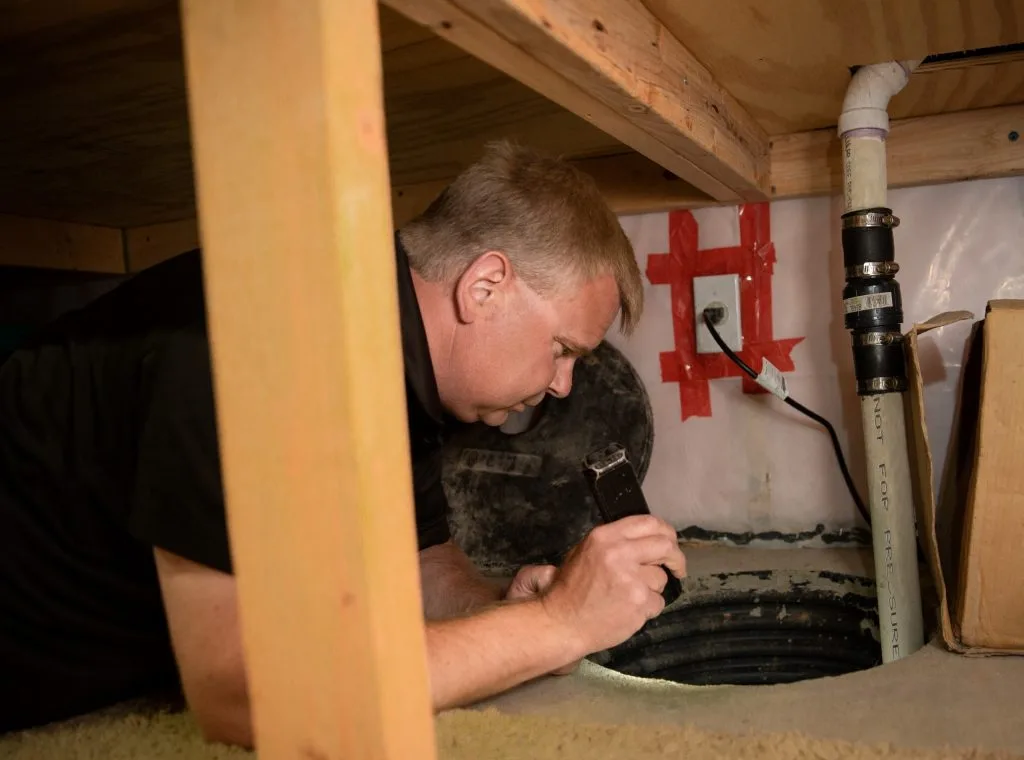
Wilmette is old North Shore housing — a great deal of it pre-1930, much of it substantial, and a fair amount of it sitting on deep basements in an area with a genuine history of storm and sanitary backup. The inspection here is about century-old building systems, what a hundred winters have done to masonry, and an honest read on water.
Book your Wilmette home inspection — pick a time online in about two minutes. Weekend inspections available.
We are a licensed Illinois home inspection entity (License 451.001520). Every inspection includes thermal imaging at no additional charge, and your full photo report arrives within one business day.
Century-old systems
- Knob-and-tube wiring surviving in unrenovated attics and walls. Treat it as an insurance question first — many carriers will not write over it — and a safety question second.
- Steam and hot-water boilers, some very old and still working. We check the safety controls: low-water cutoff, pressure relief, expansion.
- Slate and clay tile roofs, which outlast everything around them but fail at the flashings and cost several times an asphalt roof to repair properly.
- Galvanized supply piping closing from the inside.
- Lead water service lines, a live question in housing this old. We flag what is visible at the meter; the water utility is the authority on what runs under the parkway.
Solid masonry and a hundred winters
Much of Wilmette is solid masonry rather than veneer over frame, and it manages water differently. A veneer wall drains behind the brick; a solid wall absorbs and releases. Failed tuckpointing is therefore not cosmetic — it is the wall taking on water it has to give back somewhere, usually into a plaster interior. We look for spalling faces and deteriorated joints on the weather elevations, matching staining and efflorescence inside, and sandblasting damage from a mid-century cleaning that stripped the fired face off the brick and left it drinking water ever since.
Water, and the deep basement problem
This area has a real history of basement backup in heavy rain, and Wilmette basements tend to be deep and finished — which is the expensive combination. The evidence usually outlasts the water.
We look for an overhead sewer conversion or a backwater valve, both of which mean somebody spent real money on a real problem; whether the valve is accessible for servicing; whether the ejector pit is sealed and vented; whether the sump cycles and where it discharges. Then the ordinary causes — downspouts at the foundation, grading settled back over decades, window wells with no drainage.
Renovations and conversions
A large share of this housing has been renovated, sometimes repeatedly. We look for the tells: bedrooms below grade without proper egress, bathrooms added over cut joists, HVAC serving a space it was never sized for, and new finishes stopping abruptly where a permit inspector would have looked. Thermal imaging is genuinely useful in renovated houses — it shows skipped insulation and wet walls without opening them.
Radon and sewer
Radon is common across northern Illinois — this is glacial till, and elevated readings are ordinary rather than exotic. Illinois requires sellers to disclose what they know but does not require anyone to test, so a blank disclosure means only that nobody has looked. We are IEMA-licensed and test with continuous monitors rather than charcoal kits, which gives you hour-by-hour data instead of one averaged number — the difference matters when a result lands near the 4.0 pCi/L action level and you have to negotiate on it.
Sewer laterals here are old, frequently clay tile, and the mature parkway trees have had a century to work on the joints. Given the backup history, Wilmette is among the strongest cases for a sewer scope anywhere we work.
Common questions
The house is in a historic district. Does that change the inspection?
Not the inspection, but your options afterward. Window replacement, roofing material and exterior alterations can be constrained, which affects both the cost and the feasibility of repairs we identify. Confirm the property’s status with the village before budgeting from our report.
Can you inspect on a weekend?
Yes. We do not schedule evenings.
What the inspection does not include
A home inspection is a visual, non-invasive evaluation of the systems accessible on the day of the inspection. We do not open walls, move stored belongings, dismantle equipment, or predict how long a component will last. We do not inspect septic systems or test well water. We also do not perform the structural engineering analysis some findings call for. A sewer scope needs an accessible cleanout; standing water or an inaccessible line limits what the camera can show.
We do not perform repairs, sell remediation, or take referral fees. We measure and interpret; you decide what to do about it.
What the inspection covers: every inspection we perform in Wilmette follows the same scope. See our home inspection services and what each one covers — pre-purchase, pre-listing, new construction, condo and multi-unit — plus in-house radon, mold, and sewer scope testing.
Nearby areas we inspect: Evanston, Skokie, Glenview, Northbrook. If you are looking in more than one area, the same inspector and the same scope apply to all of them.
Schedule a Wilmette home inspection
Book your Wilmette home inspection online. Tell us the address and whether you want radon, mold, or a sewer scope added, and we will confirm the time and what the inspection will cover.