Buying a condo in Chicago sparks both excitement and nerves. Every detail matters, and skipping a proper inspection can feel like rolling the dice on your future. Yet a staggering 88 percent of home buyers invest in professional inspections, showing just how crucial these evaluations really are. The real surprise is that a condo inspection goes far beyond just your own unit, revealing not only what lurks behind your walls but the hidden risks and shared responsibilities woven throughout the entire building.
Table of Contents
- What Is A Condo Inspection And Its Purpose?
- Why Condo Inspections Matter For Home Buyers
- Key Components Of A Condo Inspection Explained
- How Condo Inspections Differ From Home Inspections
- Real-World Implications Of Condo Inspections For Buyers
Quick Summary
| Takeaway | Explanation |
|---|---|
| Condo inspections are essential for buyers. | They provide comprehensive assessments that reveal a property’s true condition and highlight maintenance needs before purchase. |
| Focus on shared property systems. | Inspectors evaluate both individual unit conditions and common areas, crucial for understanding overall property health. |
| Understand financial implications. | Inspections help estimate repair costs and future maintenance expenses, protecting buyers from unexpected financial burdens. |
| Seek detailed inspection reports. | A thorough written evaluation ensures transparency about the property’s condition and potential liabilities. |
| Negotiate effectively based on findings. | Knowledge gained from inspections allows buyers to address repair costs and considerations in purchase negotiations. |
What is a Condo Inspection and Its Purpose?
A condo inspection is a comprehensive professional assessment of a condominium’s physical condition, designed to help potential buyers understand the property’s overall state and identify potential issues before finalizing their purchase. Unlike standard home inspections, condo inspections have unique considerations due to the shared nature of condominium ownership and complex building structures.
Understanding the Inspection Scope
Condo inspections go beyond a standard visual walkthrough. Certified home inspectors meticulously examine both the interior unit and accessible common areas to provide a detailed evaluation. This process involves thoroughly checking critical systems and structural components to reveal potential problems that might not be immediately apparent.
Key Areas Typically Examined During a Condo Inspection:
- Interior unit electrical systems
- Plumbing and water pressure
- Heating and cooling functionality
- Structural integrity of walls and floors
- Window and door conditions
- Evidence of water damage or moisture issues
According to Massachusetts Board of Registration of Home Inspectors, a professional inspection must provide a comprehensive written evaluation of readily accessible components, ensuring buyers receive a detailed assessment of the property’s condition.
Why Condo Inspections Matter
For Chicago area condo buyers, an inspection represents a critical protective measure. It transforms an emotional real estate purchase into an informed decision backed by professional expertise. By uncovering potential maintenance requirements, structural concerns, or hidden defects, buyers can negotiate repair costs, budget for future maintenance, or potentially reconsider their purchase.
The inspection report serves multiple crucial purposes: it provides transparency about the unit’s condition, helps estimate potential repair costs, and offers peace of mind during what can be an overwhelming purchasing process. Professional inspectors from Chicago Home Inspect LLC understand the nuanced challenges of condo evaluations and provide detailed, actionable insights that empower buyers to make confident decisions.
Why Condo Inspections Matter for Home Buyers
Condo inspections are far more than a routine checkbox in the home buying process. They represent a critical investment in understanding the true condition of a property, offering potential buyers a comprehensive view of their future home’s health and potential financial implications.
Financial Protection and Risk Mitigation
Purchasing a condominium involves significant financial commitment. A professional inspection helps buyers avoid unexpected repair costs and understand potential future maintenance expenses. By revealing hidden issues before finalizing the purchase, buyers can make informed decisions about their investment.
Critical Financial Considerations During a Condo Inspection:
- Identifying potential structural problems
- Uncovering hidden maintenance requirements
- Estimating future repair and replacement costs
- Revealing potential safety hazards
- Understanding the overall property condition
According to the National Association of Realtors, 88% of home buyers opt for professional inspections, underscoring the critical role these assessments play in protecting financial interests.
Understanding Shared Ownership Complexities
Condominiums present unique challenges due to their shared ownership structure. Unlike single-family homes, condo inspections must consider both individual unit conditions and broader building systems. This dual focus helps buyers comprehend potential issues that might impact their unit through shared infrastructure or community maintenance practices.
Professional inspectors examine not just the individual unit but also assess common areas, mechanical systems, and structural elements that could influence the property’s long-term value and livability. This comprehensive approach provides buyers with a holistic understanding of their potential investment, revealing nuanced details that might escape an untrained eye.
For Chicago area home buyers, a thorough condo inspection represents more than a procedural step. It is a strategic approach to understanding a complex real estate investment, providing peace of mind and financial protection in an increasingly competitive housing market.
Key Components of a Condo Inspection Explained
A comprehensive condo inspection encompasses multiple systems and structural elements that collectively determine the property’s overall condition and potential future maintenance requirements. Professional inspectors systematically evaluate these critical components to provide buyers with a detailed understanding of their potential investment.
Structural and Interior System Evaluation
The structural assessment forms the foundation of a thorough condo inspection. Inspectors meticulously examine the unit’s interior and structural integrity, focusing on elements that could compromise the property’s safety and longevity.
Critical Structural Components Examined:
- Foundation and load-bearing walls
- Ceiling and floor structural integrity
- Window and door frame conditions
- Signs of water damage or moisture intrusion
- Potential structural settling or movement
According to the City of Lynchburg Housing Inspection Guidelines, a comprehensive inspection requires detailed evaluation of both exterior and interior structural elements to ensure comprehensive property assessment.
Mechanical and Utility Systems Analysis
Beyond structural components, condo inspections delve into the complex network of mechanical and utility systems that ensure comfortable and safe living conditions. These systems represent significant potential investment and maintenance considerations for prospective buyers.
Key Mechanical Systems Inspected:
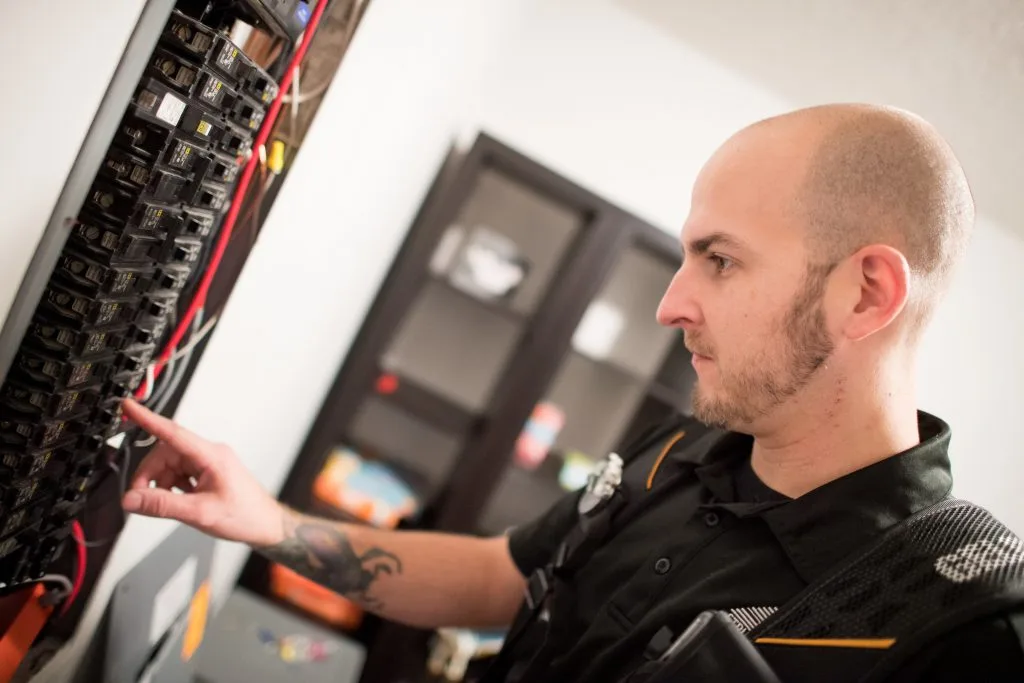
- Electrical wiring and panel conditions
- Heating and cooling system functionality
- Plumbing infrastructure and water pressure
- Ventilation and air circulation systems
- Potential energy efficiency limitations
Professional inspectors from Chicago Home Inspect LLC understand that these systems are not merely technical components but critical indicators of the property’s overall health and potential long-term performance. By providing detailed insights into these intricate systems, buyers can make informed decisions about their potential investment and anticipate future maintenance requirements.
The table below summarizes critical mechanical and utility systems typically evaluated during a condo inspection, highlighting their importance and the types of issues inspectors look for.
| System | What Inspectors Evaluate | Importance for Buyers |
|---|---|---|
| Electrical | Wiring, panel condition, safety | Identify fire/electrical hazard risks |
| Heating & Cooling | Functionality, age, maintenance | Comfort and potential system replacement costs |
| Plumbing | Pipes, water pressure, leak signs | Water damage prevention and repair costs |
| Ventilation | Airflow, system integrity | Indoor air quality and mold/moisture prevention |
| Energy Efficiency | Insulation, system performance | Potential for high utility or upgrade costs |
How Condo Inspections Differ from Home Inspections
While home and condo inspections share fundamental goals of assessing property condition, they diverge significantly in scope, approach, and complexity. Understanding these differences is crucial for potential buyers navigating the unique landscape of condominium ownership.
Ownership Structure Complexities
The primary distinction between condo and home inspections stems from the fundamentally different ownership models. Single-family home inspections focus exclusively on the individual property, whereas condo inspections must navigate the intricate landscape of shared ownership and collective maintenance responsibilities.
Key Ownership Considerations:
- Individual unit boundaries and common area definitions
- Shared building systems and infrastructure
- Homeowners association (HOA) maintenance responsibilities
- Complex legal and maintenance boundaries
- Interdependence of unit systems with building-wide infrastructure
According to Community Associations Institute, condo inspections require a more nuanced evaluation that extends beyond individual unit boundaries, considering the interconnected nature of condominium living.
Inspection Scope and Limitations
Condo inspections differ dramatically in their comprehensive assessment. Unlike standalone home inspections, these evaluations must balance individual unit examination with an understanding of shared building systems and potential community-wide maintenance issues.
Unique Condo Inspection Considerations:
- Assessment of common area conditions
- Evaluation of building-wide mechanical systems
- Understanding HOA maintenance records
- Identifying potential special assessment risks
- Examining shared structural elements
Professional inspectors from Chicago Home Inspect LLC recognize that condo inspections require a more holistic approach. They meticulously examine not just the individual unit, but also the broader context of building systems, community maintenance practices, and potential collective infrastructure challenges that could impact the property’s value and livability.
To help clarify the main differences between condo and home inspections, the following table compares their ownership structures and inspection scopes.
| Category | Condo Inspection | Home Inspection |
|---|---|---|
| Ownership Structure | Includes shared ownership and common areas | Individual ownership of property |
| Inspection Focus | Individual unit plus shared building systems and areas | Entire standalone property |
| Maintenance Responsibility | Split between owner and HOA | Solely owner’s responsibility |
| Common Areas Examined | Yes, by necessity | No, not applicable |
| HOA Involvement | Requires review of HOA rules, maintenance, and documentation | Not applicable |
Real-World Implications of Condo Inspections for Buyers
Condo inspections extend far beyond a simple property assessment. They represent a critical safeguard that can significantly impact a buyer’s financial future, legal obligations, and overall investment strategy. Understanding these real-world implications helps potential buyers make informed decisions in a complex real estate landscape.
Financial Risk Management
A comprehensive condo inspection serves as a financial risk mitigation tool. By uncovering potential structural, maintenance, and system-related issues, buyers can anticipate future expenses and negotiate more effectively during the purchase process.
Potential Financial Implications Revealed During Inspections:
- Estimated cost of necessary repairs
- Potential special assessment requirements
- Long-term maintenance budget planning
- Hidden structural damage repair costs
- Potential impact on property resale value
According to the Healey-Driscoll Administration’s Home Inspection Policy, protecting buyers’ rights to thorough property inspections is crucial in preventing unexpected financial burdens.
Legal and Insurance Considerations
Condo inspections provide critical insights into potential legal and insurance implications. The detailed report can reveal compliance issues, safety concerns, and potential liability risks that might not be immediately apparent during a standard property viewing.
Key Legal and Insurance Factors:
- Identification of potential building code violations
- Assessment of safety and structural integrity
- Understanding insurance coverage limitations
- Revealing potential liability risks
- Documenting pre-existing conditions
Professional inspectors from Chicago Home Inspect LLC recognize that these detailed assessments are more than technical evaluations. They are strategic tools that empower buyers to make well-informed decisions, protecting their financial and legal interests in an increasingly complex real estate market.
Secure Your Condo Investment with Expert Inspection Services
Worried about hidden problems or unexpected repair bills in your condo purchase? The article highlighted how condo inspections are essential for revealing issues like faulty electrical systems, water damage, and shared building challenges. As a buyer, you deserve a thorough evaluation that identifies risks, safeguards your finances, and gives you real peace of mind.
Do not let unknowns compromise your future. Schedule a Buyer Pre-Purchase Inspection with Chicago Home Inspector today. Our licensed and InterNACHI certified professionals specialize in condo assessments for Chicago and the suburbs. We also offer General Consultations and Mold Testing so you can address every concern before you commit. Book your inspection at https://www.chicagohomeinspector.com/schedule and move forward with confidence. Availability is limited, so act now to protect your investment.
Frequently Asked Questions
What is a condo inspection?
A condo inspection is a professional assessment of a condominium’s physical condition, focusing on both the individual unit and common areas to identify potential issues before purchase.
Why are condo inspections important for buyers?
Condo inspections help buyers avoid unexpected repair costs, understand future maintenance expenses, and make informed decisions about their investment, ensuring financial protection.
How do condo inspections differ from home inspections?
Condo inspections differ from home inspections in that they assess shared ownership and community systems, in addition to the individual unit, due to the complexities of condominium living.
What key components are typically examined during a condo inspection?
Key components include the structural integrity of the unit, mechanical systems like electrical and plumbing, and the condition of shared areas, all of which contribute to the overall evaluation of the property.