
You’ve found a home you love, the layout works, the location is perfect—but something feels off. Maybe it’s freshly painted patches in the basement, brand-new caulking around the bathtub, or flooring that looks a little too new in just one room. These so-called “repairs” might be legitimate, but sometimes they’re red flags.
As a buyer, what do you do when it feels like the seller is covering something up?
Let’s walk through the steps you should take to protect yourself—and your wallet—when you suspect the seller may be hiding an issue.
Why Sellers Might Try to Cover Things Up
In a competitive market, sellers want to make their home look as appealing as possible. Some will touch up minor flaws, which is totally normal. But others may:
- Paint over water stains without addressing the underlying leak
- Seal foundation cracks cosmetically without stabilizing the structure
- Replace damaged flooring without fixing the cause (e.g., moisture or pests)
- Install new caulking in a bathroom with chronic leaks
These fixes may look clean, but if they’re masking a problem rather than solving it, you could be inheriting a hidden issue.
Step 1: Trust Your Gut, But Get Evidence
You don’t need to be a building expert to notice when something seems too good to be true. If your intuition is telling you something feels off, don’t ignore it.
Make note of:
- Areas with unusual paint touch-ups or fresh drywall
- One-off repairs in specific rooms or corners
- Strong scents or excessive use of air fresheners, which may be masking mold or pet damage
- New panels or finishes that don’t match surrounding materials
These signs alone don’t prove wrongdoing, but they give you reason to dig deeper.
Step 2: Hire a Detail-Oriented Home Inspector
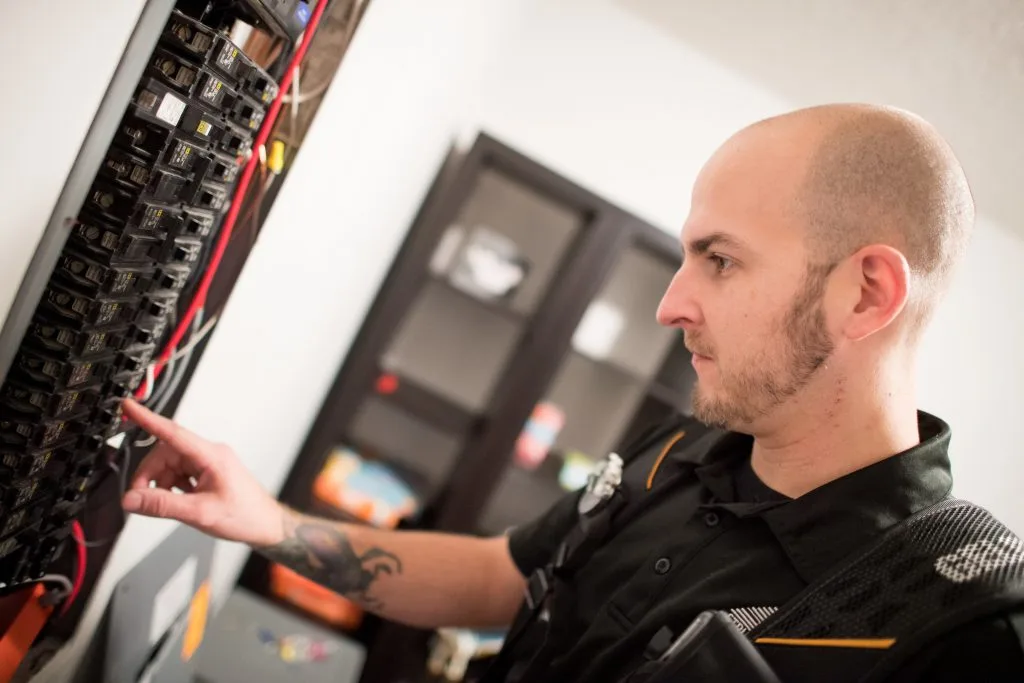
This is where a seasoned home inspector earns their keep. Let your inspector know you have concerns about certain areas or recent repairs. A good inspector will:
- Look past surface-level repairs and test for deeper issues
- Use tools like moisture meters, thermal imaging, or infrared cameras to identify what’s beneath the surface
- Check for code compliance and flag DIY repairs
For example, if the basement was recently painted, your inspector can check moisture levels in the wall to see if there’s still a leak behind it.
Step 3: Ask for Documentation
If a seller claims repairs were done, ask for receipts, contractor information, and warranties. Legitimate repairs usually come with paperwork.
Key questions to ask:
- Who performed the work?
- Was the issue corrected or just cosmetically addressed?
- Was a licensed professional involved?
- Is there a warranty?
If the seller can’t or won’t provide details, that’s a red flag.
Step 4: Bring In a Specialist If Needed
Sometimes your home inspector will find an issue that warrants a second opinion. In these cases, it’s smart to bring in:
- A structural engineer for potential foundation or framing issues
- A plumber for suspected leaks behind finished walls
- A roofer to evaluate possible cover-ups with shingles or flashing
- A mold or moisture remediation specialist if water damage is suspected
These professionals can give you a more definitive answer—and in some cases, a repair estimate to use in negotiations.
Step 5: Use Your Inspection Contingency Wisely
If you haven’t waived your inspection contingency, this is your leverage point.
Based on your inspector or specialist’s findings, you can:
- Ask the seller to repair the issue properly
- Request a credit or price reduction to cover the future cost
- Walk away if the problem is too big or the seller won’t cooperate
Sometimes the best negotiating tool is being willing to walk. If the seller knows you’re not desperate, they’re more likely to come to the table.
Step 6: Document Everything for Your Records
Keep a detailed file of:
- Photos from your walk-through and inspection
- The inspection report and any addendums
- Emails or texts from the seller or agent about past repairs
This can protect you if you uncover a serious issue after closing. In extreme cases, it could support legal action for failure to disclose.
What If You Discover a Cover-Up After You Buy?
It’s a tough situation, but not hopeless. If you find out post-closing that a seller knowingly concealed a defect, you may have recourse through:
- Disclosure laws (varies by state)
- Small claims court for minor repair costs
- A real estate attorney for significant issues and potential fraud
This is another reason why documentation and a thorough inspection are essential.
Final Thoughts: Trust But Verify
Not all fresh paint or shiny caulk is cause for concern—but when something feels fishy, follow your instincts and get the facts.
The home buying process can be emotional, but your job is to stay objective, ask questions, and protect your investment. Repairs are only as good as what they’re covering (or not covering) up.