

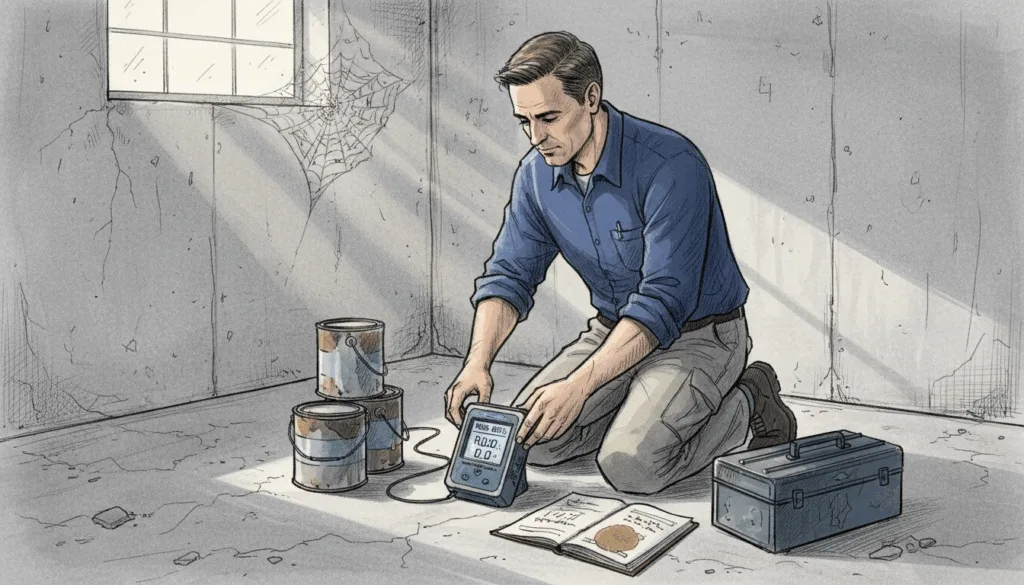
Every winter, American homeowners in Chicago risk expensive repairs due to ice dams, with some repairs costing over $5,000 each season. This local hazard sneaks up on even the most prepared buyers and realtors, causing water leaks and structural damage that impact long-term property value. Understanding how these ice formations start and what puts your home at risk will help you avoid costly mistakes and safeguard your investment as temperatures drop.
Table of Contents
- What Are Ice Dams And How They Form
- Key Causes Of Ice Dams In Chicago Homes
- Warning Signs And Hidden Ice Dam Damage
- Preventing Ice Dams: Essential Steps For Homeowners
- Safe Ice Dam Removal And Common Mistakes To Avoid
- Insurance, Costs, And Homeowner Responsibilities
What Are Ice Dams And How They Form
Ice dams pose a significant threat to Chicago area homes during winter months, creating potential structural damage that can be expensive and frustrating for homeowners. These frozen ridges form along roof edges when snow melts and refreezes, creating a complex problem rooted in heat dynamics and home insulation.
The formation of ice dams involves a precise sequence of meteorological and structural conditions. When snow accumulates on a roof, uneven temperatures cause problematic melting patterns. Typically, heat escaping from the attic warms the roof surface above freezing, causing underlying snow to melt. As this melted water travels downward, it reaches the colder roof overhangs or eaves where temperatures remain below freezing, causing an immediate refreeze.
Ice dam formation requires three critical ingredients:
- Accumulated snow on the roof
- Temperatures varying above and below freezing
- Heat loss from the home’s interior
This process creates a progressive ice barrier that prevents subsequent snowmelt from properly draining, forcing water to back up and potentially leak into interior spaces. The trapped water can penetrate beneath shingles, leading to potential damage to walls, ceilings, insulation, and structural elements. In Chicago’s harsh winter climate, these conditions are particularly common in older homes with inadequate attic insulation or poor ventilation.
Pro tip: Regularly inspect your roof’s snow coverage and check for early signs of uneven melting to prevent ice dam formation before significant damage occurs.
Key Causes Of Ice Dams In Chicago Homes
Ice dams are a pervasive winter challenge for Chicago homeowners, with several critical factors contributing to their formation. Understanding these causes is essential for protecting your home from potential structural damage and costly repairs. Attic heat loss plays a primary role in creating the conditions that lead to ice dam development, making home insulation and ventilation key prevention strategies.
The most significant cause of ice dams in Chicago homes stems from heat escaping from living spaces into poorly insulated or unsealed attics. This heat transfer creates uneven roof temperatures, causing snow to melt inconsistently. Specific contributing factors include:
- Low attic insulation R-values
- Air leaks around electrical fixtures
- Unsealed penetrations in the attic ceiling
- Improperly routed ductwork
- Chimney penetrations that allow heat transfer
Roof design and architectural features also significantly impact ice dam formation. Roof valleys, complex overhangs, and edges that extend beyond heated living spaces create cold spots where melted snow can rapidly refreeze. Chicago’s unique winter climate, characterized by repeated freeze-thaw cycles, exacerbates these structural vulnerabilities. Older homes are particularly susceptible, as they often lack modern insulation techniques and have more opportunities for heat escape.
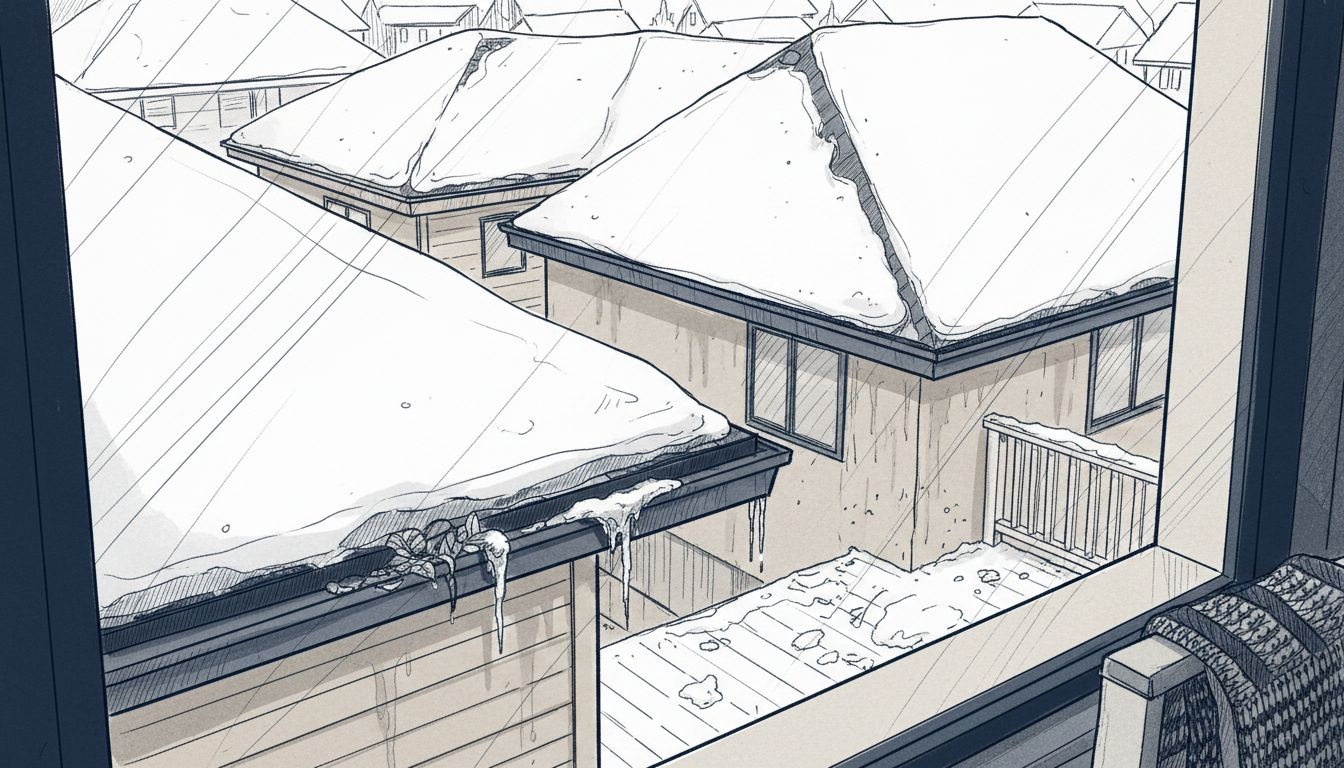
Here’s a comparison of common ice dam risks and their long-term impacts on Chicago homes:
| Risk Factor | Typical Damage | Long-Term Impact | Prevention Priority |
|---|---|---|---|
| Attic heat loss | Roof leaks | Structural wood rot | Very high |
| Poor ventilation | Moisture buildup | Insulation degradation | High |
| Complex roof design | Water seepage | Mold and mildew formation | Moderate |
| Old insulation | Wall stains | Increased energy bills | Very high |
| Solar heat gain | Uneven refreezing | Hidden water penetration | Moderate |
Meanwhile, external factors like solar heat gain can also contribute to the ice dam problem. Sunlight warming specific roof areas creates localized melting, which then refreezes when reaching colder sections. This complex interaction between home design, external temperatures, and structural heat dynamics makes ice dams a nuanced challenge for Chicago homeowners.
Pro tip: Conduct an annual attic inspection before winter to identify and seal potential air leaks, ensuring your home’s thermal envelope remains intact and energy-efficient.
Warning Signs And Hidden Ice Dam Damage
Ice dams can wreak significant havoc on Chicago homes, often causing damage that remains hidden until substantial structural problems emerge. Homeowners must learn to recognize the subtle warning signs of ice dam damage before costly repairs become inevitable, which typically manifest in several key areas of your home’s interior and exterior.
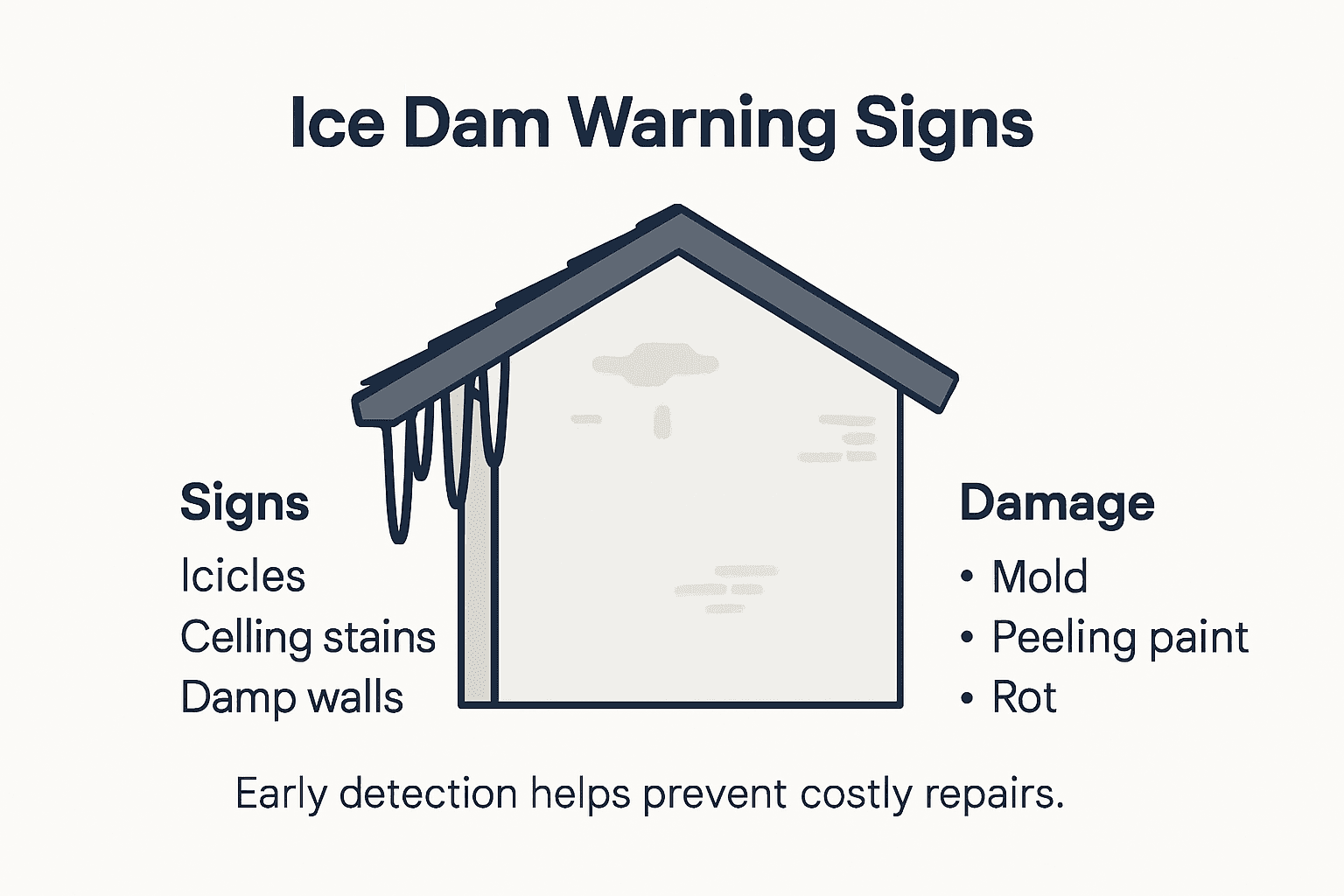
Visible warning signs of potential ice dam damage include:
- Large icicles hanging from roof edges
- Water stains on ceilings and walls
- Peeling paint or wallpaper
- Unexplained dampness near wall and ceiling intersections
- Musty odors in attic spaces
The most dangerous aspects of ice dam damage occur beneath surface materials, where moisture can silently compromise structural integrity. Water forced underneath roof shingles can travel significant distances, causing wood rot, insulation degradation, and creating ideal conditions for mold growth. In Chicago’s older homes with complex roof designs, these hidden damages can accumulate over multiple winter seasons, potentially leading to thousands of dollars in unexpected repairs.
Mold growth represents a particularly insidious consequence of ice dam damage. As moisture penetrates wall cavities and attic spaces, it creates a breeding ground for potentially harmful microorganisms that can compromise both structural materials and indoor air quality. Homeowners might not notice these issues until significant damage has already occurred, making early detection and prevention crucial for maintaining a healthy living environment.
Pro tip: Conduct a thorough infrared roof scan during winter to detect temperature variations that might indicate potential ice dam formation before visible damage occurs.
Preventing Ice Dams: Essential Steps For Homeowners
Protecting your Chicago home from ice dams requires a strategic approach that addresses the root causes of winter roof damage. Homeowners can effectively prevent ice dam formation by implementing a comprehensive attic and roof insulation strategy, targeting the key sources of heat loss and moisture buildup.
Essential prevention steps include:
- Seal all air leaks in the attic, focusing on:
- Gaps around electrical fixtures
- Openings near pipe and wire penetrations
- Attic access points
- Recessed lighting installations
- Add insulation above current building code minimums
- Ensure proper attic ventilation to maintain consistent roof temperatures
- Install roof and soffit vents to create airflow
- Remove heat-generating sources from the attic space
Chicago homeowners should pay special attention to their specific home’s architectural design. Older homes in neighborhoods like Lincoln Park or Bucktown often have complex roof structures that can exacerbate ice dam risks. Inspect your roof’s specific features, including valleys, overhangs, and edges that might trap snow and create uneven heating patterns. Professional energy audits can provide detailed insights into your home’s unique thermal performance and identify specific vulnerabilities.
Additionally, consider implementing physical barriers such as heated roof cables and ensuring proper gutter maintenance. These supplementary measures can provide an extra layer of protection against ice dam formation, particularly during Chicago’s most challenging winter months.
Pro tip: Schedule a professional energy audit before winter to identify and seal potential heat loss points, potentially saving hundreds of dollars in future repair costs.
Safe Ice Dam Removal And Common Mistakes To Avoid
Removing ice dams from Chicago homes requires careful strategy and understanding of potential risks. Homeowners must approach ice dam removal with precision to prevent costly roof damage and personal injury, utilizing methods that protect both the structural integrity of their home and their personal safety.
Safe ice dam removal techniques include:
- Use a roof rake from ground level
- Apply calcium chloride de-icing agents in mesh bags
- Install heat cables properly and professionally
- Maintain a six-foot clearance from roof edges
- Work only from ground level
Critical mistakes to avoid during ice dam removal involve using destructive tools or attempting risky removal methods. Climbing onto icy roofs, using sharp implements like shovels or axes, and applying direct heat can cause significant structural damage. Homeowners should never attempt to chop or break ice manually, as this can puncture shingles, damage underlying roofing materials, and create potential entry points for water intrusion.
Professional intervention becomes crucial when ice dams are extensive or when homeowners lack proper equipment. Chicago’s unpredictable winter conditions can create complex ice formations that require specialized knowledge and tools. Some professional services use steam removal techniques that safely melt ice without causing structural harm, providing a comprehensive solution that protects your home’s long-term integrity.
Use this reference table to understand professional vs. DIY ice dam removal approaches:
| Approach | Key Benefit | Biggest Risk | Recommended For |
|---|---|---|---|
| Professional | Safe, comprehensive removal | Higher upfront cost | Large/complex dams |
| DIY–Roof rake | Immediate snow reduction | Personal injury risk | Small, accessible areas |
| DIY–De-icers | Chemical effectiveness | Potential plant damage | Targeted trouble spots |
| DIY–Heat cables | Prevents future formation | Installation hazards | Ongoing roof protection |
Pro tip: Invest in a quality roof rake with an extended handle and practice safe ground-level snow removal techniques to proactively prevent ice dam formation.
Insurance, Costs, And Homeowner Responsibilities
Ice dam damage presents complex financial and legal considerations for Chicago homeowners, requiring careful understanding of insurance coverage and personal maintenance obligations. Standard homeowners insurance policies typically cover water damage resulting from ice dams, subject to specific policy conditions and deductibles, making proactive prevention and documentation crucial for successful claims.
Homeowner responsibilities for preventing ice dam damage include:
- Maintaining proper attic insulation
- Ensuring consistent roof ventilation
- Conducting regular roof and gutter inspections
- Addressing potential heat loss points
- Documenting maintenance efforts
Insurance claims for ice dam damage require comprehensive evidence of responsible home maintenance and prompt repair efforts. Insurers carefully evaluate whether damage resulted from sudden incidents or gradual neglect. Homeowners must demonstrate they’ve taken reasonable steps to prevent structural damage, which includes maintaining appropriate insulation levels, sealing potential air leaks, and addressing any existing roof or attic ventilation issues.
The potential financial impact of ice dam damage can be significant, with repair costs ranging from hundreds to thousands of dollars depending on the extent of structural harm. Deductibles, potential increases in insurance premiums, and out-of-pocket expenses for repairs can create substantial financial strain. Chicago homeowners should anticipate these potential costs by maintaining comprehensive documentation of home maintenance, understanding their specific insurance policy details, and investing in preventative measures.
Pro tip: Photograph and document all home maintenance efforts and keep detailed records of roof and attic improvements to strengthen potential insurance claims.
Protect Your Chicago Home From Ice Dam Damage This Winter
Ice dams cause hidden damage by allowing water to seep into walls and ceilings. The article highlights how attic heat loss, poor insulation, and uneven roof temperatures feed this problem. If you want to avoid costly repairs and protect your home’s structure and indoor air quality you need expert insight into your attic conditions and roof vulnerabilities. Understanding these factors is the key to preventing ice dams before they start.
Our Home Inspection Services are designed to identify heat loss areas and potential ice dam risks that typical homeowners may miss. With licensed, InterNACHI certified inspectors serving Chicago and its suburbs you can trust our detailed reports on attic insulation, ventilation, and roof structure. Don’t wait until you see icicles or water stains schedule your inspection today to secure your home’s integrity. Learn more about how a Yearly Home Checkup can keep your winter damage risks low. Protect your investment and enjoy peace of mind this winter by booking now at https://www.chicagohomeinspector.com/schedule.
Frequently Asked Questions
What causes ice dams on roofs?
Ice dams form when snow on the roof melts due to heat loss from the home’s interior, and the melted water refreezes at the colder roof overhangs, creating a blockage.
How can I prevent ice dams from forming?
To prevent ice dams, seal air leaks in your attic, improve insulation, ensure adequate ventilation, and consider adding roof and soffit vents. Regular inspections can also help.
What are the signs of ice dam damage?
Warning signs include large icicles hanging from the roof, water stains on ceilings, peeling paint, unexplained dampness, and musty odors in the attic area.
Is homeowners insurance coverage available for ice dam damage?
Yes, standard homeowners insurance usually covers water damage due to ice dams, but it’s essential to document maintenance efforts and understand your specific policy details.
Recommended
- 7 Winter Prep in Chicago: Hidden Maintenance Tasks Most Homeowners Miss | Chicago Home Inspect LLC
- Fall Home Maintenance Checklist | Chicago Home Inspector Tips
- gutter services deland fl – Resources | Larry’s Gutters
- How to Winterize HVAC System for Optimal Efficiency – HVAC Service and Repair | Louisville, KY | Project Heating & Cooling