

Most American homeowners in the Chicago suburbs are surprised to learn that nearly thirty percent of costly roof repairs are caused by hidden flashing failures. As you prepare for a home inspection or take on DIY maintenance, understanding how roof flashing works is crucial. These overlooked barriers do more than keep water out, they protect your investment from Chicago’s unforgiving climate swings and keep your home safe for years.
Table of Contents
- What Is Roof Flashing and Why It Matters
- Main Types of Roof Flashing Explained
- Common Materials Used for Roof Flashing
- How Roof Flashing Is Installed and Inspected
- Signs of Roof Flashing Failure and Risks
- Maintenance Tips and Common Pitfalls
What Is Roof Flashing and Why It Matters
Roof flashing is a critical protective layer in home construction that prevents water from infiltrating vulnerable areas where different building materials meet. In Chicago’s variable climate, with its freezing winters and humid summers, proper roof flashing installation becomes essential for maintaining your home’s structural integrity.
At its core, roof flashing consists of thin, impervious materials – typically metal like aluminum or galvanized steel – strategically placed around roof intersections, chimneys, vents, skylights, and other potential water entry points. These precision-cut pieces act as a protective barrier, redirecting water away from critical structural junctures and preventing moisture from seeping into your home’s interior walls, attic, and foundation. For Chicago homeowners, this means protecting against potential water damage that could compromise your property’s value and safety.
The importance of roof flashing cannot be overstated. Without proper flashing, water can gradually penetrate your roof’s layers, leading to extensive damage like wood rot, mold growth, and structural deterioration. In a city like Chicago, where temperature fluctuations can be dramatic, these moisture intrusion risks are amplified. Freeze-thaw cycles can cause existing small leaks to expand, creating increasingly significant damage over time. Professional home inspectors recommend regular roof flashing assessments to catch potential issues before they become costly repairs.
Pro tip: Schedule a professional roof flashing inspection every 3-5 years, especially after severe weather seasons, to catch and prevent potential water damage early in Chicago’s unpredictable climate.
Main Types of Roof Flashing Explained
Roof flashing isn’t a one-size-fits-all solution, but rather a complex system of specialized components designed to protect different architectural features. Various flashing types address specific water penetration challenges across different areas of a residential roof structure.
One of the most common types is step flashing, which is critically important where roof planes intersect with vertical walls. In Chicago’s residential neighborhoods, step flashing works by creating a series of overlapping metal pieces that guide water away from vulnerable wall-roof connection points. Each individual piece of step flashing is strategically placed under shingles, allowing for slight building movement without compromising water resistance. Another essential type is valley flashing, which manages water flow at roof intersections where two roof planes meet, preventing water accumulation and potential leakage.
Additional specialized flashing types include chimney flashing and vent pipe flashing. Chimney flashing involves two key components: base flashing installed around the chimney’s bottom and counter-flashing that overlaps and provides an additional protective layer. Vent pipe flashing creates a waterproof seal around roof penetrations like plumbing vents, ensuring no moisture can enter through these critical openings. For Chicago homeowners, understanding these different flashing types is crucial for maintaining a robust, leak-resistant roof that can withstand the city’s challenging weather conditions.
Pro tip: When inspecting roof flashing, look for signs of rust, cracking, or separation between flashing pieces, which can indicate potential water intrusion risks.
Here’s a summary of the main roof flashing types and their primary function:
| Flashing Type | Key Location | Main Purpose |
|---|---|---|
| Step Flashing | Roof-to-wall junctions | Guides water away from corners |
| Valley Flashing | Roof intersections | Manages intense water runoff |
| Chimney Flashing | Around chimneys | Seals against large penetrations |
| Vent Pipe Flashing | Around roof vents | Prevents leaks at pipe entries |
Common Materials Used for Roof Flashing
Roof flashing materials have evolved significantly, with modern solutions offering unprecedented protection against water intrusion. Metal flashing materials are selected based on critical corrosion resistance and durability requirements) for protecting building structures in challenging environments like Chicago.
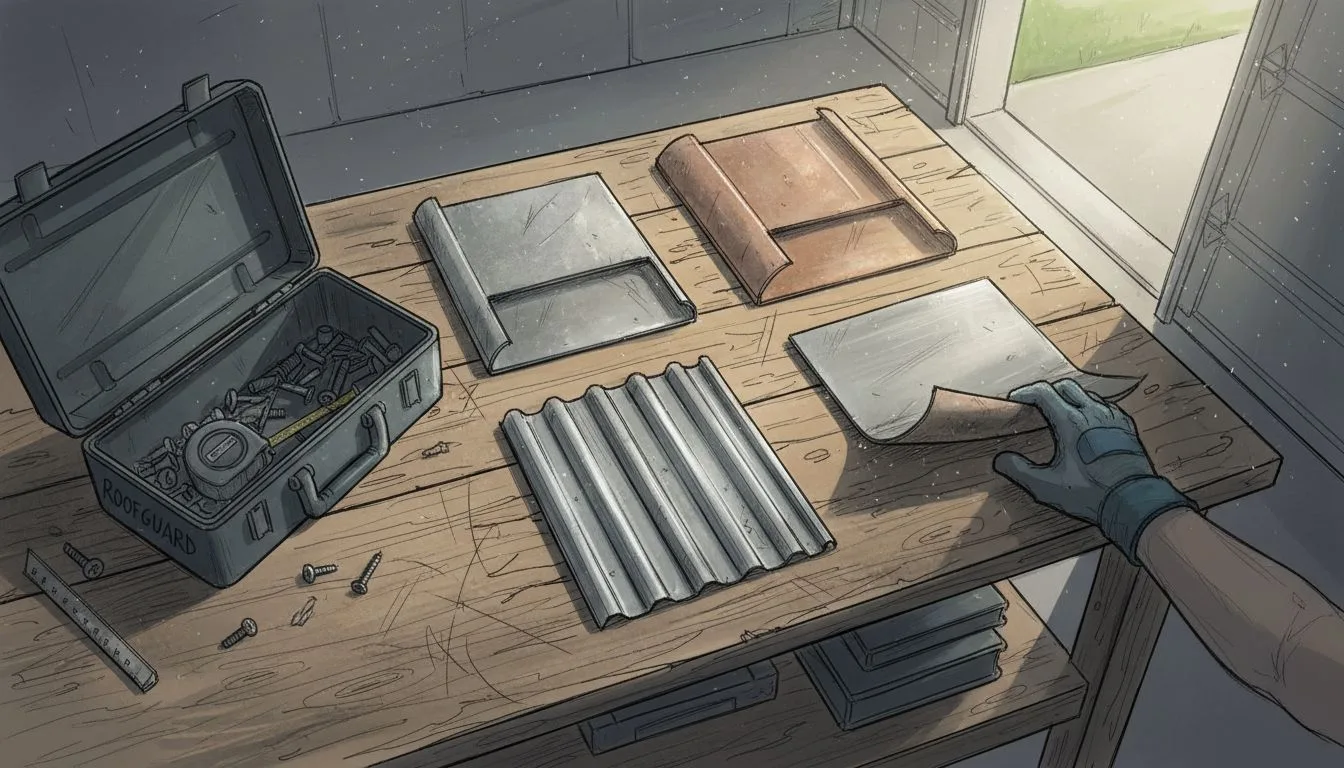
Four primary metal options dominate the roof flashing landscape: aluminum, copper, galvanized steel, and stainless steel. Aluminum stands out for residential applications due to its lightweight nature, corrosion resistance, and cost-effectiveness. Copper represents the premium choice, offering exceptional longevity and a distinctive aesthetic that ages beautifully with a natural patina. Galvanized steel provides robust durability and affordability, making it a popular option for budget-conscious Chicago homeowners. Stainless steel offers the highest corrosion resistance, though it comes at a premium price point.
Beyond metal options, specialized coating technologies have revolutionized flashing performance. Some modern flashings incorporate advanced polymer treatments that enhance weather resistance and extend material lifespan. These innovations are particularly crucial in Chicago’s extreme temperature fluctuations, where materials must withstand intense summer heat and brutal winter freezes. Homeowners should consider local climate conditions, roof pitch, and specific architectural features when selecting flashing materials to ensure optimal long-term protection.
Pro tip: Consult a professional home inspector to determine the most suitable flashing material for your specific roof configuration and Chicago neighborhood’s unique environmental challenges.
Compare the main roof flashing materials for easier selection:
| Material | Durability | Cost Level | Appearance Impact |
|---|---|---|---|
| Aluminum | Good, resists rust | Low | Subtle, blends with roof |
| Copper | Excellent, long life | High | Develops attractive patina |
| Galvanized Steel | Moderate, affordable | Moderate | Standard, can rust over time |
| Stainless Steel | Highest, resilient | Premium | Sleek, modern look |
How Roof Flashing Is Installed and Inspected
Roof flashing installation is a precise process that demands meticulous attention to detail, particularly in challenging climates like Chicago. Professional installation requires carefully preparing the substrate and ensuring continuous adhesion to prevent potential water infiltration.
The installation process begins with thorough surface preparation, which involves ensuring the roof deck is clean, dry, and smooth. Technicians apply specialized primers to create a secure bonding surface for the flashing materials. Step flashing is then strategically placed, with each piece carefully overlapped and fastened to the roof deck – not the wall – to accommodate natural building movement. This technique is crucial in Chicago’s variable climate, where temperature fluctuations can cause significant structural expansion and contraction.
Inspection of roof flashing is equally critical and involves a comprehensive evaluation of multiple factors. Professionals examine the flashing for proper overlap, secure fastening, and signs of potential damage or corrosion. They check drip edges to ensure they are correctly sealed and aligned, paying close attention to potential weak points around chimneys, vents, and roof intersections. In Chicago’s extreme weather conditions, these inspections can mean the difference between a watertight roof and potential extensive water damage.
Pro tip: Schedule professional roof flashing inspections annually, preferably before winter, to catch and address potential vulnerabilities before Chicago’s harsh weather can cause significant damage.
Signs of Roof Flashing Failure and Risks
Roof flashing failures represent a silent but significant threat to Chicago homes, with potential consequences far beyond simple water damage. Identifying the early warning signs of flashing deterioration is crucial for preventing extensive structural damage and maintaining your property’s integrity.
Homeowners should watch for several key indicators of potential roof flashing failure. Visual corrosion is the most immediate red flag, where metal flashing shows significant rust, pitting, or discoloration. Gaps and misalignments between flashing sections can create direct pathways for water intrusion, especially in areas around chimneys, vents, and roof intersections. Cracked or separated flashing, often caused by Chicago’s dramatic temperature swings, allows moisture to penetrate critical roof junctures, potentially leading to wood rot, mold growth, and structural weakening.
The risks of ignored flashing problems extend far beyond surface-level concerns. Water that infiltrates through compromised flashing can cause extensive damage to interior walls, ceiling structures, insulation, and even the home’s foundational elements. In Chicago’s harsh climate, where winter freeze-thaw cycles can accelerate material degradation, what begins as a small flashing issue can quickly escalate into a major, expensive repair project. Persistent moisture can create ideal conditions for mold growth, potentially causing significant health risks for residents and requiring comprehensive remediation.
Pro tip: Conduct a visual roof flashing inspection from ground level every six months, and immediately contact a professional if you notice any signs of rust, separation, or water stains around roof penetrations.
Maintenance Tips and Common Pitfalls
Maintaining roof flashing requires a proactive and strategic approach, especially in Chicago’s unpredictable climate. Regular inspections are critical to detect corrosion and damage early, helping homeowners prevent costly water intrusion and structural damage.
Seasonal maintenance plays a crucial role in preserving roof flashing integrity. In winter, homeowners should check for ice dam formations that can compromise flashing seals. During spring, carefully inspect for any damage caused by winter weather, looking for signs of rust, separation, or sealant deterioration. Summer provides an ideal opportunity to clean flashing surfaces and remove debris that might trap moisture. Autumn is the perfect time to prepare flashing for upcoming harsh weather by ensuring all sealants are intact and no visible damage exists.
Common pitfalls can significantly undermine roof flashing effectiveness. Many homeowners mistakenly rely solely on sealants instead of proper flashing installation, which creates a false sense of security. Another critical error is neglecting hard-to-inspect concealed flashing areas, where moisture can accumulate unnoticed. Using incompatible materials or improper fastening techniques can accelerate flashing degradation. Chicago’s extreme temperature variations make these issues even more problematic, as materials expand and contract, potentially creating microscopic vulnerabilities that eventually lead to significant water damage.
Pro tip: Create a seasonal roof flashing maintenance calendar with specific inspection dates and document each check to track potential developing issues over time.
Protect Your Chicago Home from Costly Roof Flashing Damage
Roof flashing failures are a hidden danger that can lead to extensive water damage, mold growth, and costly structural repairs. If you are concerned about signs like rust, separation, or leaks around chimneys and vents, you need expert help tailored to Chicago’s unique climate challenges. Our Home Inspection Services focus on critical areas such as roof flashing to identify vulnerabilities early and keep your home safe and dry.
Don’t wait for damage to worsen through freeze-thaw cycles or heavy rains. Schedule a thorough Yearly Home Checkup today to ensure your roof flashing and all other key elements are performing well. Act now to protect your investment with professional inspections from licensed, insured, and InterNACHI Certified inspectors who understand Chicago homes inside and out. Visit https://www.chicagohomeinspector.com/schedule and book your inspection before serious damage strikes.
Frequently Asked Questions
What is roof flashing and why is it important?
Roof flashing is a protective layer that prevents water from entering areas where different building materials meet, such as around chimneys and vents. It is important because it helps maintain your home’s structural integrity by redirecting water away from vulnerable areas, preventing costly water damage.
What are the main types of roof flashing?
The main types of roof flashing include step flashing, valley flashing, chimney flashing, and vent pipe flashing. Each type serves a specific purpose—step flashing protects wall-roof intersections, valley flashing manages water flow at roof intersections, chimney flashing seals around chimneys, and vent pipe flashing prevents leaks at roof penetrations.
What materials are commonly used for roof flashing?
Common materials for roof flashing include aluminum, copper, galvanized steel, and stainless steel. Each material offers different benefits, with aluminum being lightweight and cost-effective, copper providing longevity and aesthetic appeal, and galvanized steel offering durability at a moderate cost.
How can I maintain my roof flashing to prevent damage?
To maintain roof flashing, conduct regular inspections for signs of rust, corrosion, or separation. Seasonal maintenance is crucial, such as checking for ice dams in winter and cleaning debris during summer, to ensure effectiveness and prevent costly water intrusion.