
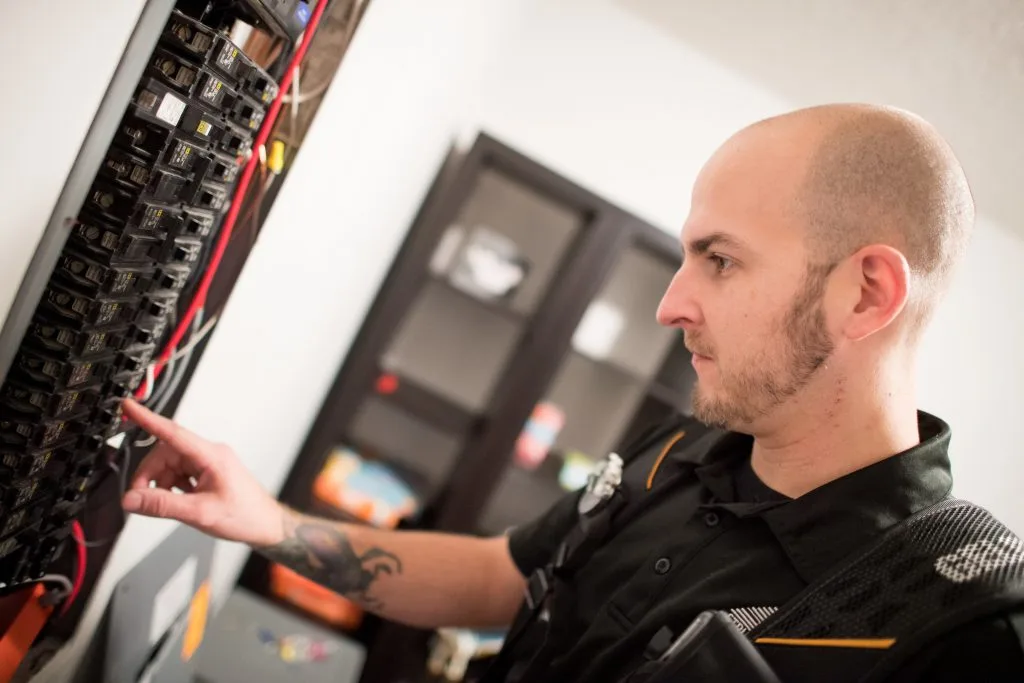
Buying a home in Chicago seems straightforward until you realize just how much rides on the home inspection. Chicago properties, from vintage brownstones to gleaming new condos, can hide issues you will never spot at a quick showing. But here is something most buyers miss. Professional home inspections uncover an average of 12 to 15 hidden defects per property, and many could cost you thousands if you skip this step. Surprised? The most valuable insight often goes beyond surface repairs. What you learn from a high-quality inspection has the power to make or break your investment.
Table of Contents
- Understand The Importance Of A Home Inspection
- Know What To Expect During The Inspection
- Essential Areas To Inspect: Roof And Exterior
- Key Interior Elements To Evaluate
- Check Hvac, Plumbing, And Electrical Systems
- Understand Inspection Reports And Their Implications
- Ask The Right Questions Post-Inspection
Quick Summary
| Takeaway | Explanation |
|---|---|
| Conduct a Home Inspection | A professional inspection reveals hidden defects, offering vital insights into property condition. |
| Accompany the Inspector | Being present allows you to ask questions and gain direct knowledge about the property. |
| Evaluate Key Systems Thoroughly | Inspect HVAC, plumbing, and electrical systems to avoid costly repairs post-purchase. |
| Understand the Inspection Report | Analyze findings to prioritize repairs and negotiate effectively with sellers. |
| Ask Strategic Questions | Engage with your inspector to clarify urgent repairs, costs, and future implications of issues found. |
1: Understand the Importance of a Home Inspection
A home inspection is not just another checkbox in your real estate transaction it’s your first line of defense in understanding the true condition of a property. In the Chicago metropolitan area, where homes range from historic bungalows in Bucktown to modern high-rises in the Loop, each property carries its unique set of potential issues that can significantly impact your investment.
A comprehensive home inspection provides critical insights into the structural integrity, safety, and potential maintenance requirements of a property. Research from the American Society of Home Inspectors reveals that professional home inspections uncover an average of 12-15 defects in a typical residential property, many of which might not be visible during a casual walkthrough.
What makes a home inspection so crucial? Consider these key perspectives:
Financial Protection: Identifying potential repair needs before purchasing can save you thousands in unexpected renovation costs.
Negotiation Leverage: Inspection findings can provide powerful negotiation points with sellers regarding repairs or price adjustments.
Long-term Planning: Understanding the property’s condition helps you anticipate future maintenance and budget accordingly.
For Chicagoland home buyers, an inspection is particularly vital given the region’s diverse architectural styles and challenging climate conditions. From century-old brownstones in Lincoln Park to newer constructions in suburban areas, each home presents unique challenges that require professional evaluation.
Learn more about our comprehensive home inspection process to understand how our certified inspectors provide thorough, detailed assessments tailored to Chicago’s distinctive housing market. A professional home inspection isn’t an expense it’s an investment in your peace of mind and financial security.
2: Know What to Expect During the Inspection
Understanding the home inspection process helps eliminate anxiety and sets realistic expectations for home buyers in the Chicagoland area. A typical home inspection is a comprehensive evaluation that takes approximately 2-3 hours, depending on the property’s size and complexity.
According to the International Association of Certified Home Inspectors, a professional inspector will systematically examine multiple aspects of the property. The inspection covers both exterior and interior elements, ensuring no critical components are overlooked.
Key areas your inspector will thoroughly assess include:
Structural Components: Foundation, walls, roof, and framing
Electrical Systems: Wiring, panel, outlets, and potential safety hazards
Plumbing: Pipes, water pressure, drainage, and potential leak points
HVAC: Heating, ventilation, and air conditioning functionality
Interior Spaces: Windows, doors, floors, and potential moisture issues
During the inspection, you are typically welcome to accompany the inspector. This provides an excellent opportunity to ask questions and gain direct insights about the property. Experienced home inspectors in Chicago understand the nuanced challenges of both vintage and modern homes in neighborhoods like Lincoln Park, Wicker Park, and the surrounding suburbs.
Discover what happens after your home inspection to understand how to leverage the detailed report for your real estate decisions. Professional inspectors will provide a comprehensive written report detailing their findings, complete with photographs and recommendations for any necessary repairs or maintenance.
3: Essential Areas to Inspect: Roof and Exterior
In the challenging Chicago climate, where winters can be brutal and summers intense, the roof and exterior of a home are your primary defense against environmental damage. Understanding the critical elements of roof and exterior inspection can save you from costly repairs and potential structural issues.
Research from the National Roofing Contractors Association indicates that regular exterior inspections can extend a roof’s lifespan by up to 50%, making this step crucial for homeowners.
During a professional inspection, experts will thoroughly examine multiple exterior components:
Roofing Materials: Checking for missing, cracked, or curling shingles
Structural Integrity: Identifying potential sagging, water damage, or structural weaknesses
Drainage Systems: Evaluating gutters, downspouts, and potential water diversion issues
Exterior Siding: Assessing for cracks, rot, or moisture penetration
Chicago homes, from vintage brick buildings in Wicker Park to modern constructions in suburban areas, present unique challenges. Water damage and moisture intrusion are particularly critical concerns. Inspectors will look for signs of potential water-related problems, including:
Improper grading around the foundation
Cracks in foundation or exterior walls
Evidence of previous water damage or potential leak points
Learn more about spotting roof issues before they become major problems, which can help you make informed decisions about your property. A thorough exterior inspection provides critical insights into the home’s overall condition, protecting your investment and preventing unexpected future expenses.
4: Key Interior Elements to Evaluate
Inside a home, numerous interior elements require meticulous examination to ensure safety, functionality, and long-term structural integrity. Chicago homes, with their diverse architectural styles from historic brownstones to modern condos, demand a comprehensive interior inspection approach.
According to the International Association of Certified Home Inspectors, professional inspectors focus on critical interior components that can significantly impact a property’s livability and value.
Key interior elements that demand thorough evaluation include:
Electrical Systems: Checking circuit breaker conditions, outlet functionality, and potential safety hazards
Plumbing Infrastructure: Assessing pipe conditions, water pressure, and potential leak points
Structural Integrity: Examining walls, floors, and ceilings for signs of settling, water damage, or structural compromise
Inspectors pay special attention to potential hidden problems that might not be immediately visible. These can include:
Signs of previous water damage
Potential mold growth in hidden areas
Inadequate insulation or ventilation
The electrical system receives particular scrutiny in older Chicago properties. Outdated wiring can pose significant safety risks. Modern home inspections typically include comprehensive electrical assessments that go beyond visual inspection, utilizing specialized tools to detect potential issues.
Read our detailed guide on understanding home inspection reports to gain deeper insights into what these evaluations mean for your potential home purchase. Understanding these interior elements helps you make informed decisions and potentially negotiate repairs or price adjustments before finalizing your real estate transaction.
5: Check HVAC, Plumbing, and Electrical Systems
In the Chicagoland area, where temperatures can range from freezing winters to humid summers, the functionality of HVAC, plumbing, and electrical systems is critical to a home’s livability and value. These interconnected systems represent significant potential repair costs if not properly maintained.
Research from the National Association of Home Builders indicates that replacing these systems can cost homeowners between $5,000 to $25,000, underscoring the importance of thorough pre-purchase inspections.
Key areas inspectors will comprehensively evaluate include:
HVAC System: Age, efficiency, maintenance history, and potential repair needs
Electrical Panel: Capacity, wiring condition, potential safety hazards
Plumbing Infrastructure: Pipe materials, water pressure, potential leak points
Chicago’s older neighborhoods like Wicker Park and Lincoln Park often feature homes with aging infrastructure, making these inspections even more crucial. Electrical systems, in particular, require meticulous examination. Outdated wiring can pose significant safety risks and may require expensive upgrades.
Inspectors will assess potential issues such as:
Signs of previous water damage
Corrosion in pipes or electrical connections
- Inefficient or outdated system components
Learn about the most common home inspection findings in Chicago to better understand potential system vulnerabilities. Professional inspections provide a comprehensive overview of these critical home systems, helping you make informed decisions about your potential property investment and anticipate future maintenance requirements.
6: Understand Inspection Reports and Their Implications
A home inspection report is more than just a document it’s a critical roadmap for understanding your potential property’s condition. In the Chicagoland real estate market, where home styles range from vintage brick bungalows to modern high-rises, these reports provide invaluable insights into a property’s structural health and potential future expenses.
According to the American Society of Home Inspectors, a comprehensive inspection report typically includes detailed assessments of the property’s major systems and components.
Key elements typically found in a professional home inspection report include:
Detailed Photographic Evidence: Visual documentation of identified issues
Severity Ratings: Categorization of problems from minor to critical
Recommended Actions: Suggested repairs or further professional evaluations
For Chicago home buyers, understanding these reports requires careful analysis. Not all findings indicate deal-breaking problems. Some issues are minor and can be easily addressed, while others might require significant investment.
Inspectors typically categorize findings into different priority levels:
Immediate safety concerns
Significant structural or systemic issues
Minor maintenance recommendations
Learn how to interpret your home inspection report effectively to make informed decisions about your potential property. Professional inspectors provide context beyond simple checklists, helping you understand the long-term implications of each identified issue and empowering you to negotiate repairs or adjust your purchasing strategy accordingly.
7: Ask the Right Questions Post-Inspection
After receiving your home inspection report, strategic questioning becomes crucial in understanding the property’s true condition and potential future expenses. Chicago home buyers must approach this phase with careful consideration and proactive communication.
Research from the National Association of Realtors indicates that thorough post-inspection discussions can potentially save buyers thousands in unexpected repair costs.
Critical questions to discuss with your home inspector include:
Repair Priority: Which issues require immediate attention?
Potential Cost Implications: What might these repairs cost?
Long-term Impact: How might these findings affect the home’s future value?
The goal is not just understanding the current condition but anticipating potential future maintenance requirements. Chicago’s diverse housing stock, ranging from vintage Victorians in Bucktown to modern condos in the Loop, presents unique challenges that demand detailed exploration.
Key areas to probe during your post-inspection discussion:
Structural integrity concerns
Potential hidden moisture or electrical issues
Estimated lifespan of major home systems
Explore our comprehensive post-inspection guide for home buyers to gain deeper insights into navigating your inspection report. Remember, a professional home inspector from Chicago Home Inspect LLC is your ally in making an informed real estate decision, providing transparent, detailed information to help you understand your potential investment’s true condition.
Below is a comprehensive table summarizing the key steps, benefits, and essential insights from the article to guide you through a successful home inspection process in Chicago.
| Step/Topic | Key Focus | Benefits/Outcomes |
|---|---|---|
| Understand Importance of Inspection | Reveals hidden defects, assesses structure, safety, and maintenance needs | Helps avoid costly repairs, arms you with negotiation leverage |
| What to Expect During Inspection | 2-3 hour full property review; buyers may join and ask questions | Direct insight into property condition; clarifies process |
| Inspect Roof & Exterior | Examine roof, drainage, siding, and foundation for weather and moisture | Prevents future damage, ensures exterior resilience |
| Evaluate Key Interior Elements | Review electrical, plumbing, walls, floors, signs of water/mold | Identifies hidden dangers, ensures safety and functionality |
| Check HVAC, Plumbing, Electrical | Test system age, repairs, capacity, and maintenance history | Avoids unexpected major system costs; confirms operational reliability |
| Understand Inspection Reports | Review photos, ratings, and recommended actions in report | Informs negotiations and future planning; distinguishes urgent vs. minor issues |
| Ask Questions Post-Inspection | Clarify repair priority, costs, long-term impacts | Enables smarter decisions, ensures full understanding of report findings |
Take the Stress out of Your Home Inspection
Making sense of a home inspection can feel overwhelming. The article “7 Essential Steps for Your Home Inspection Checklist” highlights complex challenges like hidden repair needs, aging home systems, and confusing inspection reports. Many buyers and sellers worry about missing costly problems or not having the knowledge to understand the true condition of a property. If you want clear answers and peace of mind, you need help from a certified local expert who understands the unique Chicago market and its diverse homes.
Chicago Home Inspector puts you in control with solutions tailored to every stage of your real estate journey. Choose from services including Buyer Pre-Purchase Inspections, Seller Pre-Listing Inspections, and Mold Testing to address the pain points shared in the home inspection checklist. Ready to eliminate uncertainty and negotiate with confidence? Schedule your professional home inspection today and get the insights you need for smarter decision making. Still have questions or want a deeper look at our inspection options? Visit our inspection scheduling page now and take the next step toward a worry-free real estate experience.
Frequently Asked Questions
What is the purpose of a home inspection?
A home inspection provides a comprehensive evaluation of a property’s condition, uncovering potential issues that may not be visible during a casual walkthrough. It helps buyers understand the structural integrity, safety, and necessary maintenance of the property.
How long does a typical home inspection take?
A typical home inspection takes approximately 2-3 hours, depending on the property’s size and complexity. This includes a thorough examination of both the interior and exterior components of the home.
What key areas are evaluated during a home inspection?
Key areas evaluated during a home inspection include structural components, electrical systems, plumbing, HVAC systems, and interior spaces. Inspectors focus on potential defects and safety hazards in these areas to ensure the property is livable and safe.
How should I interpret the home inspection report?
A home inspection report includes detailed assessments, photographic evidence of issues, severity ratings, and recommended actions. Understanding these reports involves identifying which findings are critical and which can be addressed with minor repairs, thus informing your purchasing decisions.
Recommended
- Seller Inspection Checklist for Chicagoland Home Buyers | Chicago Home Inspect LLC
- End of Inspection Checklist: Essential Steps for Home Buyers | Chicago Home Inspect LLC
- 5 Simple Things to Inspect Before Home Inspection Services in Chicago
- 7 Common Home Inspection Findings You Should Know | Chicago Home Inspect LLC