Home inspections reveal more than meets the eye. Over 60 percent of homes show some kind of foundation issue and many homeowners are shocked by the costly surprises lurking just beneath the surface. What most people miss is that the real danger is not the obvious cracks or leaks but the hidden problems that can wipe out your savings if ignored.
Table of Contents
- Roof Issues: What Inspectors Look For
- Plumbing Problems: Signs of Leaks and Repairs
- Electrical Systems: Common Code Violations
- HVAC Concerns: Maintenance and Functionality
- Foundation Flaws: Identifying Serious Concerns
- Wood Damage: Recognizing Termite Infestations
- Safety Hazards: Ensuring a Secure Home Environment
Quick Summary
| Takeaway | Explanation |
|---|---|
| Conduct regular roof inspections to prevent issues | Regular inspections can identify missing shingles and leaks before they cause severe damage. |
| Promptly address plumbing leaks to avoid damage | Early detection of leaks reduces water damage risks and saves on repair costs. |
| Ensure electrical systems meet safety standards | Check for outdated components and code violations to prevent fire hazards in the home. |
| Maintain HVAC systems for efficiency | Regular maintenance ensures optimal performance and reduces energy bills significantly. |
| Identify foundation cracks early to prevent worsened damage | Monitoring and addressing cracks can help avoid extensive repair needs later on. |
1: Roof Issues: What Inspectors Look For
Roof problems represent one of the most critical and expensive common home inspection findings that homeowners and potential buyers need to understand. Professional inspectors recognize that a compromised roof can lead to substantial structural damage, potentially costing thousands of dollars in repairs if left unchecked.
When conducting a thorough roof assessment, inspectors meticulously examine multiple aspects of the roofing system. Learn more about how Chicago weather impacts roof conditions to understand the unique challenges our local climate presents.
Key indicators that catch an inspector’s attention include:
- Missing or damaged shingles that expose underlying roofing materials
- Visible signs of water infiltration like stains or warping in the attic or ceiling
- Sagging roof sections which suggest potential structural weakness
According to the National Roofing Contractors Association, most residential roofs have an expected lifespan of 20 to 30 years. However, this can be significantly reduced by poor maintenance, extreme weather conditions, and unaddressed minor damages.
Professional inspectors will carefully evaluate roof pitch, material condition, and overall structural integrity. They look for signs of:
- Granule loss on asphalt shingles
- Cracked or curling shingle edges
- Improper flashing around chimneys and ventilation points
Understanding these potential issues helps homeowners and buyers make informed decisions about property maintenance and potential repair investments. A comprehensive roof inspection can save you from unexpected and costly surprises down the road.
2: Plumbing Problems: Signs of Leaks and Repairs
Plumbing problems represent a significant concern during home inspections, with potential consequences that can range from minor inconveniences to major structural damage. Inspectors are trained to identify subtle and obvious signs of plumbing issues that homeowners might overlook. Discover hidden leak detection strategies to understand the complexity of these potential problems.
According to the Environmental Protection Agency, household leaks can waste more than 10,000 gallons of water annually, with 10% of homes experiencing significant water waste through undetected leaks.
Professional home inspectors systematically evaluate plumbing systems by checking multiple indicators of potential problems:
- Visible water stains on walls or ceilings
- Unusual mold growth in unexpected areas
- Musty odors suggesting hidden moisture
- Corrosion around pipe joints
Critical areas that demand careful inspection include under-sink cabinets, basement piping, and water heater connections. Inspectors look for signs of:
- Rust or discoloration on metal pipes
- Mineral buildup around connections
- Evidence of previous amateur repairs
- Water pressure inconsistencies
Homeowners should understand that plumbing issues are not just about immediate repairs. Water damage can compromise structural integrity, lead to expensive restoration work, and potentially create health hazards through mold growth. Early detection through professional home inspections can save thousands in potential repair costs and prevent long-term property damage.
3: Electrical Systems: Common Code Violations
Electrical system issues represent a critical safety concern during home inspections, with potential risks that extend far beyond simple inconvenience. Discover the electrical red flags in older Chicago homes to understand the unique challenges of aging electrical infrastructure.
According to the National Fire Protection Association, electrical failures or malfunctions cause approximately 13% of home structure fires, highlighting the importance of thorough electrical system evaluations.
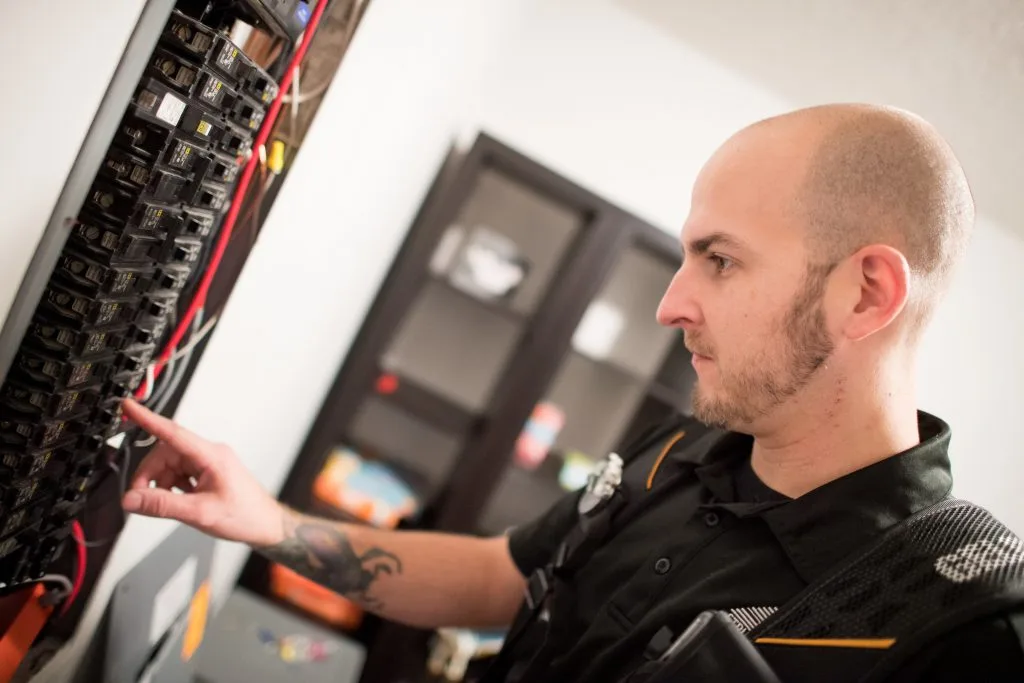
Home inspectors meticulously examine electrical systems for critical code violations and potential hazards:
- Outdated electrical panels with insufficient amperage
- Improper wiring configurations
- Lack of ground fault circuit interrupter (GFCI) protection
- Overloaded circuit breakers
Professional inspectors pay close attention to several key areas that frequently reveal electrical system problems:
- Evidence of amateur or unlicensed electrical work
- Exposed wiring in living spaces
- Absence of proper electrical box covers
- Incorrect wire gauge for specific circuit loads
Older homes present unique challenges, with many built before modern electrical safety standards were established. Knob and tube wiring, aluminum wiring, and insufficient grounding are common issues that can compromise home safety. Homeowners should understand that addressing these electrical system problems is not just about passing an inspection but protecting their family from potential fire risks and electrical hazards.
4: HVAC Concerns: Maintenance and Functionality
Heating, ventilation, and air conditioning systems represent a critical component of home comfort and energy efficiency. Learn about critical furnace maintenance tasks that can prevent unexpected system failures.
According to the U.S. Department of Energy, poorly maintained HVAC systems can decrease efficiency by up to 30%, leading to higher energy costs and potential system breakdown.
Professional home inspectors evaluate HVAC systems by examining multiple critical components:
- Overall system age and operational condition
- Efficiency ratings and potential energy consumption
- Signs of wear or improper maintenance
- Potential refrigerant leaks
Critical areas of focus during HVAC system inspections include:
- Checking air filter condition and replacement history
- Examining ductwork for leaks or poor insulation
- Assessing thermostat functionality and calibration
- Evaluating furnace and air conditioning unit external conditions
Older HVAC systems pose significant challenges for homeowners. Systems over 15 years old frequently require more extensive maintenance and are less energy-efficient. Inspectors look for warning signs such as unusual noises, inconsistent temperature regulation, and excessive dust accumulation, which can indicate underlying mechanical problems.
Proper HVAC maintenance is not just about comfort. It directly impacts home energy efficiency, indoor air quality, and long-term repair costs. Homeowners should view professional HVAC inspections as a critical investment in their property’s performance and their family’s comfort.
5: Foundation Flaws: Identifying Serious Concerns
Foundation problems represent some of the most critical and potentially expensive issues discovered during home inspections. Learn how to distinguish between minor cracks and serious foundation concerns to protect your property investment.
According to the American Society of Home Inspectors, approximately 60% of homes have some form of foundation issue, ranging from minor cosmetic concerns to significant structural problems that can compromise building integrity.
Professional home inspectors evaluate foundation conditions by examining multiple critical indicators:
- Visible horizontal or stair-step wall cracks
- Uneven or sloping floor surfaces
- Doors and windows that no longer fit properly
- Significant exterior foundation wall separation
Critical areas of foundation concern include:
- Basement wall moisture and water infiltration
- Soil erosion around foundation perimeter
- Evidence of previous repair attempts
- Foundation settling and structural shifts
Foundation problems can stem from multiple sources, including soil composition, water drainage issues, and regional geological characteristics. Chicago’s complex clay soil and freeze-thaw cycles make foundation maintenance particularly challenging. Inspectors look for signs of potential movement, such as:
- Hairline cracks that exceed 1/4 inch width
- Bulging or bowing basement walls
- Significant grade slope toward the foundation
Homeowners should understand that early detection of foundation issues can prevent catastrophic structural damage. Professional home inspections provide a critical opportunity to identify and address potential problems before they escalate into expensive repair projects.
6: Wood Damage: Recognizing Termite Infestations
Termite infestations represent one of the most destructive and costly home maintenance challenges homeowners can encounter. Learn how to spot hidden water damage which can often create conditions conducive to wood damage and pest infestations.
According to the National Pest Management Association, termites cause approximately $5 billion in property damage annually in the United States, with most homeowners insurance policies not covering these repairs.
Professional home inspectors systematically evaluate wood damage and termite risks by examining multiple critical indicators:
- Hollow or damaged wooden structures
- Mud tubes along foundation walls
- Unexplained wood debris near wooden structures
- Soft or crumbling wood surfaces
Critical areas inspectors thoroughly investigate include:
- Wooden structural elements in basements
- Door and window frames
- Wooden decking and exterior trim
- Crawl spaces and attic framing
Termite damage often goes unnoticed until significant structural compromise occurs. Different termite species present unique challenges:
- Subterranean termites create underground networks
- Drywood termites inhabit wooden structures directly
- Formosan termites can destroy wood extremely rapidly
Homeowners should understand that professional home inspections provide the best early detection method for potential termite infestations. Regular monitoring, moisture control, and proactive wood maintenance can significantly reduce the risk of extensive and expensive wood damage.
7: Safety Hazards: Ensuring a Secure Home Environment
Home safety goes far beyond basic structural assessments, representing a critical aspect of protecting families and property. Learn about comprehensive home safety checks to understand the full scope of potential risks.
According to the National Safety Council, over 21 million medically consulted home injuries occur annually, highlighting the importance of thorough safety evaluations during home inspections.
Professional home inspectors systematically evaluate safety hazards by examining multiple critical areas:
- Functional smoke and carbon monoxide detectors
- Secure stair railings and potential fall risks
- Adequate electrical outlet covers
- Proper window safety mechanisms
Critical safety areas that demand careful inspection include:
- Potential trip hazards on floors and walkways
- Condition of exterior steps and entries
- Accessibility of emergency exits
- Potential chemical storage risks
Home safety involves understanding complex interconnected systems. Inspectors look beyond visible hazards to identify potential risks such as:
- Improper handrail installations
- Inadequate lighting in critical areas
- Unstable flooring or loose carpeting
- Outdated safety equipment
Homeowners should recognize that professional home inspections provide a comprehensive approach to identifying and mitigating safety risks. By addressing potential hazards proactively, families can create a secure living environment that protects against preventable accidents and injuries.
Below is a comprehensive table summarizing the seven most common home inspection findings, their key issues, and why addressing them benefits homeowners.
| Home Inspection Area | Key Issues Identified | Why It Matters for Homeowners |
|---|---|---|
| Roof | Missing/damaged shingles, leaks, sagging, granule loss | Prevents severe structural damage and costly repairs |
| Plumbing | Leaks, water stains, corrosion, mold/odor | Early repairs protect against water damage and expensive restoration |
| Electrical Systems | Outdated panels, improper wiring, lack of GFCI, overloads | Reduces fire risk and ensures family safety |
| HVAC | Poor maintenance, age, leaks, dust accumulation | Improves efficiency, comfort, lowers energy costs, prevents breakdowns |
| Foundation | Cracks, uneven floors, misaligned windows/doors | Early intervention avoids structural compromise and major repair expenses |
| Wood/Termite Damage | Hollow/crumbling wood, mud tubes, wood debris | Protects structural integrity, prevents widespread costly termite damage |
| Safety Hazards | Missing detectors, unsafe stairs, outlets, poor lighting | Reduces injury risk, improves home safety for all occupants |
Protect Your Investment With Confidence
Homeownership in the Chicago area comes with unique risks, from hidden plumbing leaks and roof damage to electrical code violations and structural flaws. This article revealed just how quickly small issues can turn into expensive repairs or threaten the safety of your family. If you want peace of mind and clarity about your home’s true condition, now is the time to act. Our licensed, InterNACHI-certified team specializes in thorough inspections for buyers and sellers, tackling every concern from moisture intrusion to outdated HVAC systems and termite damage.
Do not wait until minor problems become major setbacks. Take the next step by securing your pre-purchase or pre-listing inspection today. Experience the relief of having trusted experts on your side. Visit our scheduling page to book your inspection or general consultation. Protect your home and your future with a professional inspection right when it matters most.
Frequently Asked Questions
What are common signs of roof damage during a home inspection?
Inspectors look for missing or damaged shingles, visible water stains or warping in ceilings, and sagging roof sections which can indicate structural weakness.
How can I detect plumbing issues before a home inspection?
Look for visible water stains on walls or ceilings, unusual mold growth, musty odors, and signs of corrosion around pipe joints.
What electrical safety problems should I be aware of before buying a home?
Ensure there are no outdated electrical panels, improper wiring configurations, overloaded circuit breakers, or lack of GFCI protection.
Why is HVAC maintenance important during a home inspection?
Regular HVAC maintenance ensures energy efficiency and comfort. Inspectors check for system age, operational condition, signs of wear, and potential refrigerant leaks.
Recommended
- 5 Simple Things to Inspect Before Home Inspection Services in Chicago
- Top 5 Hidden Issues Buyers Miss During Showings | Chicago Home Inspect LLC
- Seller’s Repairs or Cover-Up? How Buyers Can Tell
- HVAC Checklist for New Homeowners in Louisville & Southern Indiana 2025 – HVAC Service and Repair | Louisville, KY | Project Heating & Cooling
- 7 Common Causes of Water Leaks Every Homeowner Should Know – 8th Bend Plumbing Heating and Cooling