
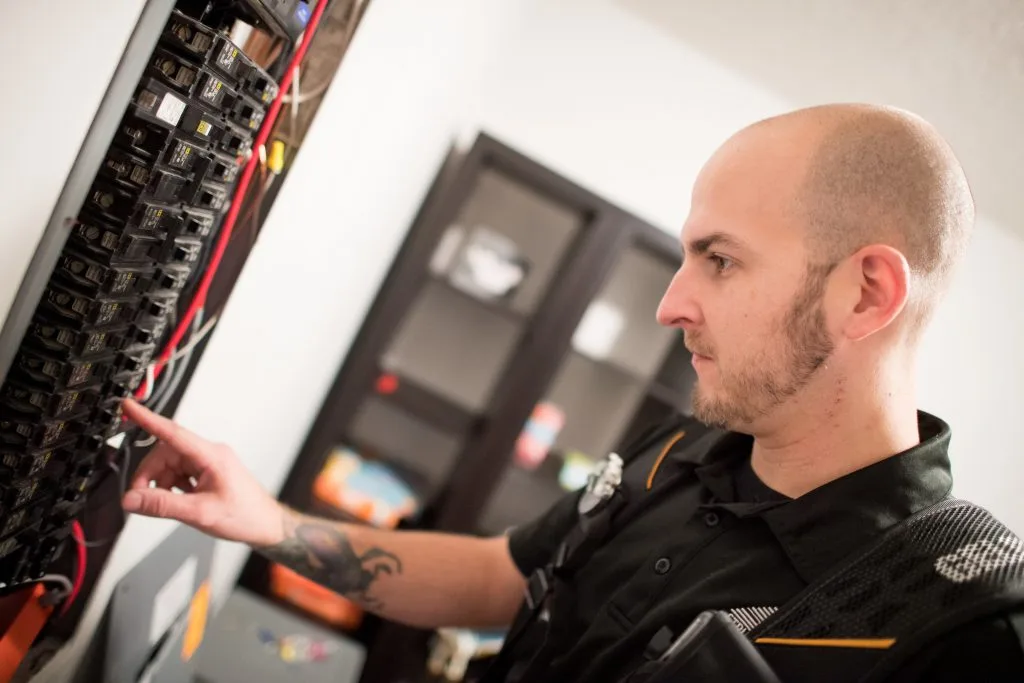
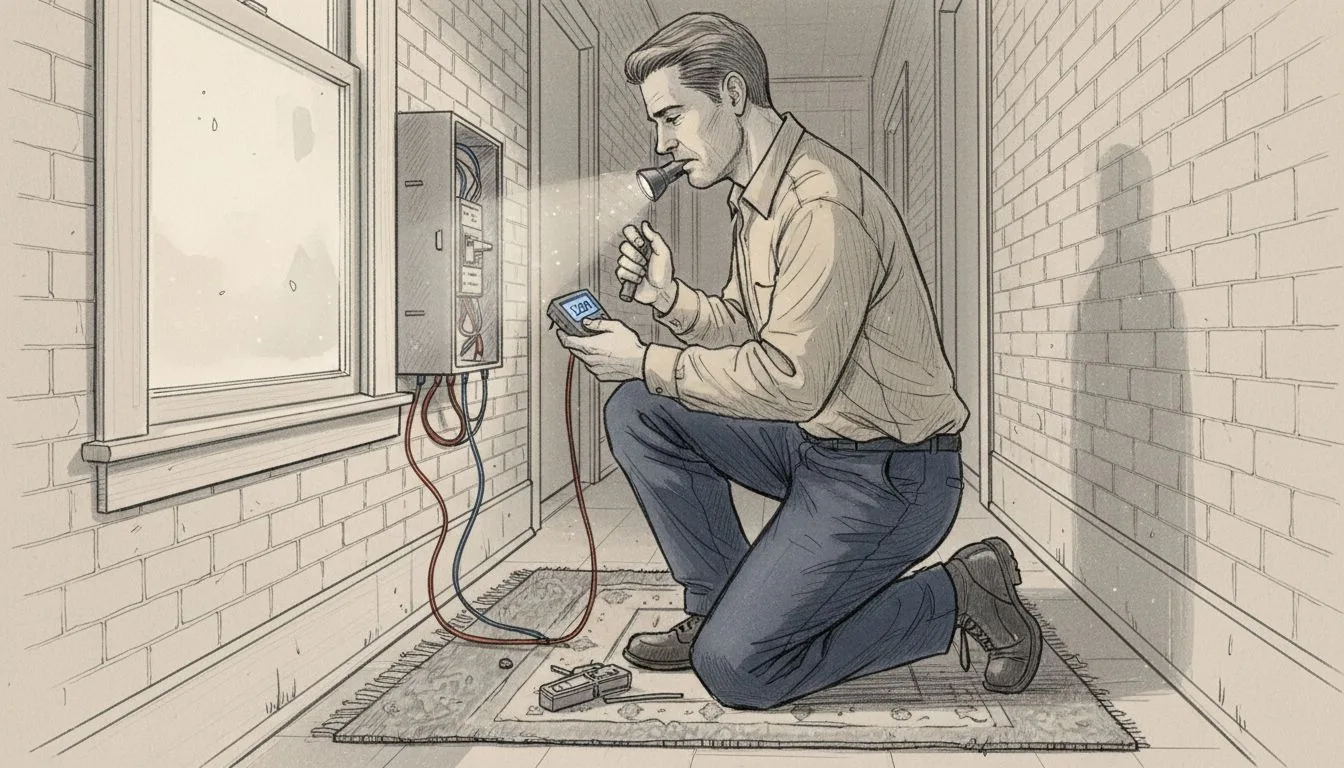
Looking at older homes in Chicago can feel exciting but also nerve-wracking when the topic of aluminum wiring comes up. The electrical systems installed from the 1960s to mid-1970s pose unique risks due to the metal’s tendency toward oxidation and higher resistance. For both buyers and sellers, understanding the intricacies of aluminum wiring safety and how it impacts property value is vital. This guide offers expert insights on warning signs, inspection protocols, and remediation strategies, helping you make confident decisions in the Chicago real estate market.
Table of Contents
- Defining Aluminum Wiring In Chicago Homes
- Key Risks And Warning Signs For Homeowners
- Home Inspection Protocols And Legal Standards
- Safe Remediation Options And Alternatives
- Impact On Property Value And Transactions
Defining aluminum wiring in Chicago homes
Aluminum wiring was a popular electrical system used extensively in Chicago residential construction during the 1960s and mid-1970s. Unlike traditional copper wiring, aluminum provided an alternative solution during periods of copper price volatility. Aluminum electrical wiring represented a unique technological approach that reflected the economic constraints of that era.
The characteristics of aluminum wiring differ significantly from copper, making it a complex material for home electrical systems. Aluminum building wire installations required specialized techniques due to the metal’s distinct physical properties. Key differences include:
- Higher electrical resistance compared to copper
- Greater tendency to oxidize
- More malleable metal structure
- Lower conductivity-to-weight ratio
Historically, Chicago homebuilders adopted aluminum wiring as a cost-effective alternative during a period of significant material price fluctuations. Utility grade aluminum wire became prevalent in residential construction, particularly in neighborhoods experiencing rapid housing development during the mid-20th century.
Understanding the technical nuances of aluminum wiring is crucial for Chicago homebuyers. Aluminum wiring characteristics suggest potential fire hazards if not properly installed or maintained. Homeowners must recognize that these electrical systems require specialized inspection and potentially complex remediation strategies.
Pro tip: Always request a specialized electrical inspection when purchasing an older Chicago home to identify potential aluminum wiring risks and necessary upgrades.
Key risks and warning signs for homeowners
Aluminum wiring presents significant safety challenges for Chicago homeowners, with potential electrical hazards that can develop unexpectedly. The electrical systems installed during the 1960s and early 1970s are particularly prone to dangerous conditions that may not be immediately apparent during routine home inspections.
Homeowners should be vigilant about several critical warning signs that indicate potential aluminum wiring problems:
- Hot outlet or switch faceplates
- Frequent circuit breaker tripping
- Flickering or dimming lights
- Burning smells near electrical outlets
- Visible discoloration around electrical connections
- Intermittent power supply to specific circuits
Corrosion risks are particularly concerning with aluminum wiring. The metal is uniquely vulnerable to galvanic corrosion and oxidation when exposed to moisture and dissimilar metals. This corrosion can create high-resistance connections that dramatically increase fire risk and electrical system failure potential.
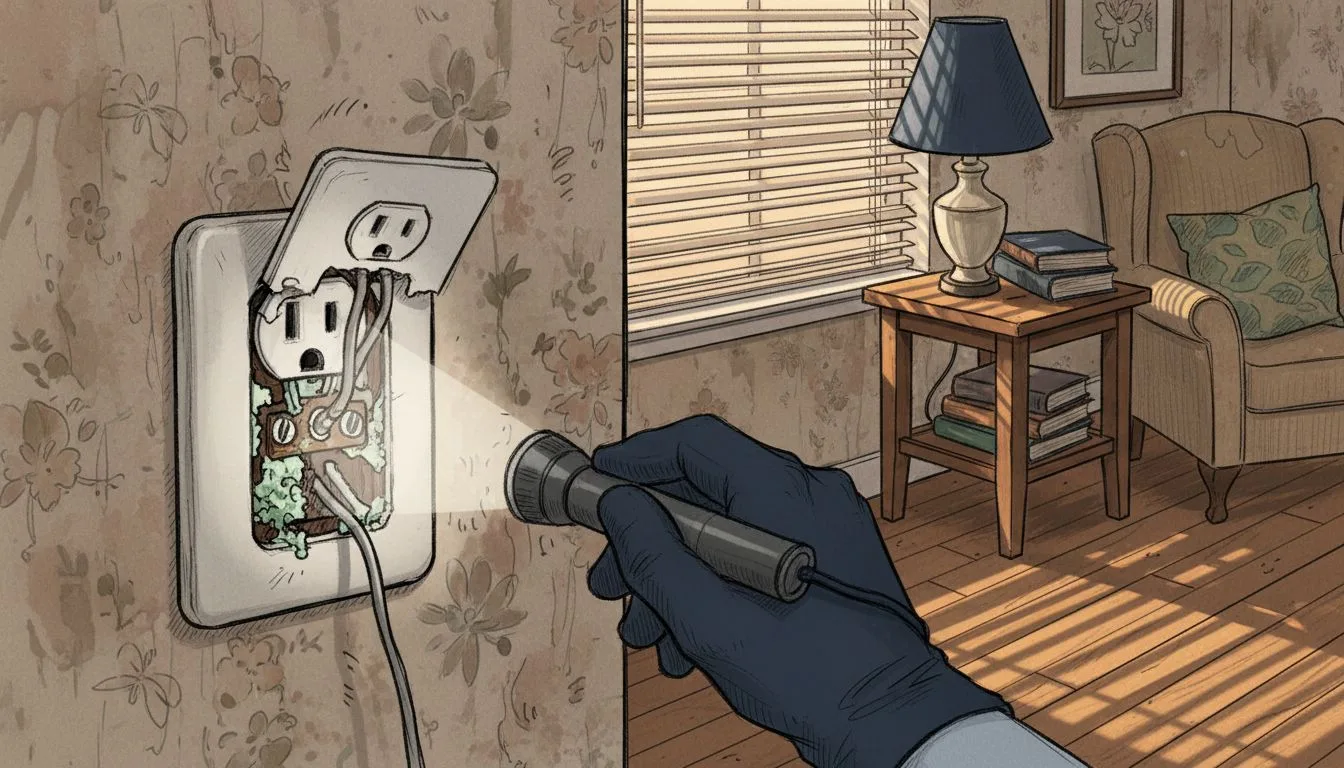
The most dangerous aspect of aluminum wiring is its unpredictability. Unlike modern copper wiring, aluminum connections can deteriorate internally without showing external signs of damage. This means homeowners might be living with a potentially hazardous electrical system without realizing the imminent risks.
Pro tip: Schedule a specialized electrical inspection with a professional who has specific expertise in detecting aluminum wiring risks before purchasing an older Chicago home.
Home inspection protocols and legal standards
Home inspections involving aluminum wiring in Chicago follow strict professional inspection standards that prioritize safety and comprehensive evaluation. These standards require detailed documentation of any visible electrical system defects, with particular attention to the unique challenges presented by aluminum wiring installations from the 1960s and early 1970s.
The key elements of a professional aluminum wiring inspection include:
- Comprehensive visual examination of electrical connections
- Assessment of wire condition and potential oxidation
- Verification of appropriate connector types
- Evaluation of potential fire hazard indicators
- Documentation of non-compliant installation methods
- Recommendation for specialized electrical evaluation
Legal compliance is critically important in aluminum wiring assessments. National Electrical Code requirements establish the baseline standards that professional inspectors must follow when evaluating electrical systems. While these standards are not legal statutes themselves, they represent the industry-accepted methodology for determining electrical safety and installation quality.
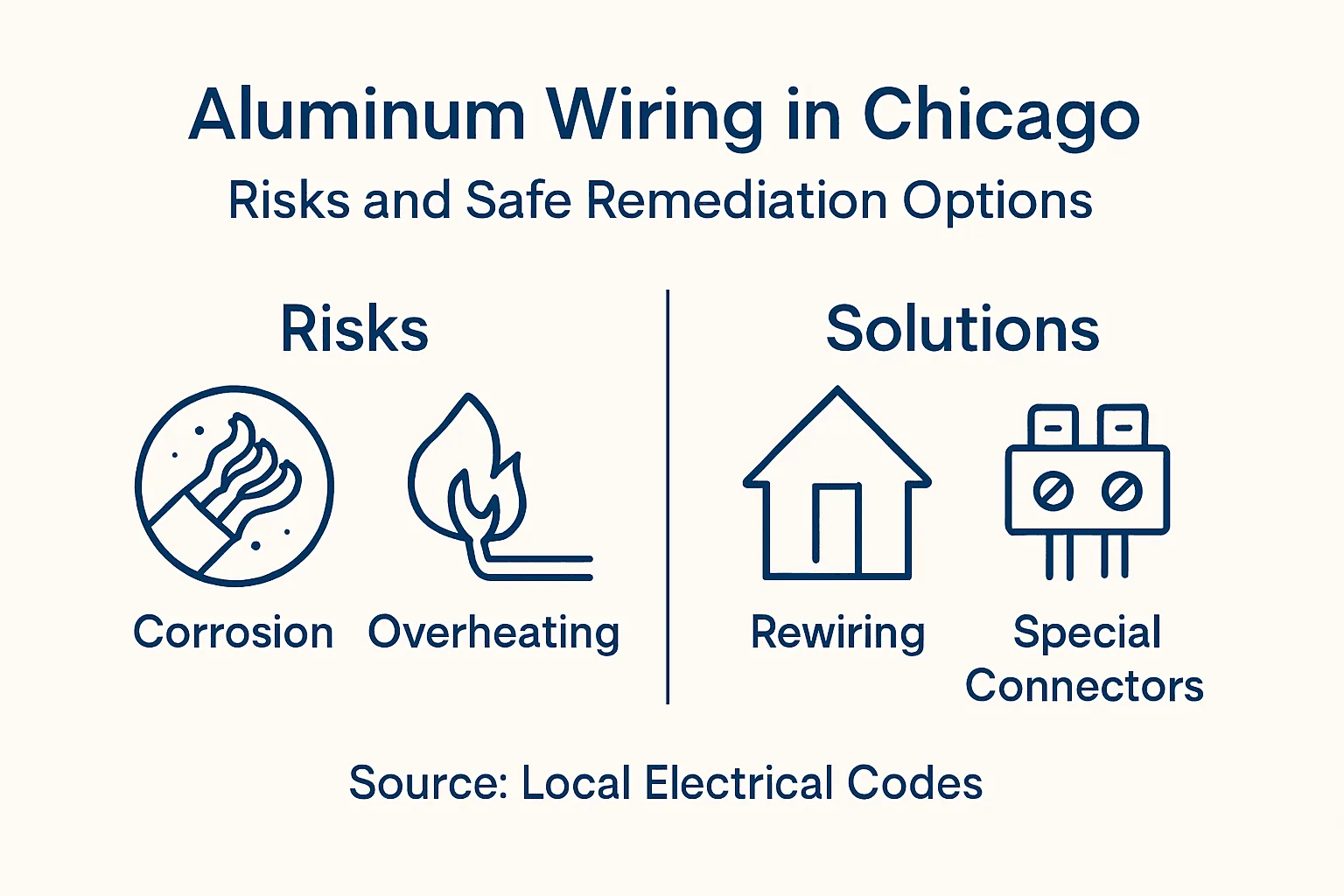
Chicago home inspectors are obligated to provide detailed reports that highlight potential risks associated with aluminum wiring. These reports typically recommend further evaluation by licensed electricians, especially for homes with wiring installed before 1972, which are most likely to have problematic installation techniques that could compromise electrical system safety.
Pro tip: Request a comprehensive electrical inspection report that specifically addresses aluminum wiring risks and provides detailed recommendations for remediation.
Safe remediation options and alternatives
Homeowners with aluminum wiring face several critical remediation strategies for electrical safety, each with unique advantages and considerations for Chicago area homes. The primary goal is to minimize potential fire risks and ensure long-term electrical system reliability.
The most recommended remediation options include:
- Complete copper wiring replacement
- COPALUM crimp connector system
- AlumiConn connector installations
- Specialized antioxidant compound treatments
- Systematic connection point reinforcement
- Partial circuit rewiring strategies
Professional intervention is crucial when addressing aluminum wiring issues. Mitigation methods recommended by electrical safety experts emphasize using specialized connectors that prevent oxidation and reduce overheating risks. Traditional solutions like standard wire nuts have been deprecated due to their ineffectiveness in managing aluminum wire’s unique metallurgical characteristics.
Each remediation approach requires careful evaluation by a licensed electrician familiar with the specific challenges of aluminum wiring. Factors such as home age, existing electrical infrastructure, and budget will ultimately determine the most appropriate solution for individual Chicago homeowners.
Here is a summary of common remediation strategies for aluminum wiring and their main considerations:
| Remediation Method | Fire Risk Reduction | Relative Cost | Professional Expertise Needed |
|---|---|---|---|
| Full Copper Rewiring | Highest | High | Licensed electrician required |
| COPALUM Crimp Connectors | High | Moderate | Special training necessary |
| AlumiConn Connector Install | High | Moderate | Certified installer needed |
| Antioxidant Compound | Moderate | Low | Electrician familiar with product |
| Connection Point Reinforcement | Variable | Variable | Licensed electrician essential |
| Partial Circuit Rewiring | Moderate to High | Varies | Customized expertise required |
Pro tip: Request multiple professional assessments to compare recommended remediation strategies and ensure comprehensive electrical system safety.
Impact on property value and transactions
Aluminum wiring can significantly impact real estate transactions in the Chicago housing market, with substantial implications for property value that every homeowner and potential buyer must understand. The presence of older aluminum wiring creates a complex landscape of financial and safety considerations that can influence negotiation dynamics and overall marketability.
Key challenges in real estate transactions involving aluminum wiring include:
- Increased insurance premium costs
- Potential coverage denials from insurers
- Required electrical system remediation expenses
- Potential reduction in property market value
- Extended negotiation periods
- Additional inspection requirements
Insurance complications play a critical role in these transactions. Real estate professionals recognize that homes with pre-1972 aluminum wiring present higher risk assessments from insurance providers. Many companies either refuse coverage or impose significantly higher premiums, creating substantial financial barriers for potential buyers.
Proactive homeowners can mitigate these challenges by obtaining professional electrical assessments, documenting any remediation efforts, and being transparent about the home’s electrical infrastructure. Comprehensive documentation and professional repairs can help offset potential value reductions and demonstrate responsible property maintenance.
The table below highlights property transaction impacts related to aluminum wiring in Chicago homes:
| Transaction Factor | Effect of Aluminum Wiring | Homeowner Action Needed |
|---|---|---|
| Insurance Premiums | Often increases premiums | Confirm insurability early |
| Market Value | Decreased property value possible | Document repairs and upgrades |
| Buyer Negotiations | Longer, more complex process | Share inspection/repair records |
| Inspection Requirements | Additional or specialized needed | Provide detailed reporting |
Pro tip: Obtain a professional electrical inspection report and documented remediation evidence before listing your home to improve marketability and potentially minimize value impacts.
Protect Your Chicago Home From Aluminum Wiring Risks Today
Aluminum wiring in Chicago homes presents unique safety challenges that can lead to serious electrical hazards like overheating and fire risks. If your potential new home was built during the 1960s or 1970s it is critical to identify issues such as oxidation, unsafe connections, or faulty wiring that could threaten your family’s safety and your investment. Key warning signs like flickering lights or frequent breaker trips need expert evaluation from inspectors who understand these specialized challenges.
Don’t wait until it’s too late. Our Buyer Pre-Purchase Inspections target these exact problems with thorough evaluations, detailed reporting, and expert recommendations tailored to aluminum wiring concerns. Gain peace of mind by scheduling a trusted inspection from a licensed, insured, and InterNACHI certified professional familiar with Chicago’s unique electrical landscape. Visit Chicago Home Inspector now to protect your home and make informed buying decisions with confidence.
Frequently Asked Questions
What is aluminum wiring, and why was it used in homes?
Aluminum wiring was commonly used in residential construction during the 1960s and mid-1970s as a cost-effective alternative to copper wiring amid fluctuations in copper prices. It has distinct physical properties that require specialized installation techniques.
What are the risks associated with aluminum wiring in older homes?
Aluminum wiring poses significant safety risks including potential fire hazards due to oxidation, higher electrical resistance, and risks of corrosion. Warning signs include hot outlets, flickering lights, and frequent circuit breaker tripping.
How can homeowners mitigate the risks of aluminum wiring?
Homeowners can address aluminum wiring risks through remediation strategies such as complete copper rewiring, using specialized connectors like COPALUM or AlumiConn, and applying antioxidant compounds. Professional evaluation by a licensed electrician is recommended for safe remediation.
How does aluminum wiring affect home value and real estate transactions?
The presence of aluminum wiring can negatively impact property value, increase insurance premiums, and complicate real estate negotiations. Homebuyers should obtain comprehensive inspections and document any remediation efforts to mitigate potential issues.