
You just got the keys to your Chicago home, and the excitement is real. But the first 30 days after closing carry more weight than most new owners realize. From changing all locks immediately to filing for local tax exemptions, the steps you take right now determine how safe, legal, and financially sound your new home will be. This checklist walks you through exactly what to do, in the right order, so nothing slips through the cracks.
Table of Contents
- Secure your home: Safety and first-day essentials
- Transfer utilities and set up city services
- Apply for the Cook County Homeowner Exemption
- Deep cleaning and preparing your home for move-in
- Safety and compliance: Insurance, lead paint, and code
- Chicago home maintenance essentials for your first year
- Ready to protect your Chicago home from day one?
- Frequently asked questions
Key Takeaways
| Point | Details |
|---|---|
| Secure your property | Change locks and test alarms to ensure immediate safety for your Chicago home. |
| Transfer all utilities | Contact providers and set up essential city services before you move in. |
| Apply for tax exemption | Filing the Cook County Homeowner Exemption early saves hundreds in property taxes. |
| Prioritize maintenance | Service HVAC, inspect roof and gutters, and budget for ongoing Chicago-specific upkeep. |
| Document and comply | Keep records, review insurance, and stay compliant with local codes for smooth ownership. |
Secure your home: Safety and first-day essentials
Once you’ve got your keys, securing the property is the best investment in peace of mind. You have no way of knowing how many copies of the old keys are floating around, whether with former tenants, contractors, or neighbors. Changing every exterior lock is non-negotiable.
Here’s what to handle on day one:
- Replace all exterior locks and deadbolts. Rekey or replace every lock, including garage entry doors and any side gates with padlocks.
- Reset all security keypads and alarm codes. If the home has a security system, call the provider and set new codes before your first night.
- Test every smoke detector and carbon monoxide detector. Replace batteries in every unit, and replace any detector older than 10 years.
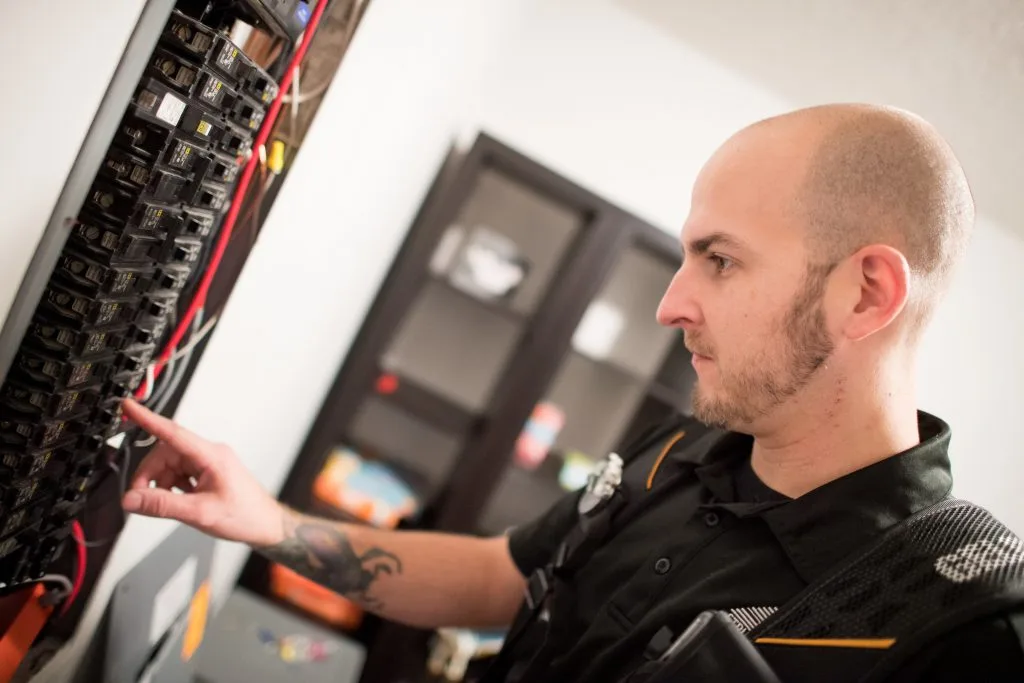
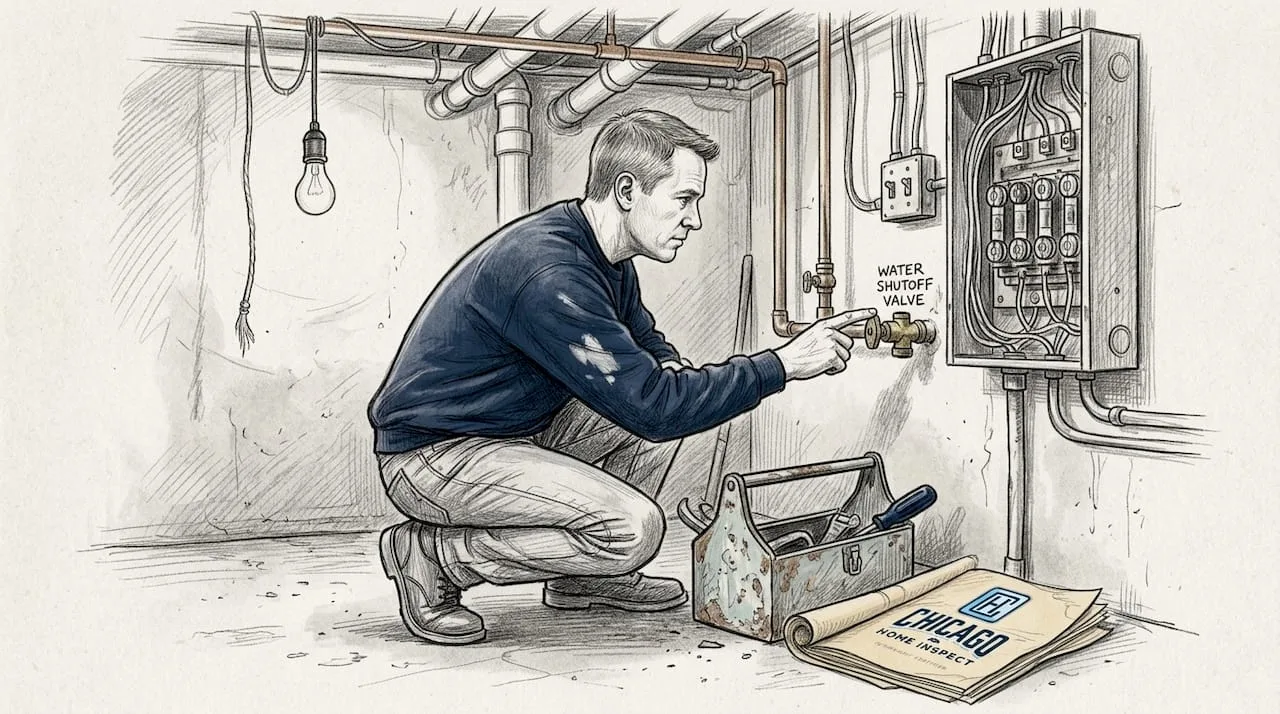
- Locate and label your main shutoffs. Find the main water shutoff, the gas shutoff, and the electrical panel. Label each one clearly so anyone in your household can act fast in an emergency.
- Store closing documents securely. Keep your deed, title insurance policy, and home manuals in a fireproof box or a secure digital folder.
Knowing where your shutoffs are can prevent thousands of dollars in water or fire damage. If your home inspection red flags report flagged any issues with detectors or electrical panels, address those first.
Pro Tip: Buy a combination smoke and carbon monoxide detector for any room that currently has only one type. Chicago winters mean windows stay shut for months, making CO buildup a real risk.
Transfer utilities and set up city services
With your home safe, you need working utilities and legal compliance from the start. A lapse in service can mean deposits, reconnection fees, or worse, going without heat in a Chicago January.
Contact each provider to transfer service into your name:
- Electricity: ComEd for electricity, Peoples Gas for natural gas, and the City of Chicago for water billing
- Internet and cable: Schedule installation at least two weeks out to avoid delays
- City of Chicago water: Handled through the city’s Department of Water Management, not a private utility
Allow 2-3 weeks for transfers to avoid deposits or service interruptions. Starting the process the day after closing is not too early.
Beyond utilities, Chicago has a few city-specific registrations you need to handle:
- Get your City Vehicle Sticker within 30 days of establishing residency
- Update your address with USPS, the Illinois DMV (you have 90 days to update your license), and your voter registration
- Notify your bank, employer, and insurance providers of your new address
Pro Tip: Set up mail forwarding with USPS on the same day you close. It takes a few days to activate, and you don’t want to miss any bills or legal notices during the transition.
Apply for the Cook County Homeowner Exemption
Once utilities are handled, claiming your annual property tax savings comes next. This is one of the most overlooked steps for first-time Chicago homeowners, and skipping it costs real money.
The Cook County Homeowner Exemption (also called the Homestead Exemption) reduces the assessed value of your home for tax purposes. Filing can save $400 to $800 per year, and it also protects you from steep assessment increases over time.
Here’s how to apply:
- Confirm eligibility. You must own and occupy the home as your primary residence as of January 1 of the tax year.
- File with the Cook County Assessor’s office. You can apply online at the Cook County Assessor’s website or in person at their office.
- Submit by the January 1 deadline following your closing date. Missing this window means waiting another full year.
- Keep your PIN handy. Your Property Index Number (PIN) is on your closing documents and is required for the application.
This exemption does not apply automatically. You must file it yourself. Once approved, it renews automatically each year as long as you remain the owner-occupant.
Deep cleaning and preparing your home for move-in
Having legal and financial matters set, it’s time to create a healthy living environment. Even if the previous owners cleaned before leaving, a professional-level deep clean before you unpack is worth every minute.
Start with these often-missed areas:
- HVAC vents and returns: Dust and debris accumulate here and get blown through the house the moment you turn on the heat
- Refrigerator coils: Dirty coils make the fridge work harder and can shorten its lifespan
- Dryer vent duct: A clogged dryer vent is a leading cause of house fires
- Under and behind appliances: Former owners rarely move these during cleaning
- Cabinet interiors and drawer tracks: Grease, crumbs, and old liners hide bacteria
Replace the HVAC filter before you run the system for the first time. Locate shutoffs and store closing documents securely while you have the house empty and easy to navigate.
Pay special attention to overlooked defects that may have been noted in your inspection report. Cleaning is a great time to spot new cracks, moisture stains, or pest evidence that weren’t visible during the walkthrough.
Pro Tip: Run the bathroom exhaust fans and kitchen range hood while you clean. If either one barely moves air, the duct may be clogged or disconnected. That’s a quick fix now and a mold prevention win later.
Safety and compliance: Insurance, lead paint, and code
With cleaning finished, don’t overlook legal and safety compliance before occupancy. Chicago has specific requirements that catch new owners off guard, especially in older homes.
Homeowners insurance review
Your lender required you to have insurance at closing, but now is the time to actually read the policy. Review your homeowners insurance and update it to reflect the actual replacement cost of the home, not just the purchase price. Add flood or sewer backup riders if your neighborhood has a history of water issues.
Lead paint disclosure for pre-1978 homes
Chicago has a large stock of older housing. If your home was built before 1978, federal law requires sellers to disclose known lead paint hazards. As the new owner, you should:
- Review the lead paint disclosure you received at closing
- Schedule a lead paint inspection or risk assessment if you have young children
- Avoid sanding or disturbing painted surfaces until you know what you’re dealing with
Building code compliance
No unique city post-closing inspections are required for owner-occupants beyond general building code compliance. However, you are responsible for maintaining the property per Chicago municipal codes.
This means keeping up with things like handrail heights, window guards for upper floors with children, and working smoke detectors on every level. Check your winter maintenance list to stay ahead of seasonal code-related issues.
Pro Tip: If you’re planning any renovations in the first year, pull permits before starting work. Unpermitted work can create serious problems when you sell.
Chicago home maintenance essentials for your first year
With the fundamentals covered, protect your Chicago home’s value and safety through the seasons. Chicago weather is not gentle. Freeze-thaw cycles, heavy snow loads, and humid summers all take a toll on your home’s structure and systems.
Budget 1 to 3% of your home’s value for annual maintenance. On a $500,000 home, that’s $5,000 to $15,000 per year. It sounds like a lot until you compare it to a single emergency roof repair or a flooded basement.
Service your HVAC system, change filters monthly, test detectors regularly, and inspect the roof and gutters every season.
Here’s a simplified first-year maintenance calendar:
| Season | Priority tasks |
|---|---|
| Spring | Inspect roof for winter damage, clean gutters, check foundation for cracks |
| Summer | Service AC unit, check window and door seals, inspect deck or porch |
| Fall | Winterize outdoor faucets, check sump pump, clean dryer vent, inspect chimney |
| Winter | Monitor for ice dams, keep heat above 55°F, check pipes in unheated spaces |
Chicago-specific tasks you should not skip:
- Tuckpointing: Inspect brick mortar joints every 2 to 3 years. Crumbling mortar lets water in, which freezes and expands, causing serious structural damage.
- Sump pump testing: Test it every spring before heavy rain season. A failed sump pump during a storm can flood your basement in hours.
- Winterizing outdoor pipes: Disconnect garden hoses and shut off exterior faucet valves before the first freeze.
- Snow and ice management: Keep walkways clear and watch for ice dams on the roof edge, which can force water under shingles.
For condo owners, check your HOA documents to confirm which maintenance tasks fall on you versus the association. Many Chicago condos cover roof and exterior, but HVAC, in-unit plumbing, and interior systems are typically the owner’s responsibility.
Review the winter prep tasks specific to Chicago homes, use the fall checklist to stay organized, and understand how Chicago weather impacts your home’s long-term condition.
Pro Tip: Schedule your HVAC tune-up in September, before every contractor in the city is booked solid. Fall is the busiest season for HVAC service in Chicago, and waiting until November can mean a long wait or a premium price.
Ready to protect your Chicago home from day one?
At Chicago Home Inspector, we work with new homeowners every week who want to start their ownership on solid ground. Our Yearly Home Checkup gives you a professional set of eyes on everything from the roof to the foundation, so you know exactly what needs attention now and what can wait. We also offer Radon Testing, Mold Testing, and General Consultations for homeowners who want answers without guesswork. We are InterNACHI Certified, BBB Accredited, licensed and insured, and available on weekends throughout Chicago and the suburbs. Starting fresh in a new home is exciting. Let us help you keep it that way.
Frequently asked questions
When do I need to transfer my utilities after closing in Chicago?
Transfer utilities before move-in, ideally two weeks ahead, to avoid service interruptions or extra deposits with ComEd, Peoples Gas, and the City of Chicago.
What is the Cook County Homeowner Exemption and how do I apply?
It’s a property tax reduction you apply for through the Cook County Assessor’s office, and you must file by January 1 following your closing to qualify for that tax year.
Which home maintenance tasks are most urgent after closing in Chicago?
Change all locks immediately, test smoke and CO detectors, and service your HVAC before winter arrives.
Are there unique Chicago city inspections required after closing?
No unique post-closing inspections are required for owner-occupants, but you are responsible for keeping the property in compliance with Chicago municipal building codes.
What documents or registrations are required for new Chicago homeowners?
Update your address with USPS and the Illinois DMV, register to vote at your new address, and get your City Vehicle Sticker within 30 days of establishing residency.
Recommended
- Fall Home Maintenance Checklist | Chicago Home Inspector Tips
- End of Inspection Checklist: Essential Steps for Home Buyers | Chicago Home Inspect LLC
- Seller Inspection Checklist for Chicagoland Home Buyers | Chicago Home Inspect LLC
- 7 Top Inspection Questions Every Chicago Home Buyer Should Ask | Chicago Home Inspect LLC