
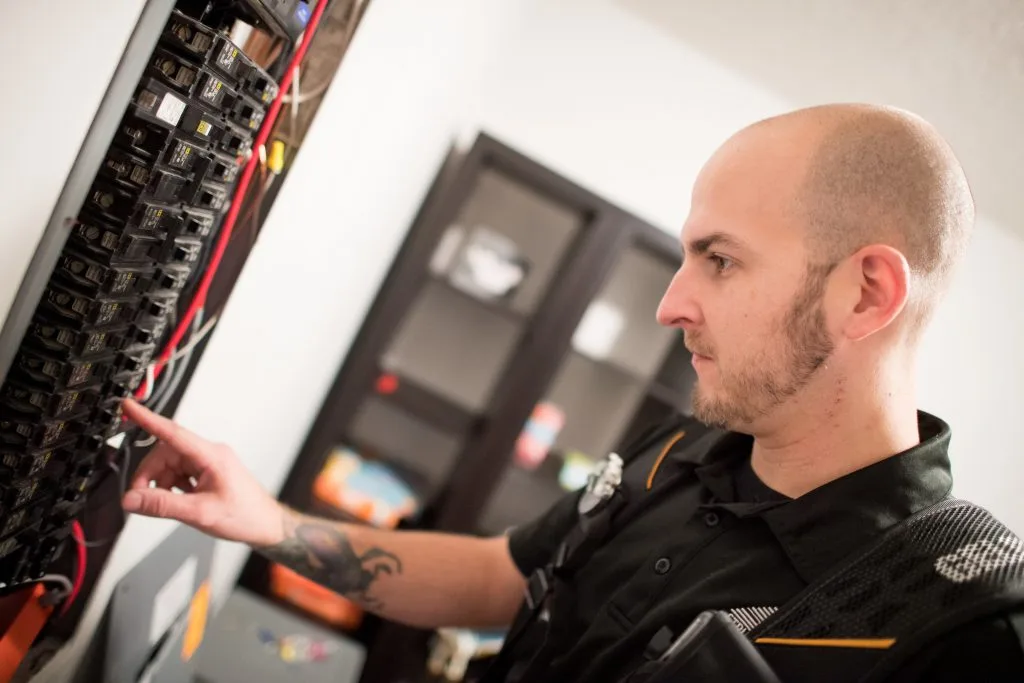
Introduction: Why Fall Prep Matters
In Chicago, fall isn’t just about football games, pumpkin spice, and crisp Lake Michigan breezes—it’s also the season to prepare your home for the harsh winter ahead. With freezing temperatures, heavy snow, and strong winds just around the corner, a little preventative maintenance now can save you thousands in repairs later.
As a licensed Chicago home inspector, I see firsthand how homes suffer when fall prep is skipped. From frozen pipes to roof leaks, these problems are preventable with a proactive approach. Here’s a detailed fall home maintenance checklist every homeowner should follow.
Exterior Maintenance
1. Inspect the Roof
Chicago winters are brutal on roofs. Before snow piles up, check for:
- Missing or damaged shingles.
- Worn flashing around chimneys and vents.
- Signs of sagging or water damage.
Tip: If you’re not comfortable climbing, use binoculars from the ground or hire a professional. Small roof repairs now prevent major leaks in January.
2. Clean Gutters and Downspouts
Clogged gutters cause water to back up and freeze, leading to ice dams—a common problem in Chicago bungalows and two-flats.
- Remove leaves and debris.
- Ensure downspouts direct water at least 5 feet away from the foundation.
- Consider adding gutter guards if trees surround your home.
3. Seal Windows and Doors
Drafty windows and doors mean higher heating bills.
- Check weatherstripping and replace worn pieces.
- Use caulk to seal gaps around frames.
- Install storm windows if your home has them.
Pro Tip: A thermal camera (used in inspections) quickly reveals where heat is escaping.
4. Prepare Decks and Patios
Chicago’s freeze-thaw cycles wreak havoc on wood decks and concrete patios.
- Sweep debris and clean surfaces.
- Seal wood decks with weatherproof coating.
- Check railings for stability.
5. Shut Off Exterior Faucets
Frozen pipes can burst and cause thousands in damage.
- Disconnect hoses.
- Drain spigots.
- If possible, shut off the water supply to outdoor faucets and use frost-proof covers.
Interior Maintenance
6. Service the Furnace
Heating season is coming fast. Schedule professional service to:
- Clean burners and filters.
- Check for carbon monoxide leaks.
- Ensure efficient operation.
Tip: Change furnace filters monthly during heavy use to keep air quality high.
7. Test Smoke and CO Detectors
With furnaces, fireplaces, and space heaters running, fall is prime season for carbon monoxide risks.
- Replace batteries.
- Install detectors on every level, especially near bedrooms.
8. Check the Fireplace and Chimney
If you have a wood-burning fireplace:
- Inspect for creosote buildup.
- Hire a chimney sweep if needed.
- Check the damper for proper function.
9. Add Insulation Where Needed
Heat loss is a major issue in older Chicago homes. Common weak spots include:
- Attics with less than R-38 insulation.
- Crawl spaces and rim joists.
- Around basement windows.
Adding insulation saves money all winter long.
10. Reverse Ceiling Fans
Switching fans to rotate clockwise helps push warm air down, improving comfort and efficiency.
Plumbing and Utility Maintenance
11. Protect Pipes from Freezing
- Insulate exposed pipes in basements, crawl spaces, and garages.
- Seal air leaks near plumbing.
- Keep cabinet doors open on extremely cold nights to allow warm air circulation.
12. Drain and Store Outdoor Equipment
- Drain garden hoses, fountains, and sprinklers.
- Store outdoor furniture to protect from snow damage.
13. Test the Sump Pump
Basement flooding is common during fall rainstorms.
- Pour a bucket of water into the pit to ensure the pump activates.
- Consider a battery backup for power outages.
Seasonal Safety Checks
14. Review Home Emergency Supplies
Prepare for winter storms with:
- Flashlights and batteries.
- Extra blankets.
- A stocked first-aid kit.
- Salt or ice melt for sidewalks.
15. Inspect Attic Ventilation
Proper airflow prevents ice dams and moisture buildup. Signs of poor ventilation include:
- Frost inside the attic.
- Mold or mildew on rafters.
- Warm spots on the roof where snow melts unevenly.
16. Schedule a Preventive Home Inspection
Even the most diligent DIY homeowner may overlook hidden issues. A fall inspection by a licensed Chicago home inspector can catch:
- Early signs of roof leaks.
- Inefficient HVAC performance.
- Foundation movement.
- Moisture intrusion in basements.
Neighborhood and Chicago-Specific Considerations
- Historic homes in Lincoln Park & Hyde Park: Older wiring, windows, and insulation often need attention.
- Two-flats in Logan Square or Humboldt Park: Flat roofs and parapet walls are vulnerable to water intrusion.
- Suburbs like Oak Park, Skokie, and Evanston: Mature trees mean extra gutter cleaning and yard prep.
Financial Benefits of Fall Maintenance
Investing a weekend in fall prep can save thousands:
- Roof repair now: $500–$1,000 vs. emergency leak repair: $5,000–$10,000.
- Furnace tune-up: $150–$300 vs. replacement: $4,000–$7,000.
- Gutter cleaning: $150–$250 vs. foundation repairs: $10,000+.
FAQs
How often should I do a seasonal home maintenance checklist?
At least twice a year: once in fall, once in spring.
Do new homes in Chicago need fall prep?
Yes. Even newer construction is vulnerable to drafts, frozen pipes, and ice dams.
Can I do this myself or should I hire pros?
Many tasks are DIY-friendly, but inspections, furnace service, and roof evaluations are best left to professionals.
Conclusion: Protect Your Home Before Winter Hits
Fall is Chicago’s transition season—a chance to button up your home before snow, ice, and freezing winds arrive. By following this checklist, you’ll:
- Lower energy bills.
- Reduce emergency repair risks.
- Keep your home safe, warm, and comfortable all winter.
For extra peace of mind, schedule a professional fall home inspection with Chicago Home Inspect LLC. We’ll make sure your home is ready to handle everything a Midwest winter can throw at it.