
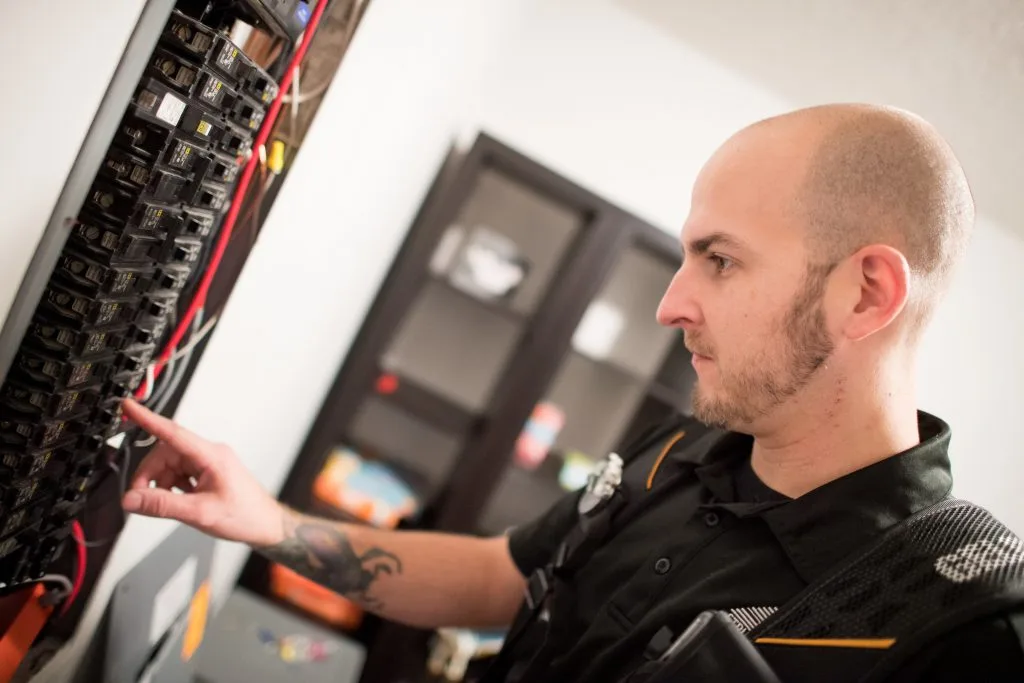
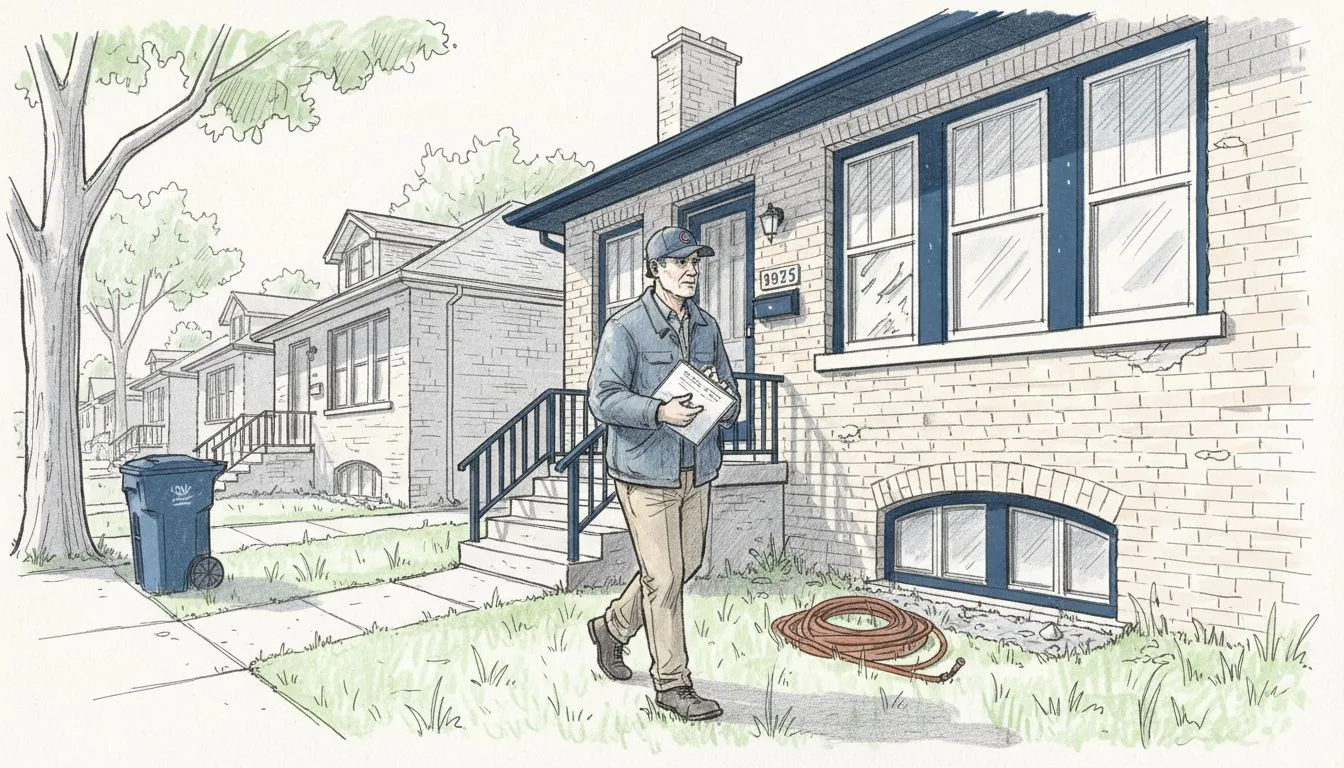
Buying your first vintage bungalow in Chicago can feel both exciting and daunting, especially when faced with myths about old home conditions and hidden repair costs. These historic homes hold unique architectural features that demand specific inspection expertise, from robust brickwork to original woodwork. This guide highlights the most important inspection focus areas and reveals how to distinguish between real structural concerns and common misconceptions for confident decision making.
Table of Contents
- Chicago Bungalow Inspection Basics And Myths
- Unique Features Of Vintage Bungalows
- Common Issues Found During Inspections
- Essential Safety And Code Requirements
- Typical Costs And How To Prepare
Chicago Bungalow Inspection Basics and Myths
Chicago bungalows represent a unique architectural treasure within the city’s residential landscape, embodying a distinct historical charm that requires specialized understanding during home inspections. These vintage structures, typically built between 1910 and 1940, demand careful assessment by professionals who recognize their distinctive construction techniques and potential vulnerabilities.
Home inspectors familiar with Chicago’s architectural heritage understand that bungalows aren’t just houses – they’re living historical documents with specific maintenance requirements. Chicago bungalow experts emphasize that these homes often feature unique structural characteristics that differ significantly from modern construction:
- Handcrafted masonry foundations
- Original wooden window frames
- Distinctive low-pitched rooflines
- Narrow lot configurations typical of early 20th-century urban planning
Many homebuyers harbor misconceptions about these classic dwellings. Structural integrity myths frequently circulate, suggesting that older bungalows are inherently problematic or require complete renovation. In reality, well-maintained Chicago bungalows can be remarkably resilient when properly inspected and cared for.
The most critical inspection areas for Chicago bungalows include foundation stability, moisture management, and historical structural elements. Inspectors must pay special attention to:
- Masonry wall condition
- Basement waterproofing
- Electrical system updates
- Roof and attic ventilation
- Original wooden infrastructure
Foundational concerns are particularly important in Chicago’s variable climate. The city’s clay-heavy soil and extreme temperature fluctuations can stress older building structures, making comprehensive foundation assessments crucial.
Bungalow inspections are not just about identifying problems, but understanding the home’s historical narrative and potential.
Pro tip: Always hire an inspector with specific experience in Chicago’s vintage residential architecture to ensure a comprehensive evaluation of your potential bungalow investment.
Unique Features of Vintage Bungalows
Chicago’s vintage bungalows stand as architectural time capsules, embodying a distinctive design philosophy that sets them apart from modern residential structures. Historic Chicago bungalow architecture reveals a remarkable blend of functionality and aesthetic elegance that has defined Chicago’s residential neighborhoods for decades.
The structural characteristics of these homes reflect a precise craftsmanship that modern construction often lacks. Typical features include:
- Robust brick masonry construction
- Low-pitched hip roofs with wide overhanging eaves
- Large, symmetrical front-facing windows
- Spacious front porches with decorative columns
- Carefully integrated design elements that maximize interior space
Architectural details in vintage bungalows demonstrate an extraordinary commitment to both form and function. The homes were strategically designed to address Chicago’s challenging climate, with architectural elements that provided natural insulation and weather resistance. Thermal efficiency was a key consideration, long before modern energy conservation became a priority.
Materials and construction techniques used in these homes were particularly noteworthy. Builders utilized high-quality, locally sourced materials that contributed to the structures’ remarkable durability. Key construction elements typically included:
- Solid brick exterior walls
- Heavy timber framing
- Hand-crafted woodwork
- Intricate masonry detailing
- Custom-fitted windows and doors
Each bungalow tells a story of Chicago’s architectural evolution, representing more than just a dwelling – it’s a piece of the city’s living history.
Pro tip: When purchasing a vintage bungalow, consult with restoration specialists who understand the nuanced architectural techniques of early 20th-century Chicago construction.
Here’s a concise summary of how vintage Chicago bungalows compare to modern homes in key structural areas:
| Structural Aspect | Vintage Chicago Bungalow | Modern Home Construction |
|---|---|---|
| Foundation Design | Handcrafted masonry, robust | Concrete slab or poured concrete |
| Window Frames | Original wood, custom-fitted | Vinyl or metal, mass-produced |
| Rooflines | Low-pitched, wide eaves | Variable designs, steeper pitch |
| Lot Configuration | Narrow urban lots | Wider suburban or urban layouts |
| Materials | High-quality, locally sourced | Mixed, often pre-fabricated |
| Architectural Detailing | Decorative columns, intricate | Minimal, streamlined |
Common Issues Found During Inspections
Chicago bungalow inspections reveal a predictable set of challenges that potential homebuyers must carefully understand before making their investment. Common residential inspection findings demonstrate that these vintage homes often require targeted attention to prevent long-term structural and functional problems.
The most frequent issues discovered during bungalow inspections typically involve critical home systems and structural elements:
- Foundation settling and masonry cracks
- Outdated electrical wiring
- Inefficient or aging HVAC systems
- Roof deterioration and water damage
- Inadequate insulation
- Plumbing system vulnerabilities
Structural integrity remains the primary concern for inspectors examining these historic properties. Chicago’s extreme temperature fluctuations and clay-heavy soil create unique challenges that can compromise a bungalow’s foundational stability. Inspectors meticulously examine load-bearing walls, basement conditions, and potential settlement indicators that might signal more significant underlying issues.
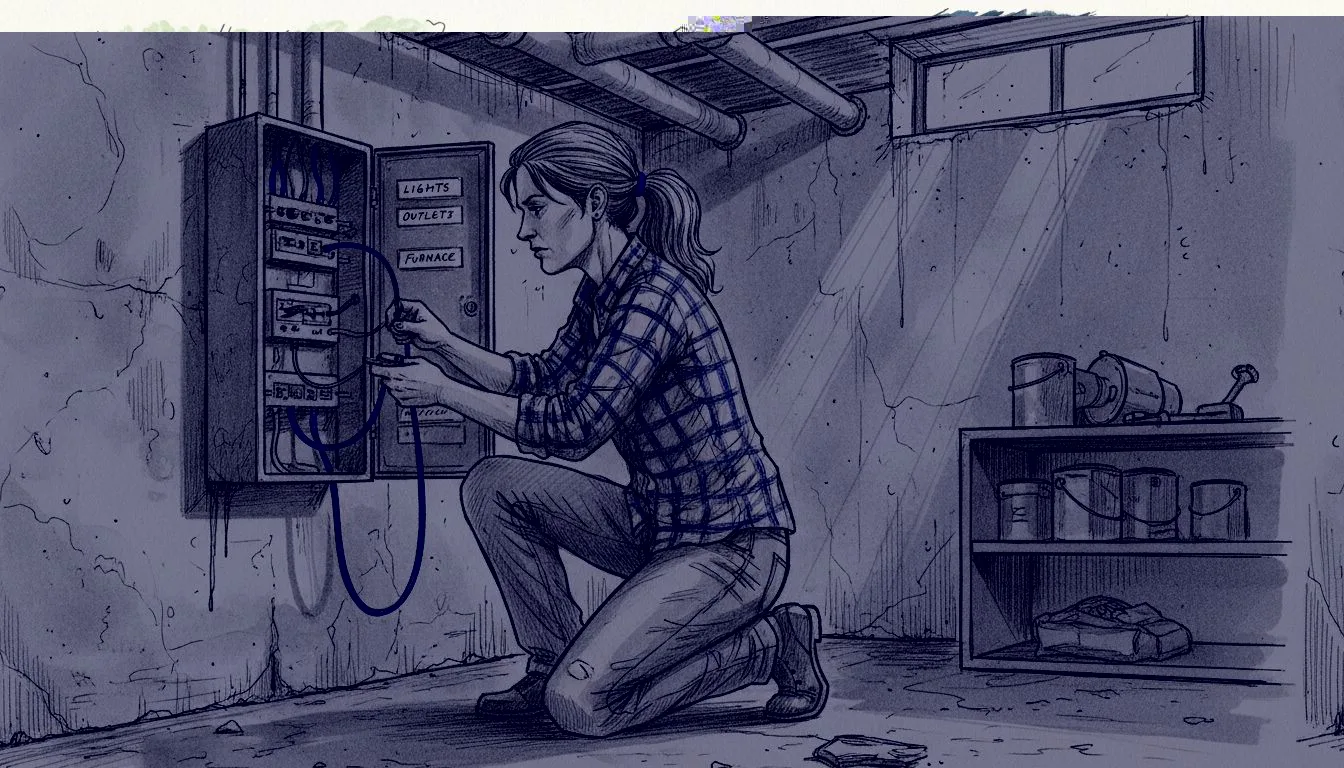
Electrical and mechanical systems in vintage bungalows frequently present substantial renovation requirements. Many homes built in the early 20th century feature antiquated wiring configurations that fall short of modern safety standards. Key electrical concerns include:
- Knob-and-tube wiring
- Insufficient amperage for contemporary appliances
- Lack of grounding mechanisms
- Deteriorated electrical panel components
- Non-compliant circuit configurations
Vintage bungalows are architectural treasures that require careful, informed maintenance to preserve their structural integrity and historical value.
Pro tip: Request a comprehensive electrical and structural assessment from inspectors who specialize in historic Chicago residential properties to uncover potential hidden issues.
Essential Safety and Code Requirements
Navigating the complex landscape of safety regulations requires a thorough understanding of Chicago building code standards. Vintage bungalows demand meticulous attention to ensure they meet contemporary safety and structural requirements, which can significantly impact both homeowner insurance and property value.
The most critical safety and code requirements for Chicago bungalows encompass several key areas:
- Electrical system modernization
- Structural integrity assessments
- Fire prevention and safety measures
- Ventilation and air quality standards
- Plumbing system compliance
- Energy efficiency upgrades
Electrical safety represents a paramount concern for vintage bungalow owners. Many historic homes feature outdated wiring systems that pose substantial fire risks and fail to support modern electrical loads. Inspectors typically evaluate:
- Circuit breaker capacity
- Grounding mechanisms
- Wire insulation condition
- Outlet and switch functionality
- Compliance with current electrical codes
Structural code requirements focus on ensuring the home’s fundamental stability and safety. Chicago’s stringent building regulations mandate comprehensive assessments of load-bearing walls, foundation conditions, and potential structural vulnerabilities. Homebuyers must understand that meeting these standards often requires targeted renovations and upgrades.
Safety codes are not obstacles, but critical protections designed to preserve both the structural integrity and inhabitant well-being of historic properties.
Pro tip: Engage a licensed inspector specializing in historic Chicago properties to conduct a comprehensive code compliance evaluation before finalizing your home purchase.
Typical Costs and How to Prepare
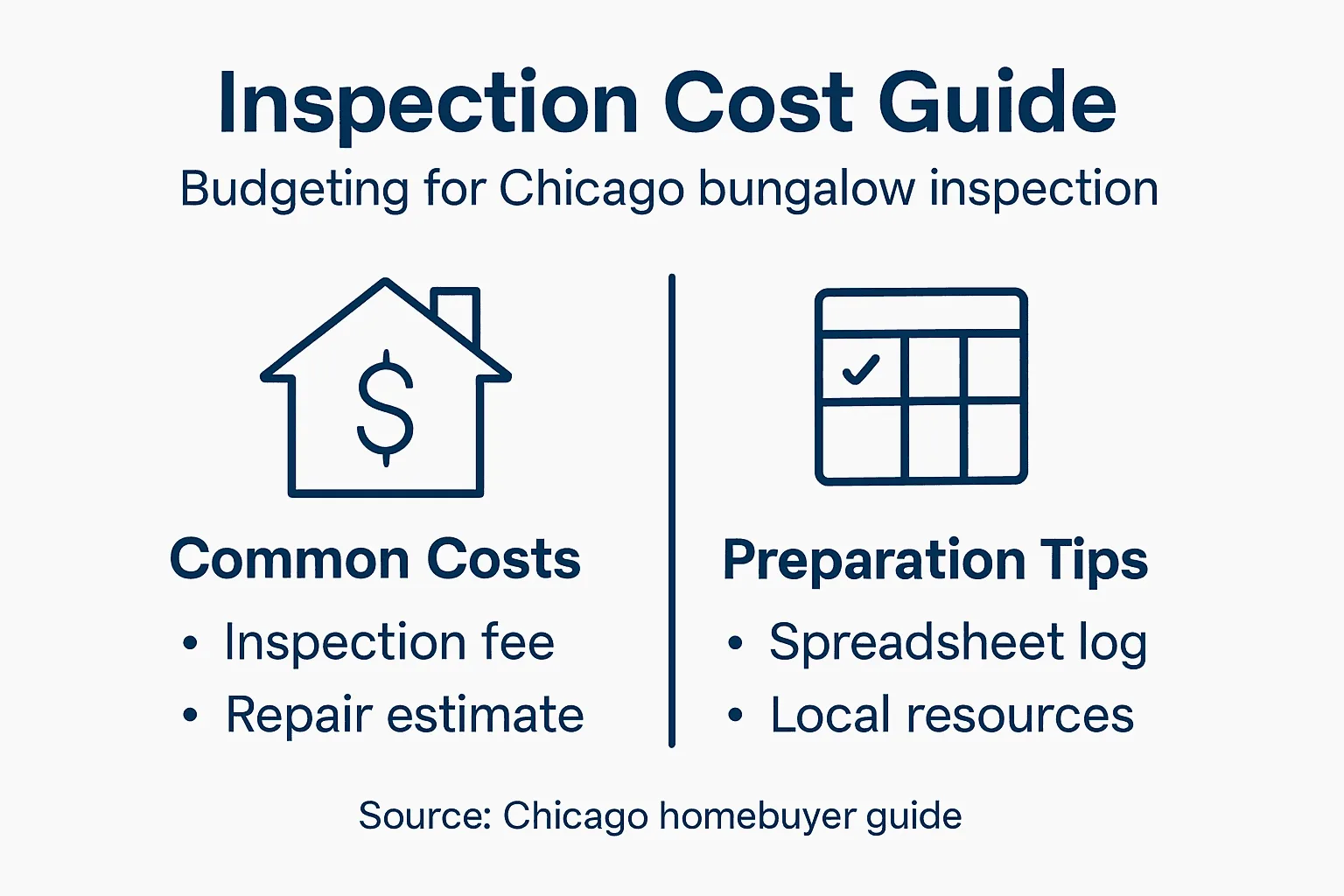
Understanding the financial landscape of Chicago bungalow ownership requires careful planning and realistic budgeting. Chicago permit and renovation costs can vary significantly depending on the home’s condition and required upgrades, making comprehensive financial preparation crucial for potential buyers.
Typical renovation and repair costs for vintage Chicago bungalows often include:
- Foundation repair: $5,000 – $25,000
- Electrical system upgrades: $3,000 – $15,000
- Roof replacement: $8,000 – $20,000
- Masonry restoration: $4,000 – $12,000
- Plumbing system updates: $2,500 – $10,000
- HVAC modernization: $6,000 – $15,000
Financial preparation involves more than just understanding potential repair costs. Prospective buyers should develop a comprehensive budget that accounts for both immediate and long-term maintenance requirements. Smart homeowners typically allocate:
- Initial inspection costs
- Emergency repair fund
- Ongoing maintenance budget
- Permit and compliance expenses
- Potential energy efficiency upgrades
The Chicago Bungalow Association recommends exploring various financial resources to offset renovation expenses. Many homeowners can access:
- Historic preservation grants
- Energy efficiency rebate programs
- Senior citizen renovation assistance
- Low-interest renovation loans
- Tax incentives for historic home restoration
Successful bungalow ownership requires viewing the home as an investment, not just a purchase.
Pro tip: Create a detailed spreadsheet tracking potential expenses and research available financial assistance programs before making your final purchase decision.
To assist with budgeting, here’s a quick reference of typical costs, financial planning actions, and helpful resources:
| Expense Type | Estimated Cost Range | Preparation Tip | Resource Example |
|---|---|---|---|
| Foundation Repair | $5,000 – $25,000 | Save an emergency fund | Historic grant programs |
| Electrical Upgrade | $3,000 – $15,000 | Get inspection quotes | Energy rebate programs |
| Roof Replacement | $8,000 – $20,000 | Plan for periodic updates | Low-interest loans |
| Masonry Restoration | $4,000 – $12,000 | Set aside for aging brick | Tax incentives |
Ensure Your Chicago Bungalow is Inspected by Experts Who Understand Its Unique Challenges
Buying a Chicago bungalow means embracing a home rich in history and unique architectural features. However, the specialized construction elements like handcrafted masonry foundations and original wooden frames require a detailed and knowledgeable inspection to uncover hidden issues such as foundation settling or outdated electrical wiring. Protect your investment and avoid costly surprises by choosing professional inspectors who are familiar with the distinctive needs of these vintage homes.
Start with a thorough Buyer Pre-Purchase Inspection tailored to Chicago bungalows to evaluate critical areas including structural integrity, electrical safety, and moisture concerns. Don’t wait until problems arise—schedule your inspection now at Chicago Home Inspector where licensed, insured, and InterNACHI certified experts are ready to help you confidently navigate your bungalow purchase with weekend availability and detailed reporting. Secure your home’s future by booking today.
Frequently Asked Questions
What are the most common issues found during a Chicago bungalow inspection?
Common issues include foundation settling, outdated electrical wiring, HVAC system inefficiencies, roof deterioration, inadequate insulation, and plumbing vulnerabilities.
How important is it to hire an inspector experienced with Chicago bungalows?
Hiring an inspector experienced in Chicago’s vintage homes is crucial, as they are familiar with unique structural characteristics and potential vulnerabilities that standard inspectors may overlook.
What specific areas should an inspector pay attention to in a Chicago bungalow?
Inspectors should focus on the condition of masonry walls, basement waterproofing, electrical system updates, roof and attic ventilation, and original wooden infrastructure during an inspection.
What are the typical costs associated with renovating a vintage Chicago bungalow?
Typical renovation costs can range from $5,000 to $25,000 for foundation repairs, $3,000 to $15,000 for electrical upgrades, and $8,000 to $20,000 for roof replacements, among other expenses.
Recommended
- What Do Home Inspectors Actually Look For? | Chicago Home Inspect LLC
- 7 Essential Steps for Your Home Inspection Checklist | Chicago Home Inspect LLC
- What’s Included in a Home Inspection
- Most Overlooked Defects Found in Chicago Home Inspections
- Architecture Site Analysis | 3D Cityplanner
- Waarom groepenkast inspecteren voor veiligheid en zekerheid – Holland Electric Duurzaam