home-inspector-inspecting-service-panel

Can Hear Water Running But Can’t Find the Leak? Here’s What to Do

You’re sitting in your living room when you hear it – the sound of water running somewhere in your house. You check all the faucets, look under sinks, and peek at your toilets, but everything looks normal. Yet that annoying sound of running water continues. Don’t panic – this is more common than you think, and there are ways to track down these sneaky leaks.

Why This Happens More Often Than You’d Think

Hidden water leaks are frustrating because water can travel far from where it starts leaking to where you actually hear it. Water follows gravity and the path of least resistance, so it might leak from a pipe in your wall but show up as a sound in your basement or a completely different room.

Your home’s plumbing system is like a network of highways behind your walls, under your floors, and above your ceilings. When there’s a leak somewhere in this network, the sound can echo through pipes, travel along wooden beams, or bounce off surfaces before reaching your ears.

Modern homes also have more complex plumbing systems than older homes. We have more appliances connected to water lines, more bathrooms, and more places where leaks can hide. This makes mysterious water sounds even more common.

Start With the Obvious Places

Before you start tearing apart walls, check the most common sources of phantom water sounds:

Toilets: This is the number one culprit. A toilet that’s running constantly might not be obvious if the sound is quiet. Lift the tank lid and see if water is flowing from the tank into the bowl. Even a small trickle can create a running water sound that travels through your pipes.

Faucets and Showerheads: Check every faucet in your house, including outdoor spigots. Sometimes a faucet that looks turned off might have a worn washer that lets a tiny bit of water through. Also check showerheads – they can drip inside the wall where you can’t see it.

Water Heater: Your water heater has several connections where leaks can start. Check around the base for puddles and listen near the unit. Sometimes you’ll hear water heating up, which is normal, but you might also hear dripping or running water that shouldn’t be there.

Washing Machine: Check the hoses behind your washing machine. These can develop small leaks that create running water sounds. Also check the drain hose to make sure it’s properly connected.

Dishwasher: Look under your dishwasher for signs of water. Sometimes these appliances develop leaks that you can hear but can’t see because they’re hidden under the unit.

The Water Meter Test

Here’s a simple test that can tell you if you really have a leak or if the sound is coming from something else:

First, turn off all water-using appliances and faucets in your house. This includes your ice maker, washing machine, and dishwasher. Make sure no one flushes toilets or uses water while you do this test.

Go to your water meter, which is usually near the street or where the water line enters your property. Look for a small triangle, star, or wheel that spins when water flows through the meter. If this indicator is moving even though all your water is turned off, you definitely have a leak somewhere.

Write down the numbers on your meter, then wait an hour without using any water. Check the meter again. If the numbers changed, water is flowing somewhere in your system even though you’re not using any.

Listening Techniques That Work

Sound travels in predictable ways through your house. Here are some tricks to help you track down the source:

Follow the Sound: Start where the sound is loudest and work your way around your house. The sound will get quieter as you move away from the source. Pay attention to walls, floors, and ceilings.

Use a Stethoscope: A cheap stethoscope from a pharmacy can help you pinpoint sounds inside walls. Place the chest piece against different spots on the wall and listen for running water sounds.

Check at Different Times: Some leaks are more noticeable at certain times. Try listening early in the morning when your neighborhood is quiet, or late at night when there’s less background noise.

Turn Off Your Main Water: If you can safely turn off the main water supply to your house, do it and see if the sound stops. If it does, you know the leak is in your plumbing system. If it doesn’t, the sound might be coming from outside your house.

Hidden Places Where Leaks Love to Hide

Inside Walls: Pipes run through walls all over your house. A small leak inside a wall can create a running water sound that’s hard to locate. Look for signs like peeling paint, soft spots in drywall, or musty smells.

Under Slabs: If your house is built on a concrete slab, pipes run underneath it. Slab leaks are tricky because you might hear water but never see it. Signs include hot spots on your floor, high water bills, and the sound of running water when all your fixtures are off.

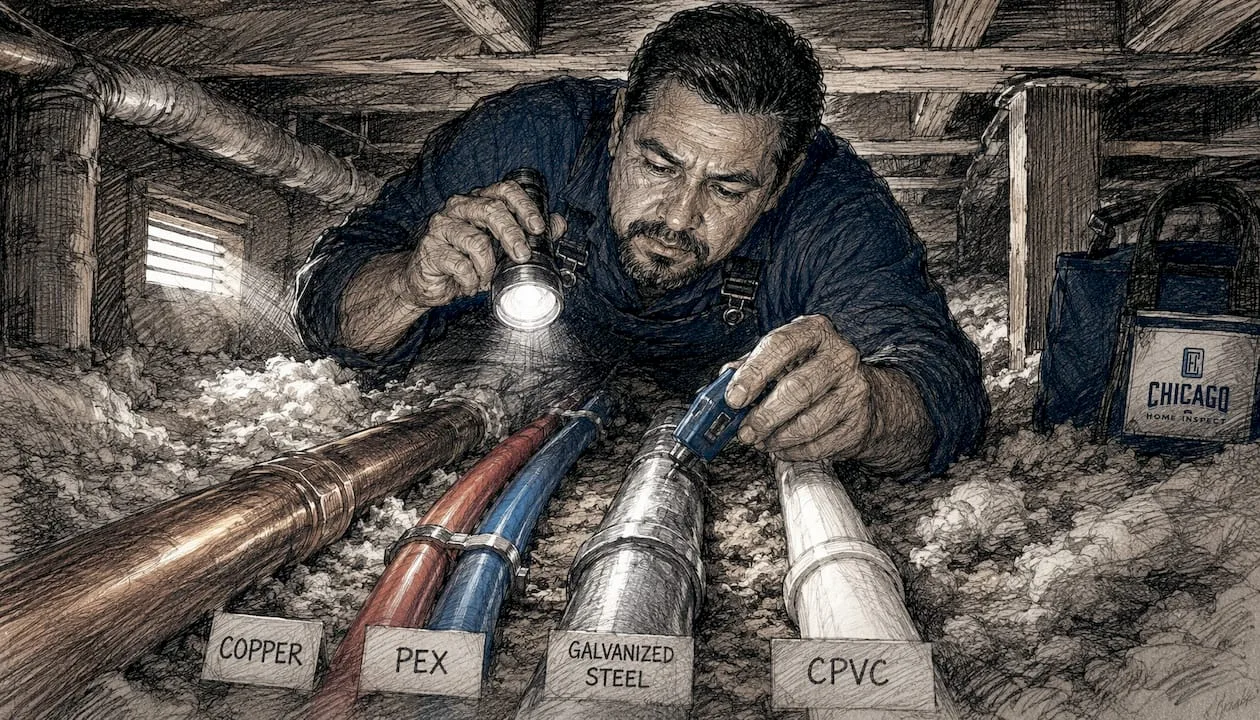
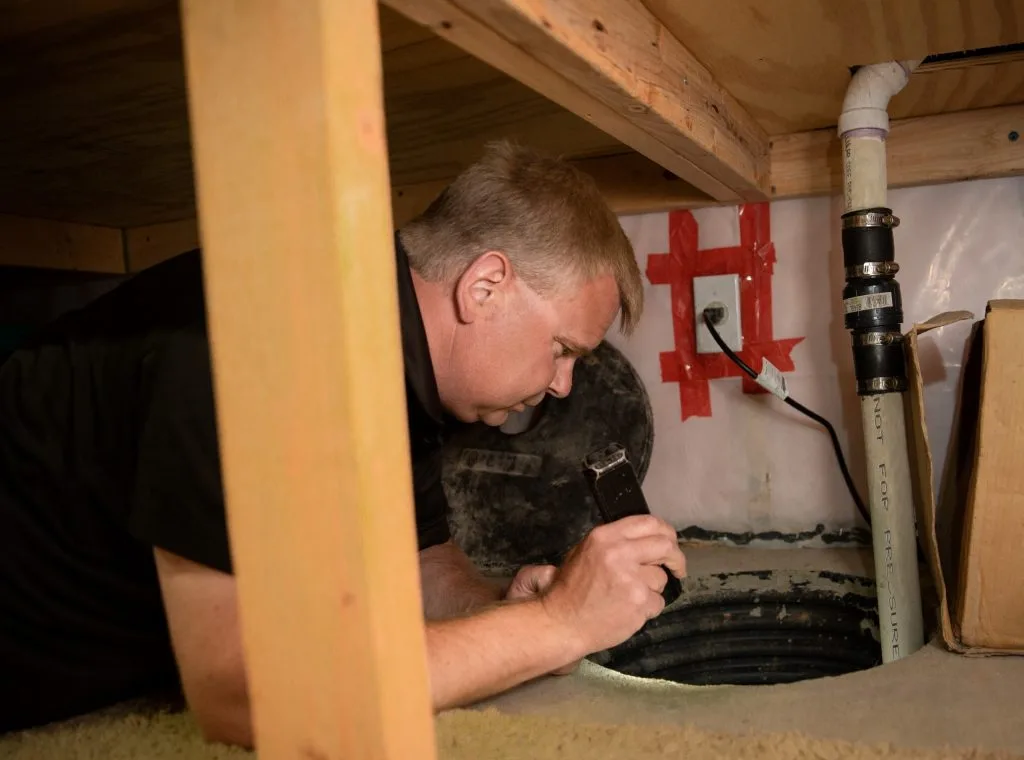
In Crawl Spaces: If your house has a crawl space, grab a flashlight and take a look. Check for dripping water, wet insulation, or puddles. The sound you hear upstairs might be coming from a leak down below.

Behind Appliances: Water lines run to your refrigerator, washing machine, and other appliances. These connections can develop leaks that create running water sounds but are hidden behind or under the appliances.

In the Attic: Hot water lines often run through attics. A small leak up there can create sounds that travel down through your walls.

When the Leak Isn’t in Your House

Sometimes the running water sound you hear isn’t coming from inside your house at all:

Neighbor’s Plumbing: In apartments or closely built houses, you might hear your neighbor’s plumbing. Their toilet running or shower dripping could be what you’re hearing.

Underground Pipes: Water mains and sewer lines run under streets and can develop leaks. If there’s a leak in the street near your house, you might hear it inside.

Irrigation Systems: Sprinkler systems can develop leaks that create running water sounds. Check your yard for soggy spots or unusually green patches of grass.

Signs That Point to Specific Problems

Different types of leaks create different clues:

Constant Running Sound: This usually points to a toilet that won’t stop filling or a faucet with a bad washer.

Intermittent Sounds: If the sound comes and goes, it might be your ice maker, a toilet that fills randomly, or an appliance with a water line problem.

Gurgling Sounds: This often means there’s a drain problem or air in your water lines.

High-Pitched Sounds: These usually indicate high water pressure or a partially closed valve somewhere.

Tools That Can Help

You don’t need expensive equipment to find most leaks:

Flashlight: Essential for looking in dark spaces like crawl areas and behind appliances.

Stethoscope: Helps you hear sounds inside walls and pipes.

Food Coloring: Put a few drops in your toilet tank. If it shows up in the bowl without flushing, your toilet is leaking.

Camera Phone: Use the camera to look behind appliances or in tight spaces you can’t see into easily.

When to Call a Professional

Some leak detection jobs are best left to professionals:

If You Suspect a Slab Leak: These require special equipment to locate and can cause serious damage if not fixed properly.

When You Can’t Turn Off the Water: If you can’t find your main water shutoff or it won’t work, call a plumber before the problem gets worse.

If You See Signs of Major Damage: Water stains on walls, sagging ceilings, or buckled floors mean you need professional help right away.

When the Sound Persists: If you’ve checked everything obvious and still hear running water, a plumber has tools and experience to find hidden leaks.

Preventing Future Mystery Leaks

Know Your Plumbing: Learn where your main water shutoff is and how to turn off water to individual fixtures.

Regular Inspections: Check under sinks, around toilets, and behind appliances every few months.

Replace Old Parts: Don’t wait for toilet flappers, faucet washers, and appliance hoses to fail completely.

Monitor Your Water Bill: A sudden increase in your water bill often means you have a leak somewhere.

The Bottom Line

Hearing water running when you can’t find a leak is frustrating, but it’s a problem you can solve. Start with the obvious places like toilets and faucets, use simple tests like checking your water meter, and follow the sound to track down the source.

Remember that small leaks can become big problems quickly. Even if you can’t see water damage yet, a hidden leak can cause expensive problems over time. Don’t ignore that running water sound – your house and your wallet will thank you for tracking it down and fixing it promptly.

Most mystery water leaks turn out to have simple explanations and affordable fixes. With a little detective work and patience, you’ll likely solve the mystery and restore peace and quiet to your home.