

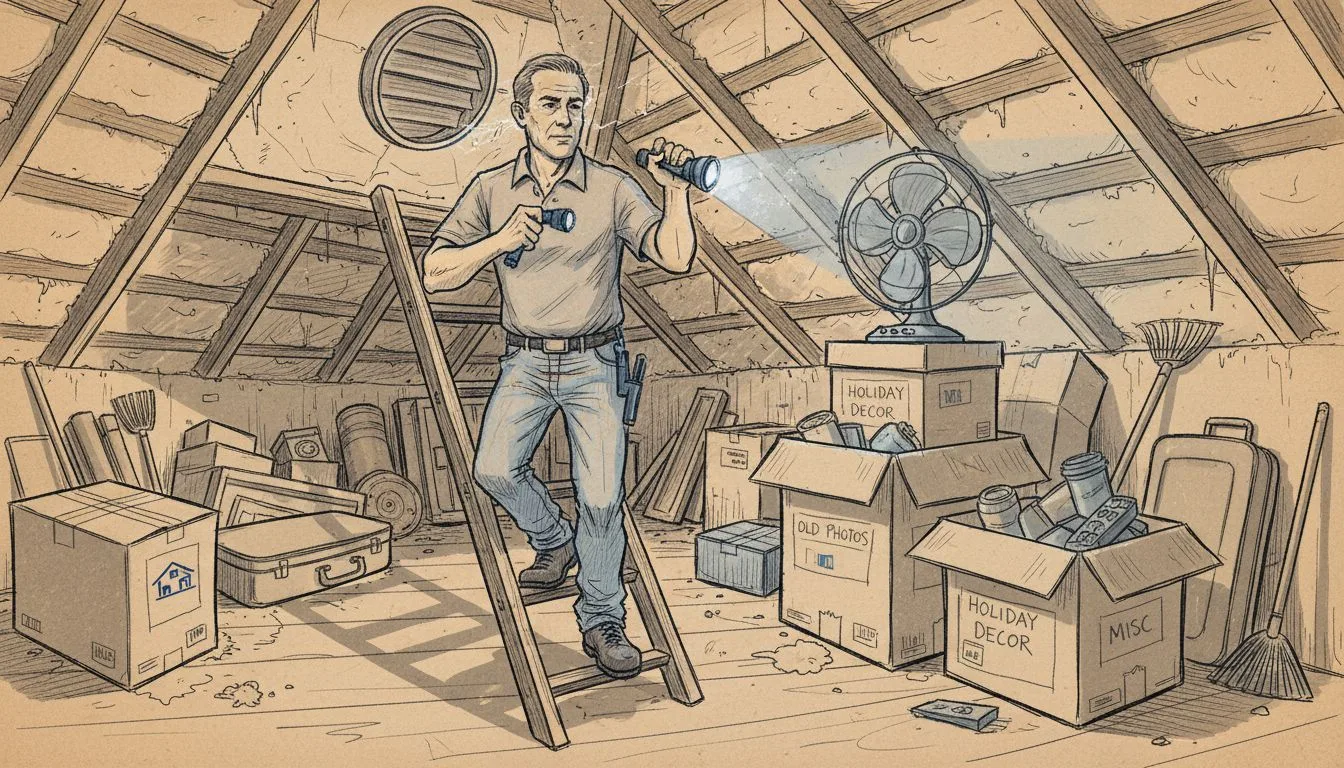
Most American homeowners in the Chicago area underestimate how critical attic ventilation is for protecting their investment. Nearly forty percent of attic mold cases start with poor airflow, costing thousands in repairs. With Chicago’s climate bringing extreme temperatures and humidity, DIY enthusiasts need strategies that keep energy bills in check while preventing mold during home renovations. This guide demystifies common myths and shows how to create an attic ventilation system that truly works for American homes in challenging conditions.
Table of Contents
- Attic Ventilation Basics And Common Myths
- Types Of Attic Vents And Airflow Systems
- Chicago Climate Impact On Attic Ventilation
- DIY Installation And Maintenance Tips
- Energy Efficiency And Mold Prevention Strategies
- Common Mistakes And How To Avoid Them
Attic ventilation basics and common myths
Attic ventilation is more than just a technical detail—it’s a critical system that protects your Chicago home from moisture damage, energy inefficiency, and potential structural issues. Understanding how proper airflow works can save homeowners significant money and prevent long-term problems. Unlike what many people assume, attic ventilation isn’t about creating random air movement, but establishing a strategic, balanced system that manages heat and moisture effectively.
The fundamental principle of attic ventilation centers on creating a continuous airflow that removes heat and moisture from the roof’s underside. Proper roof ventilation prevents multiple problems like ice damming, shingle degradation, and mold growth. This process typically involves two key components: intake vents (usually located at the soffit or eaves) and exhaust vents (positioned near the roof’s peak). The goal is to maintain consistent temperature and humidity levels, preventing heat buildup during summer and moisture accumulation during winter.
Common myths about attic ventilation can lead homeowners to make costly mistakes. One widespread misconception is that more ventilation always equals better performance. In reality, balanced ventilation matters more than volume. Another myth suggests that roof color dramatically impacts ventilation needs—while color can influence heat absorption, proper ventilation design matters significantly more. Mechanical solutions like attic fans are often misunderstood; they aren’t universal solutions and can sometimes create more problems by disrupting natural airflow patterns or pulling conditioned air from living spaces.
Pro tip: Schedule a professional attic ventilation assessment during your annual home inspection to catch potential issues before they become expensive repairs.
Types of attic vents and airflow systems
Attic ventilation systems are complex networks designed to manage airflow, temperature, and moisture in your home’s uppermost space. Understanding the various types of vents and how they work together is crucial for maintaining a healthy, energy-efficient home. Net Free Vent Area (NFVA) plays a critical role in determining the effectiveness of these systems, measuring the actual open area that allows air movement.
Two primary categories of attic vents exist: intake vents and exhaust vents. Intake vents, typically installed along the soffit or eaves, allow cooler outside air to enter the attic space. Common intake vent types include continuous soffit vents, individual soffit vents, and gable-end vents. Exhaust vents, positioned near the roof’s peak, enable hot air and moisture to escape. These include ridge vents, static box vents, turbine vents, and powered electric attic fans. The key is creating a balanced system where the volume of intake and exhaust vents matches precisely, ensuring consistent airflow throughout the attic space.
Specialized vent types address specific challenges in Chicago’s variable climate. For instance, ridge vents provide continuous ventilation along the entire roof peak, while roof turbine vents use wind power to extract hot air. Importantly, these systems require strategic placement and proper screening to prevent pest intrusion and maintain home safety. Homeowners should consider factors like roof pitch, local weather conditions, and home architecture when selecting their ventilation approach. Baffles—important components that prevent insulation from blocking airflow—can be installed to maintain clear ventilation paths and optimize the system’s performance.
Here’s a comparison of common attic vent types and their unique advantages:
| Vent Type | Location | Ideal For | Benefit Highlight |
|---|---|---|---|
| Ridge Vent | Roof peak | Continuous ventilation | Even airflow across entire attic |
| Soffit Vent | Eaves/soffit area | Intake for all attics | Allows cool air entry |
| Gable-End Vent | Gable wall | Gable roofs | Targeted airflow for older homes |
| Turbine Vent | Roof surface | Windy regions | Uses wind to boost air movement |
| Static Box Vent | Near roof peak | Simple exhaust solution | Low moving parts, minimal noise |
| Powered Attic Fan | Roof or gable mount | High heat/moisture load | Moves large volume, requires power |
Pro tip: Consult a professional home inspector to perform a comprehensive attic ventilation assessment, ensuring your specific home’s unique structural characteristics are properly addressed.
Chicago climate impact on attic ventilation
Chicago’s unique climate presents distinctive challenges for attic ventilation systems, requiring homeowners to develop strategic approaches that address both extreme summer heat and brutally cold winters. The city’s urban heat island effect significantly impacts home energy management, with urban areas experiencing temperatures several degrees higher than surrounding regions. This temperature variation means Chicago homes must have robust ventilation systems that can handle rapid and dramatic climate shifts.
During Chicago’s sweltering summers, attic temperatures can soar to over 150 degrees Fahrenheit without proper ventilation. These extreme conditions demand a carefully balanced ventilation approach that allows heat to escape quickly while preventing moisture buildup. Conversely, the city’s frigid winters introduce an entirely different set of challenges, including the potential for ice damming—a phenomenon where heat escaping from the attic melts snow on the roof, which then refreezes at the eaves, causing significant structural damage. Proper ventilation becomes crucial in mitigating these temperature-related risks, helping to maintain a consistent attic environment that protects both the roof structure and the home’s overall energy efficiency.
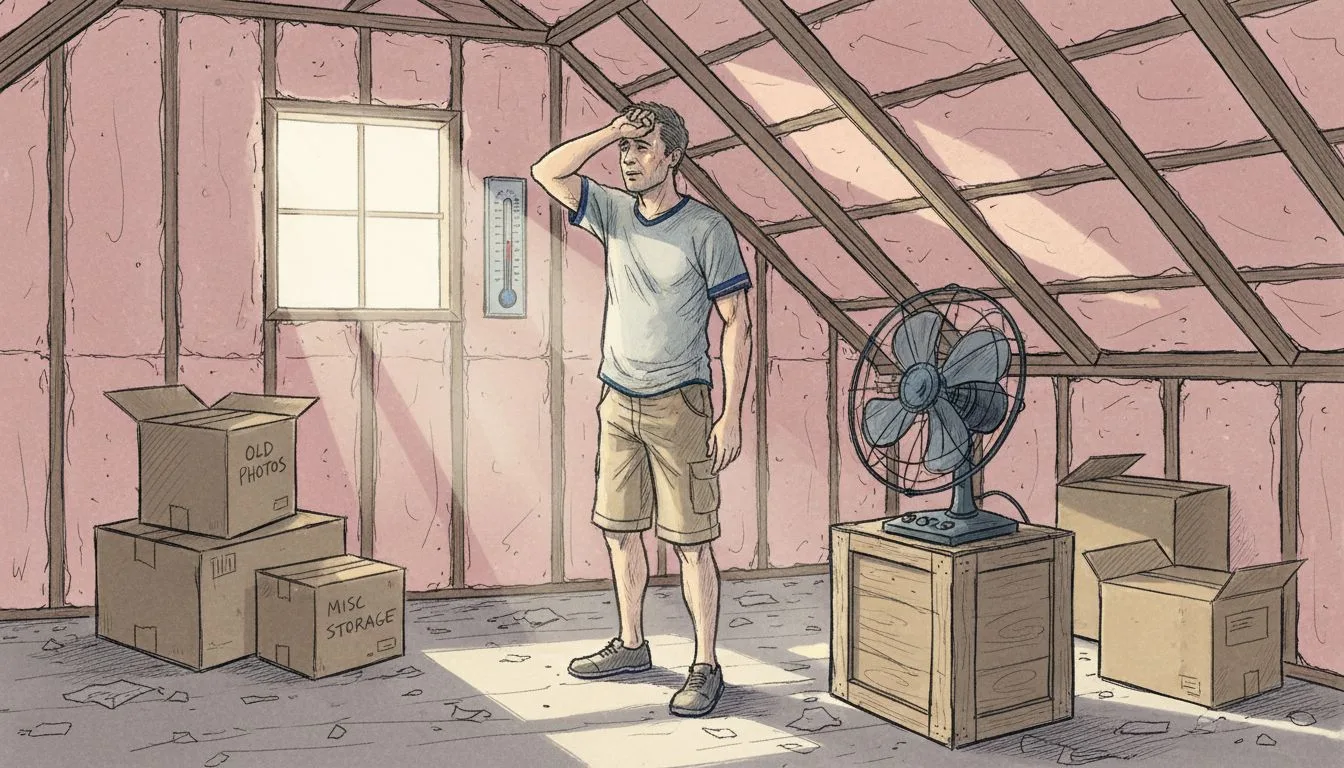
Homeowners in Chicago must consider multiple factors when designing their attic ventilation system. The proximity to Lake Michigan creates additional humidity challenges, making moisture control an essential component of any ventilation strategy. Wind patterns, neighborhood building density, and individual home architecture all play critical roles in determining the most effective ventilation approach. Ridge vents, soffit vents, and strategically placed exhaust systems can help manage the complex interplay of temperature and moisture that characterizes Chicago’s demanding climate.
This summary shows how Chicago’s climate affects attic ventilation strategy:
| Season | Challenge | Suggested Solution | Key Benefit |
|---|---|---|---|
| Summer | Extreme attic heat | Balanced intake/exhaust | Prevents heat buildup |
| Winter | Ice damming risk | Air sealing and ventilation | Reduces moisture and dams |
| Year-Round | High humidity from lake | Humidity control measures | Inhibits mold, keeps dry |
Pro tip: Schedule a professional attic inspection before the start of each extreme season to ensure your ventilation system is optimized for Chicago’s unique climate conditions.
DIY installation and maintenance tips
Successful attic ventilation requires careful planning and precise execution. Understanding the basics of DIY installation begins with recognizing that proper airflow is more than just adding a few vents. Baffle installation techniques are critical for maintaining clear ventilation paths and preventing insulation from blocking critical airflow routes. Homeowners must approach this project methodically, ensuring each step is completed with precision to avoid common pitfalls that can compromise the entire ventilation system.
The installation process involves several key steps. First, conduct a thorough inspection of your existing attic space, measuring and mapping out current ventilation points. Choose appropriate vent types based on your roof’s specific configuration—ridge vents, soffit vents, and gable vents each serve unique purposes. When installing intake vents, ensure they are positioned to allow cool air to enter the attic space, while exhaust vents should be placed near the roof’s peak to enable hot air to escape. Pay special attention to creating a balanced system where intake and exhaust vents work in harmony, typically following the 1:1 or 2:1 ratio recommended by most building experts.
Maintenance is equally crucial in keeping your attic ventilation system functioning optimally. Seasonal inspections should become a regular part of your home care routine. Check for any blocked vents, damaged screens, or signs of moisture accumulation. Clear away debris, inspect for potential pest entry points, and ensure that insulation has not shifted to block critical airflow paths. During winter, watch for signs of ice damming, and in summer, monitor attic temperatures to confirm your ventilation system is effectively managing heat buildup. Homeowners should also be prepared to replace worn components, clean vents annually, and address any signs of moisture or potential mold growth immediately.
Pro tip: Invest in a digital thermometer to monitor your attic’s temperature throughout the year, helping you quickly identify potential ventilation issues before they become costly problems.
Energy efficiency and mold prevention strategies
Addressing energy efficiency and mold prevention requires a comprehensive approach to attic ventilation that goes beyond simple airflow management. Energy efficiency retrofits play a crucial role in creating a healthy, sustainable home environment by reducing moisture accumulation and preventing potential structural damage. Homeowners must understand that effective ventilation is not just about temperature control, but about creating a balanced ecosystem that protects both the building structure and indoor air quality.
The key to successful mold prevention lies in controlling moisture through strategic ventilation and insulation techniques. This involves creating a multi-layered defense that starts with proper air sealing to prevent moisture intrusion, followed by installing appropriate insulation that allows for consistent airflow. Homeowners should focus on maintaining a relative humidity level between 30% and 50% in the attic space, which effectively inhibits mold growth while supporting overall energy efficiency. Implementing solutions like ridge vents, soffit vents, and carefully placed exhaust systems can help regulate temperature and moisture, reducing the likelihood of condensation and mold formation.
Technological advancements have made energy-efficient mold prevention more accessible than ever. Consider installing humidity sensors, using reflective insulation materials, and implementing smart ventilation systems that automatically adjust airflow based on temperature and moisture levels. Regular maintenance is critical—this includes checking for any signs of moisture buildup, ensuring vents remain unobstructed, and conducting periodic inspections to identify potential problem areas before they escalate. By taking a proactive approach, homeowners can significantly reduce energy costs, prevent structural damage, and maintain a healthier indoor environment.
Pro tip: Invest in a digital hygrometer to monitor your attic’s humidity levels, allowing you to catch potential moisture issues before they develop into costly mold problems.
Common mistakes and how to avoid them
Homeowners often underestimate the complexity of attic ventilation, leading to costly mistakes that can compromise their home’s structural integrity. Common attic ventilation errors range from seemingly minor oversights to significant design flaws that can result in long-term damage. Understanding these pitfalls is crucial for maintaining a healthy, energy-efficient home environment.
One of the most frequent mistakes is creating an unbalanced ventilation system. Homeowners often install exhaust vents without considering the critical balance between intake and exhaust airflow. This imbalance can lead to moisture buildup, reduced energy efficiency, and potential structural damage. Many DIY enthusiasts mistakenly block soffit vents with insulation, effectively cutting off the primary source of cool air intake. Another critical error involves mixing different types of exhaust vents, which can create short-circuiting in the ventilation system, dramatically reducing its overall effectiveness.
To avoid these common pitfalls, homeowners should adopt a systematic approach to attic ventilation. Begin with a comprehensive assessment of your existing system, carefully measuring and mapping current ventilation points. Ensure a proper 1:1 or 2:1 ratio between intake and exhaust vents, and use baffles to maintain clear airflow paths between insulation and roof decking. Pay special attention to soffit vents, keeping them completely unobstructed. Consider consulting a professional home inspector who can provide a detailed evaluation of your specific attic ventilation needs and identify potential issues before they become expensive problems.
Pro tip: Perform a visual inspection of your attic vents during each seasonal change, checking for any blockages, damage, or signs of moisture accumulation that could compromise your ventilation system.
Protect Your Chicago Home with Expert Attic Ventilation Inspections
Proper attic ventilation is essential to avoid costly energy loss and prevent dangerous mold growth as highlighted in the article. If you are dealing with challenges like unbalanced airflow, moisture buildup, or worries about ice damming during harsh Chicago winters, our professional home inspection services are designed to give you peace of mind. We understand how crucial terms like ridge vents, soffit vents, and humidity control are to maintaining a healthy attic environment and ensuring your home’s structural integrity.
Take control of your home’s comfort and safety by scheduling a thorough attic ventilation assessment with our licensed and insured team. Whether you need a Yearly Home Checkup or specialized Mold Testing, we provide detailed inspections tailored to Chicago area homes and suburbs. Don’t wait until small issues become expensive repairs. Visit Home Inspection Services now and book your appointment to secure your home’s energy efficiency and mold-free future.
Frequently Asked Questions
What is attic ventilation and why is it important?
Attic ventilation is the process of allowing air to flow in and out of your attic space, which helps manage heat and moisture levels. Proper ventilation prevents issues like mold growth, energy inefficiency, and structural damage caused by excess heat or moisture.
How does attic ventilation affect energy efficiency?
Effective attic ventilation helps to regulate temperatures within your home, reducing the reliance on heating and cooling systems. This balance can significantly lower energy bills and improve overall comfort by preventing heat buildup in the summer and reducing moisture accumulation in the winter.
What are the main types of attic vents?
The two primary types of attic vents are intake vents and exhaust vents. Intake vents allow cooler outside air to enter, while exhaust vents enable hot air to escape. Common types include ridge vents, soffit vents, gable-end vents, and powered attic fans, each serving specific ventilation needs.
How can I prevent mold growth in my attic?
To prevent mold growth, maintain a well-balanced ventilation system that regulates humidity levels between 30% and 50%. Additionally, ensure proper insulation and air sealing to prevent moisture infiltration, and regularly inspect the attic for any signs of water damage or leaks.